Rodent Shield Santa Barbara
Rats in Attic Santa Barbara, CA — Removal & Cleanup
Serving the Mesa • Riviera • Eastside • Montecito. Hearing noises above your ceiling? We remove the rats, seal the roofline gaps and clean up the attic. Same-day or next-day visits are often available.
Santa Barbara rodent control
Scratching in the Attic at Night: What Is Making the Noise?
Scratching in the attic at night usually means rats. Roof rats and mice are most active after dark, when the house gets quiet. You may hear running, scratching, squeaks or rolling sounds. Daytime noise is more often squirrels.
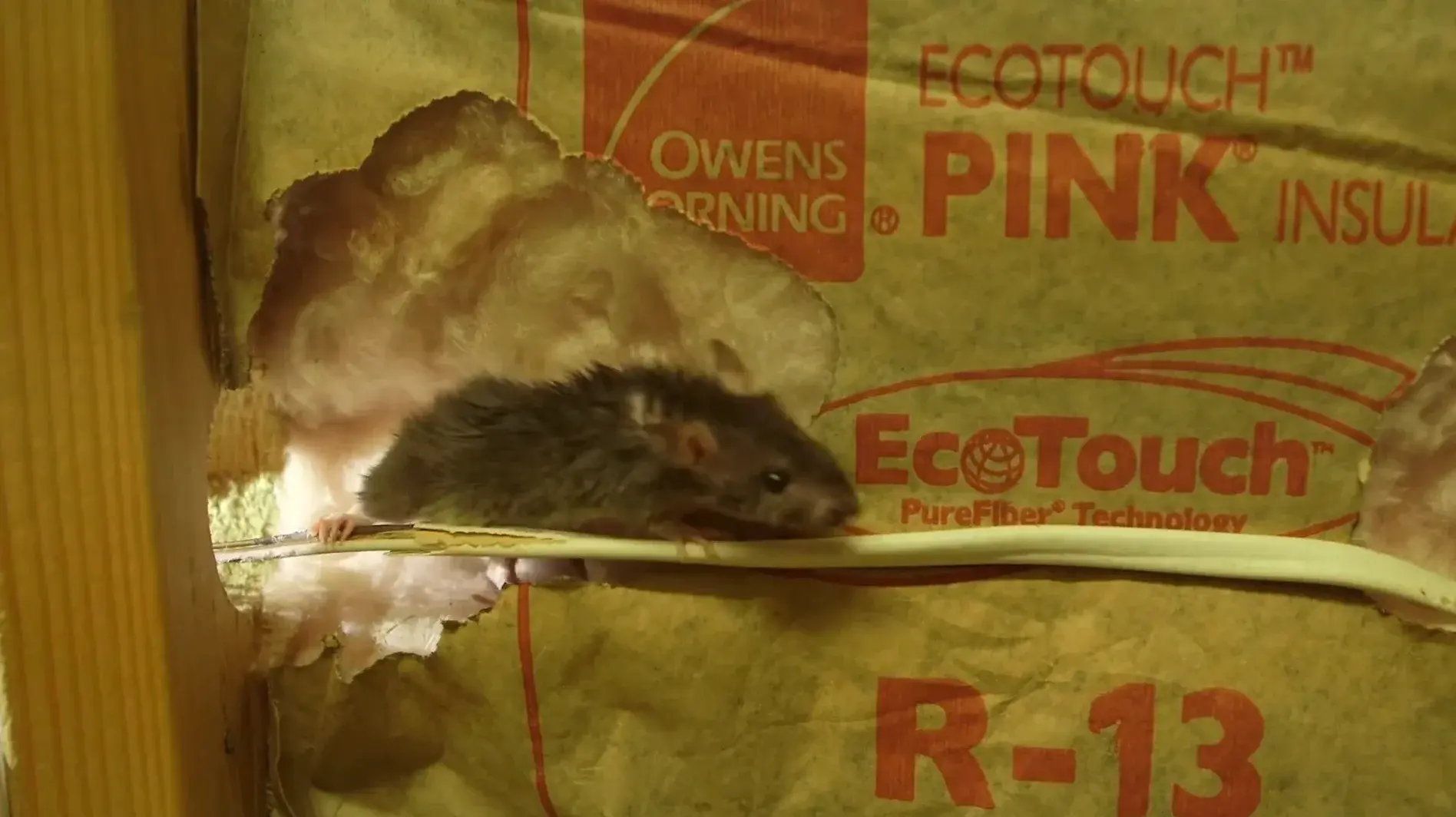
Use this guide to match the sound to the likely animal.
| What you hear | When | Likely cause |
|---|---|---|
| Scratching and quick running | Night | Roof rats or mice |
| Heavy thumping, rolling like a ball | Morning or afternoon | Squirrels |
| Gnawing or chewing in one spot | Night | Rats or mice |
| Light, fast scurrying inside walls | Night | Mice |
| Squeaks or fighting | Night | Rats, often a nest |
| Wing flaps and chirps | Dusk or dawn | Birds or bats |
If the sound moves from the attic into the walls, rodents are likely using the wall gaps as hallways.
Is the scratching in my attic rats or mice?
Heavier steps and gnawing point to rats, and light, fast steps point to mice. Rats make louder thumps and may drag things. Mice sound like small, quick taps. Droppings tell you more: rat droppings are about the size of a raisin, and mouse droppings look like rice grains.
How we work
How We Clear an Attic, Step by Step
Attic rodent removal works best when each step is done in order. Skipping one is how problems come back. Each step shows what is included, and you can pick one step or the whole package.
 01
Inspect
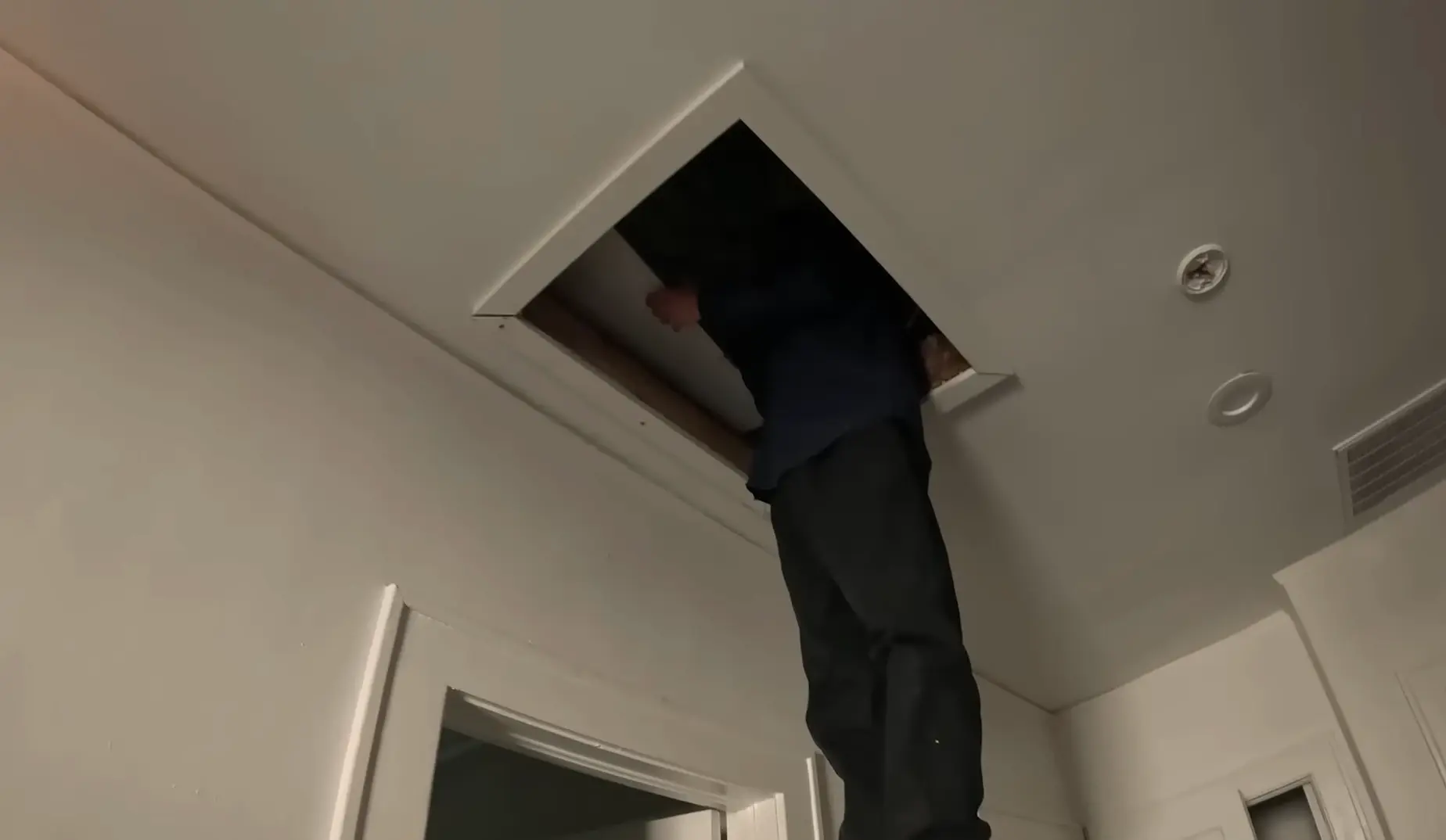
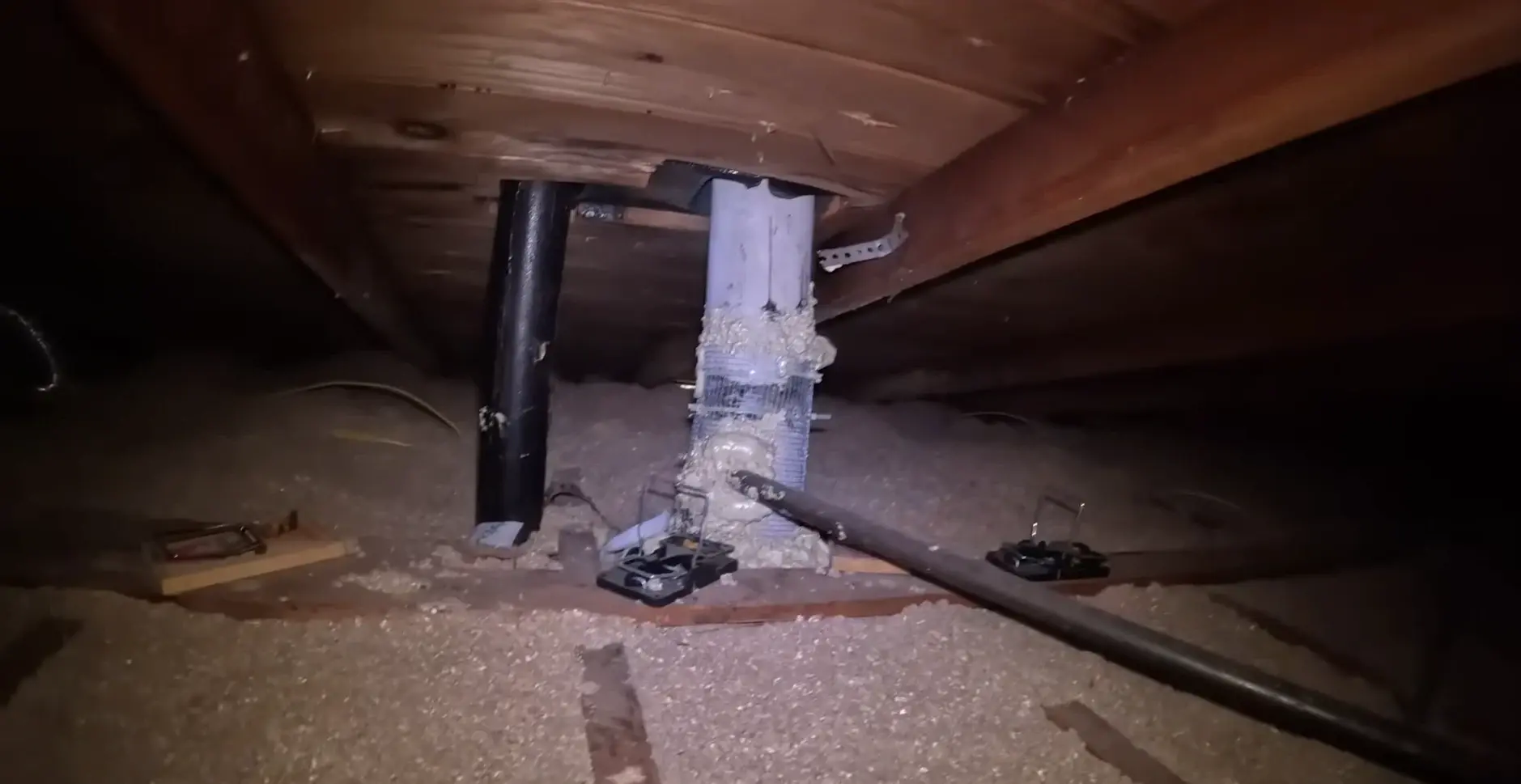
We check the roofline, vents, attic and wires. You get photos of what we find.
What is included
- Attic inspection with photos of droppings, nesting, wires and entry points
- Wire and duct check: we flag damage so the right trade can fix it
 02
Trap
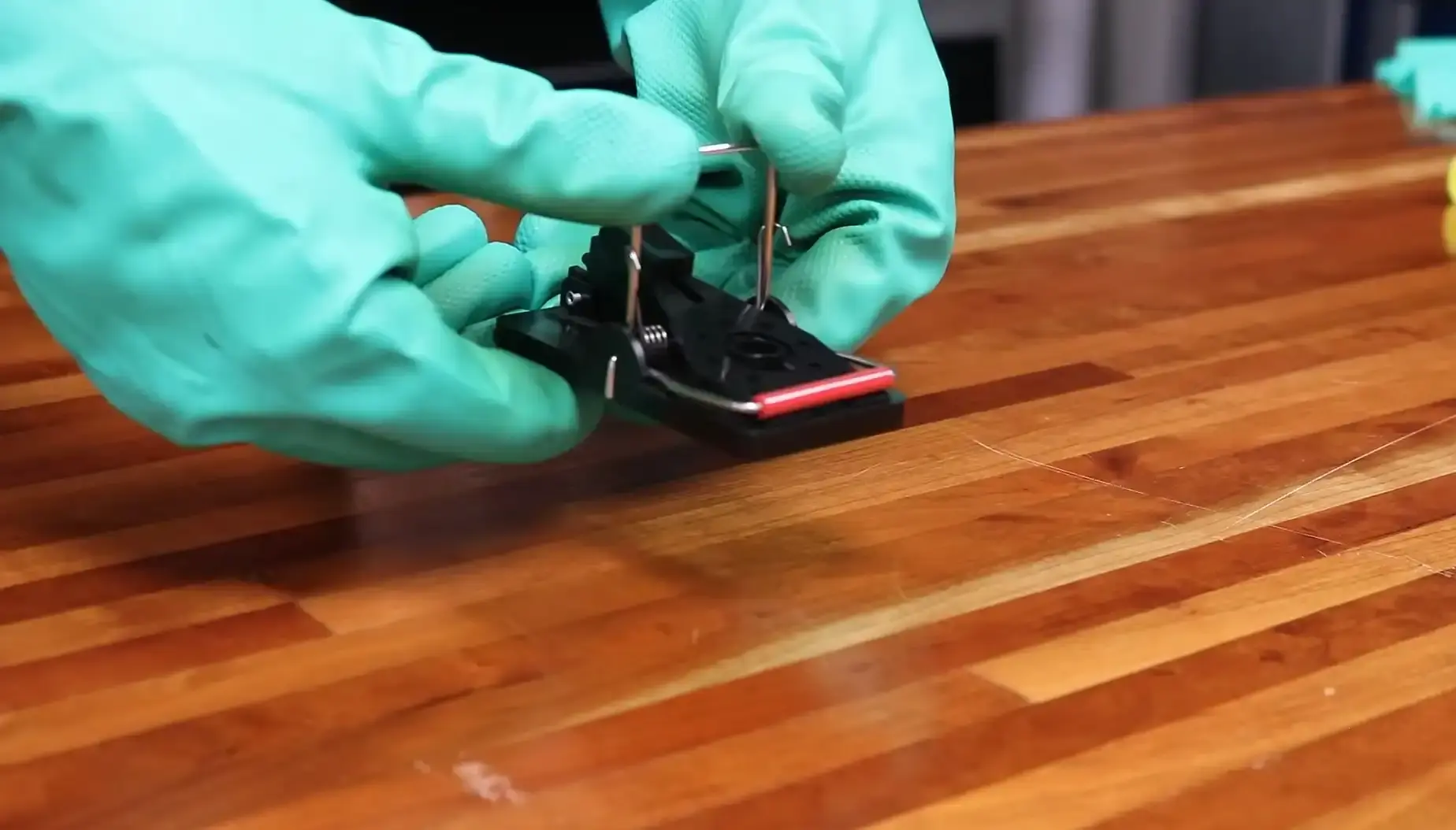
Our team sets the right traps in the right spots. Our team members avoid loose poison in attics because a rodent that dies in the walls leaves a smell and can harm pets.
What is included
- Rat and mouse trapping, with setup and follow-up visits (emergency visits can cost more)
 03
Seal
After the rodents are gone, we close every entry with metal mesh, flashing and vent covers.
What is included
- Entry point sealing with metal mesh, flashing and vent covers (the size of the roof sets the price)
 04
Clean
Our technicians remove droppings and nesting, and treat the area. Badly soiled insulation is replaced.
What is included
- Attic cleanup and sanitizing, based on how much area is soiled
- Insulation removal and replacement, based on square footage and insulation type
 05
Check back
Our technicians return to confirm the traps are quiet and the seal is holding.
What is included
- Follow-up visit to confirm the traps are quiet
Should I use poison for rats in the attic?
No, it is rarely the best choice. Poisoned rats often die inside walls, which causes strong odors and attracts flies. Poison can also harm pets and wildlife, such as owls and hawks, that eat the rats. California also limits some rodenticides.
Many homes need only trapping and sealing. Heavy infestations or old problems need cleanup too.
How much does it cost to remove rats from an attic?
It depends on how far the problem has spread. Trapping, sealing, cleanup and insulation are quoted as separate steps, so you only pay for what your attic needs. A home that needs only trapping and sealing costs less than one that also needs cleanup. The inspection gives you a written quote.
Is it worth hiring someone, or can I handle rats myself?
It is worth hiring a pro if rats are nesting, because sealing is the hard part. Traps can catch a few rats, but without sealing, more come. Attics are hot, tight and risky to work in. Most people also lack the metal and tools to close roof gaps.
What we offer
What Affects the Price of Attic Rodent Removal
The attic is where the cost can vary most, because the damage depends on how long rodents have been there. Four things move the number:
How active the rodents are
A single nest needs fewer trap checks than activity across the whole attic. We keep checking until the traps stay empty.
Roof size and entry points
Sealing is the part that keeps rodents out, and a bigger roof with more gaps needs more metal and time. Our team shows you photos of each entry point.
How much of the attic is soiled
Cleanup is priced by the area affected. A small patch of droppings is very different from nesting and urine spread across the space.
Insulation condition
Insulation is replaced only if it is soaked, packed down or contaminated. It is quoted separately, so you can decide after seeing the photos.
You see the full price in writing before any work starts
If a quote covers only trapping and leaves out sealing, ask how the rodents will be kept out.
Cleanup
Rodent Attic Cleanup: What We Remove and Replace
Rodent attic cleanup is what makes the space safe again. Trapping and sealing end the problem, but the mess stays until it is cleaned.
Droppings and nesting removal
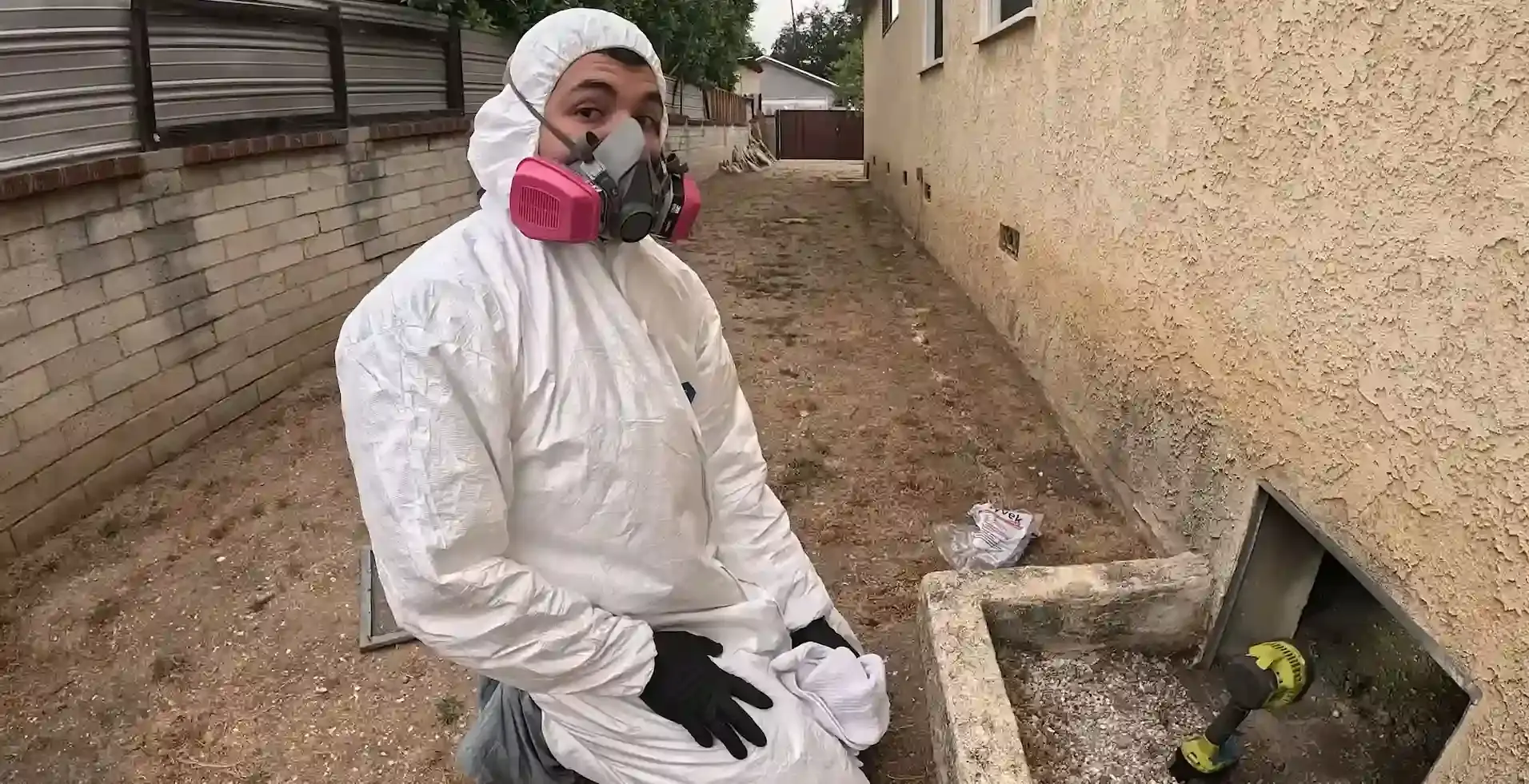
Our team removes droppings and nesting material using HEPA vacuums and protective gear, with wet methods so no dust is stirred up. Everything is bagged and sealed before it leaves the attic.
Sanitizing
We treat the cleaned surfaces with products made for rodent waste. This reduces germs and smell on the wood framing and other surfaces that stay in place.
Insulation removal and replacement
Insulation that is soiled, flattened or full of nesting is taken out and replaced. Clean insulation insulates better, and it no longer holds the smell that draws new rodents.
Wire and duct check
We look at the wires and ducts we can see and tell you where there is chewing. The right trade, such as an electrician or a heating and cooling company, can then repair it.
Deodorizing
We reduce lingering smells, because old odor can attract new rodents. Heavy odor from soaked insulation is handled by removing the insulation, not by covering it up.
Only part of an attic may need work. If the insulation is clean, we may only treat the soiled area. We tell you which it is after the inspection.
Do I have to replace the attic insulation after rats?
Only if it is soiled, wet or flattened. Insulation with droppings and urine soaked in cannot be cleaned well and should be replaced. Clean insulation in good shape can stay. We show you photos so you can decide.
Why choose us
Why Santa Barbara Homeowners Call Us for Attic Rodents
An attic job has three parts: getting the rodents out, closing how they got in, and dealing with what they left. Here is how we cover all three.
The cause
We trace the entry points on the roof and walls first, so we know where the rodents are getting in before we do anything else in the attic.
Removal
We use traps and leave no bait out where it can cause a smell or reach other animals. The traps are checked and reset on a schedule until the attic is quiet.
Sealing
Roofline, vent and soffit gaps are closed with metal that rodents cannot chew through, and we photograph each spot so you can see the work.
Damage
We tell you what we see in the insulation and wiring, with photos, and can quote the cleanup. You decide what to do after you have seen it.
The quote: A written quote before work starts.
Call for Attic Rodent RemovalWho we help
Who We Help With Rats in the Attic
Attic rats show up in all kinds of homes, from older bungalows to tile-roofed estates. These are the people who most often call us.
Homeowners
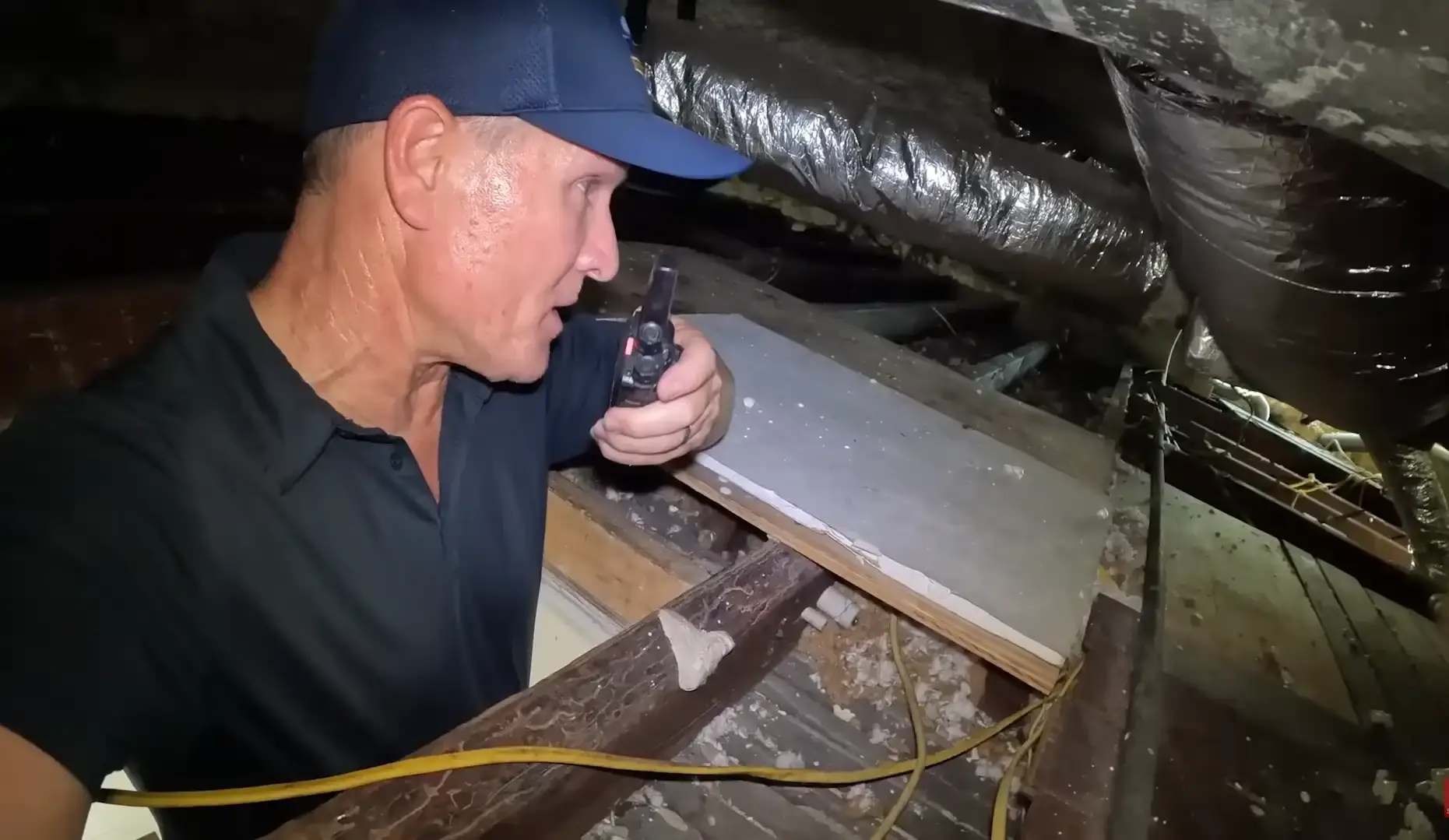
Noise at night, scratching overhead or droppings in the attic are the usual signs. We find the entry points, remove the rodents and close the gaps.
Buyers and sellers
A clean, documented attic helps during a sale or inspection. You get a written report with photos of what was found and what was fixed.
Landlords and property managers
When tenants report noise or droppings, we inspect, fix the cause and give you a report you can share with owners and tenants.
Vacation rental hosts
Attic noise reported by a guest needs a quick check and a clear record. We can plan visits around your check-in and check-out days.
Estate owners
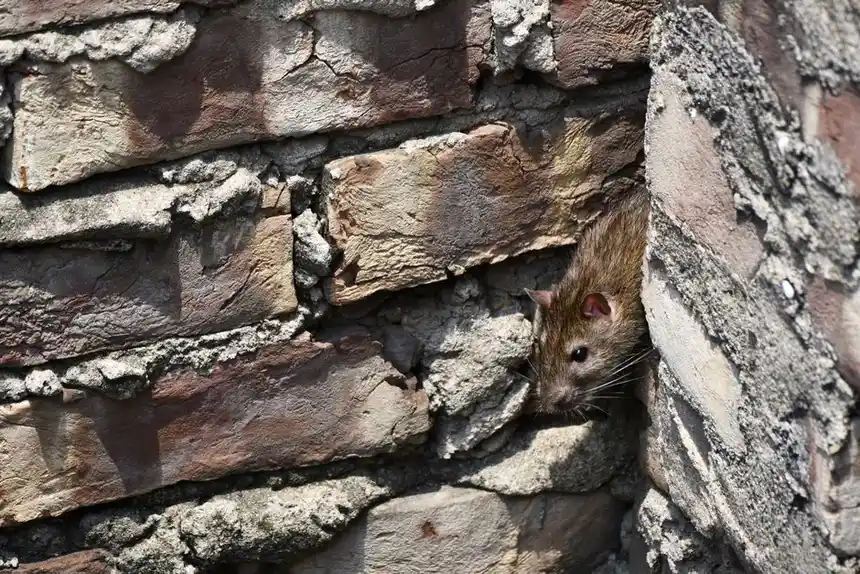
Large roofs in Montecito and Hope Ranch have more edges, vents and eaves to check. We map each entry point and seal it with metal.
Where we work
Attic Rodent Removal Across the Santa Barbara Area
Our team works across Santa Barbara and the nearby South Coast towns. If your street is not listed, call and we will tell you whether we can come out.
- We serve the City of Santa Barbara and nearby areas, including the Riviera, the Mesa, Upper East, Mission Canyon, Hope Ranch, Montecito, Summerland, Goleta, Isla Vista and Carpinteria.
- Our team members also work near UCSB, Santa Barbara City College, Cottage Hospital and along Highway 101, State Street and Cabrillo Blvd.
Our technicians work in attics across the city, including the Riviera, the Mesa, the Eastside, Montecito and Oak Park. Newer tract roofs in Goleta and hillside homes in Bel Air and Hidden Valley are covered too.
How long does it take to get rid of rats in the attic?
Most attics take two to four weeks to clear. Trapping often catches rats within the first week. Follow-up visits make sure none are left. Large nests or many rats can take longer.
Will rats leave on their own?
No, an attic with food, shelter and warmth is a good home. Rats stay as long as they can get in and out. Without trapping and sealing, the problem grows as they breed.
What if the scratching stops after trapping?
Good, but do not stop there. A quiet attic does not mean the holes are closed. Seal the entry points so new rats cannot move in. We check back before we call the job done.
Do you work in the evening or on weekends?
Ask when you call. Rats are active at night, but most work is done in daylight for safety. We can often visit within a few days.
Is the attic smell from rats or something else?
A musty, ammonia-like smell often means urine and nesting. A rotten smell can mean a dead rodent. Either way, we find the source. For strong odors, see our Dead Rat Smell page.
Does homeowners insurance cover rat damage?
Often not, but it depends on your policy. Many policies exclude pest damage. Chewed wires that lead to a fire may be treated differently. Call your insurer and ask. We can supply a photo report for your records.
Santa Barbara rodent control
Is It Safe to Go Into the Attic Yourself?
Not until you know what is up there. Rodent droppings and urine dry into dust. When you stir it up, you can breathe it in. Deer mice can carry hantavirus in parts of California, so this is worth taking seriously.
If you must look, keep it short and use this checklist.
- Wear an N95 or better mask, gloves and long sleeves
- Open the hatch and air the space for 30 minutes first
- Never sweep or vacuum dry droppings
- Step only on joists, never on bare insulation or drywall
- Look for chewed wires and keep away from them
- Leave if you smell a strong odor or see a nest of babies
Most people do not need to go up at all. We do the check and send you photos.
Can rats in the attic start a fire?
Yes, chewed wires are a real fire risk. Rats gnaw on wire coating to keep their teeth short. Bare wire in a dry attic can spark. If your lights flicker or breakers trip along with the scratching, call an electrician as well as us.
Can I get sick from rats in my attic?
Yes, mostly from droppings, urine and mites, not from hearing them. Illness can spread through dust or contact. Rat mites can also leave the nest and bite people, which causes itchy red spots. Cleaning with the right gear lowers the risk.
Why it happens
Why Rats in the Attic in Santa Barbara Are So Common
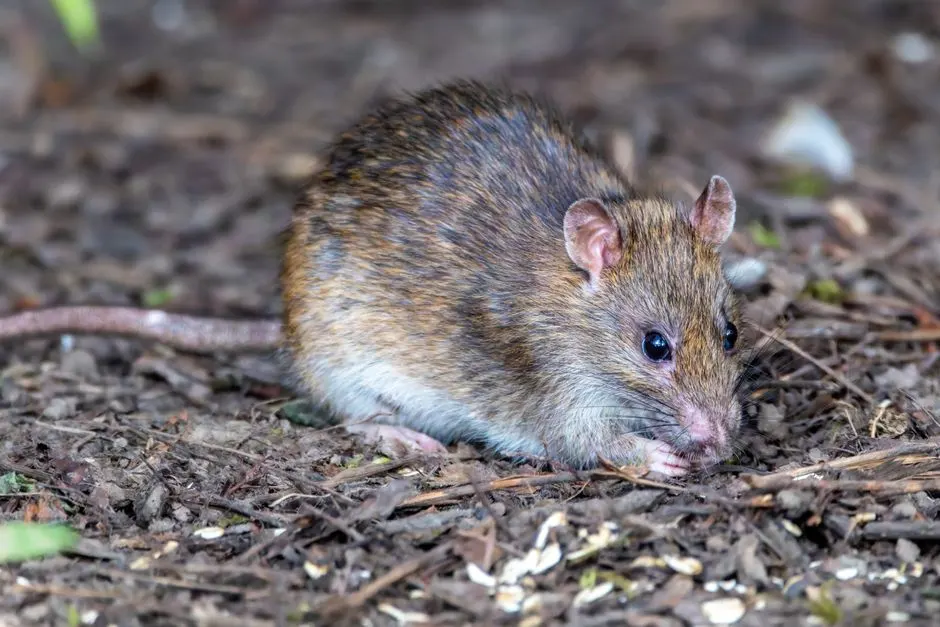
A roof rat attic problem often starts outside. Roof rats live in palms, oaks, eucalyptus and thick ivy, then cross onto a tile roof or follow a power line. Our warm weather means they breed most of the year.
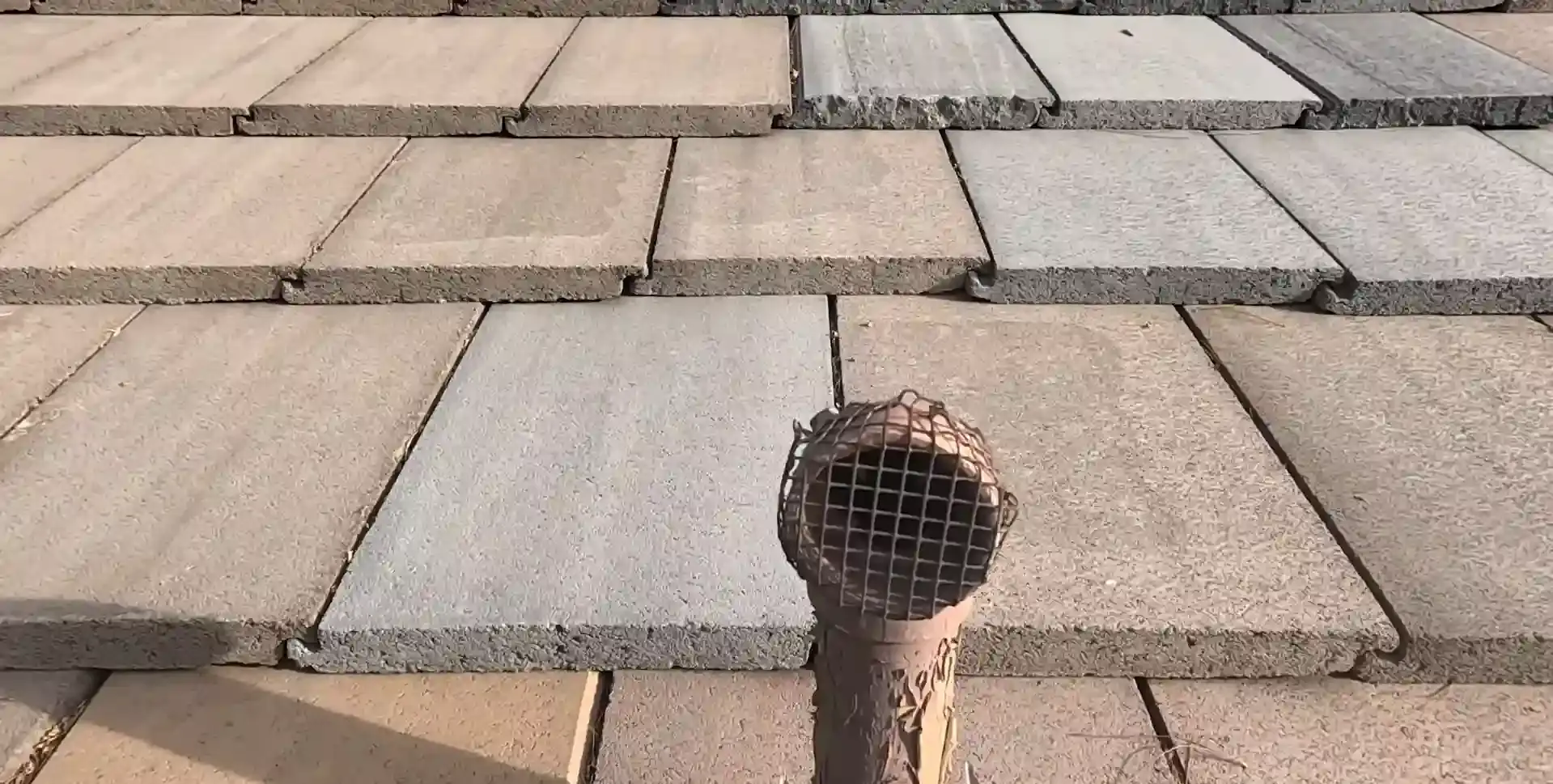
Here is how they usually get in.
Gaps under clay tiles and open eave ends
Gaps under clay and barrel tiles and open eave ends let roof rats walk straight into the attic. This is very common on Mission Revival and Spanish-style homes.
Attic and gable vents
Vents with torn or loose screens are an open door. A rat can push through a damaged screen, so we replace weak screens with metal mesh.
Roof returns and chimney gaps
Where flashing has pulled away at a roof return or chimney, a gap opens between the roof and the wall. Rodents use these gaps, and we close them with metal flashing.
Fascia boards
Fascia boards with rot or small gaps give rodents a way under the roof edge. We repair or cover the gap with metal so it cannot be chewed wider.
Wires and pipes
Wires and pipes that run through the roofline leave openings around them. We seal around each one with metal so rodents cannot follow the line into the attic.
Neighborhoods with older tile roofs and tall trees, like the Riviera, Upper East, Mission Canyon and the Mesa, see this often. Big lots in Montecito and Hope Ranch have more roofline to check.
Why do I hear rats in my attic but see no droppings?
You may not be looking in the right place. Rats leave droppings along walls, near nests and in corners, not in the middle of the floor. Droppings may also be buried under insulation. A camera or a full inspection finds what a quick look misses.
Santa Barbara rodent control
What Rats Do to an Attic Over Six Months
The longer rats stay, the more they cost you. Here is the usual path when nothing is done.
| Time | What is happening up there |
|---|---|
| Week 1 to 2 | A few rats move in and start a nest in insulation |
| Month 1 | Droppings and urine build up; wires and ducts get chewed |
| Month 2 to 3 | More rats are born; scratching moves into walls |
| Month 4 to 6 | Insulation is flat and soiled; odors, stains and mites appear |
Soiled insulation stops doing its job. Your home gets harder to cool in summer and your energy bill can climb. Chewed AC ducts leak cool air into the attic. Stains can show up on ceilings below.
Homeowners in other California cities with roof rats are told the same thing: seal the roof, clean the insulation and sanitize the attic. That is the right order, and it applies here too. The timeline above is a general guide, and every home is different.
More ways we help
Our Other Rodent-Control Services
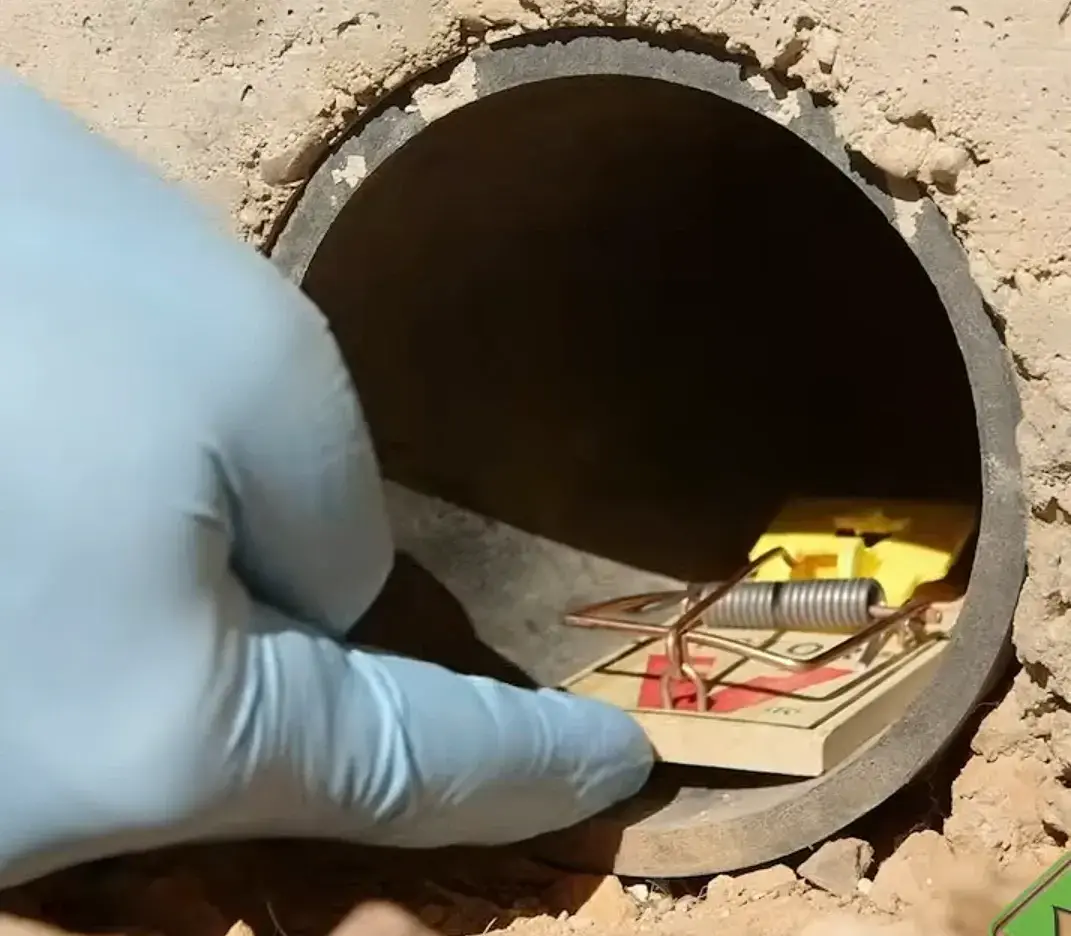
Rat Removal
Trapping, sealing and cleanup for rats in the attic, walls and yard.
View this service →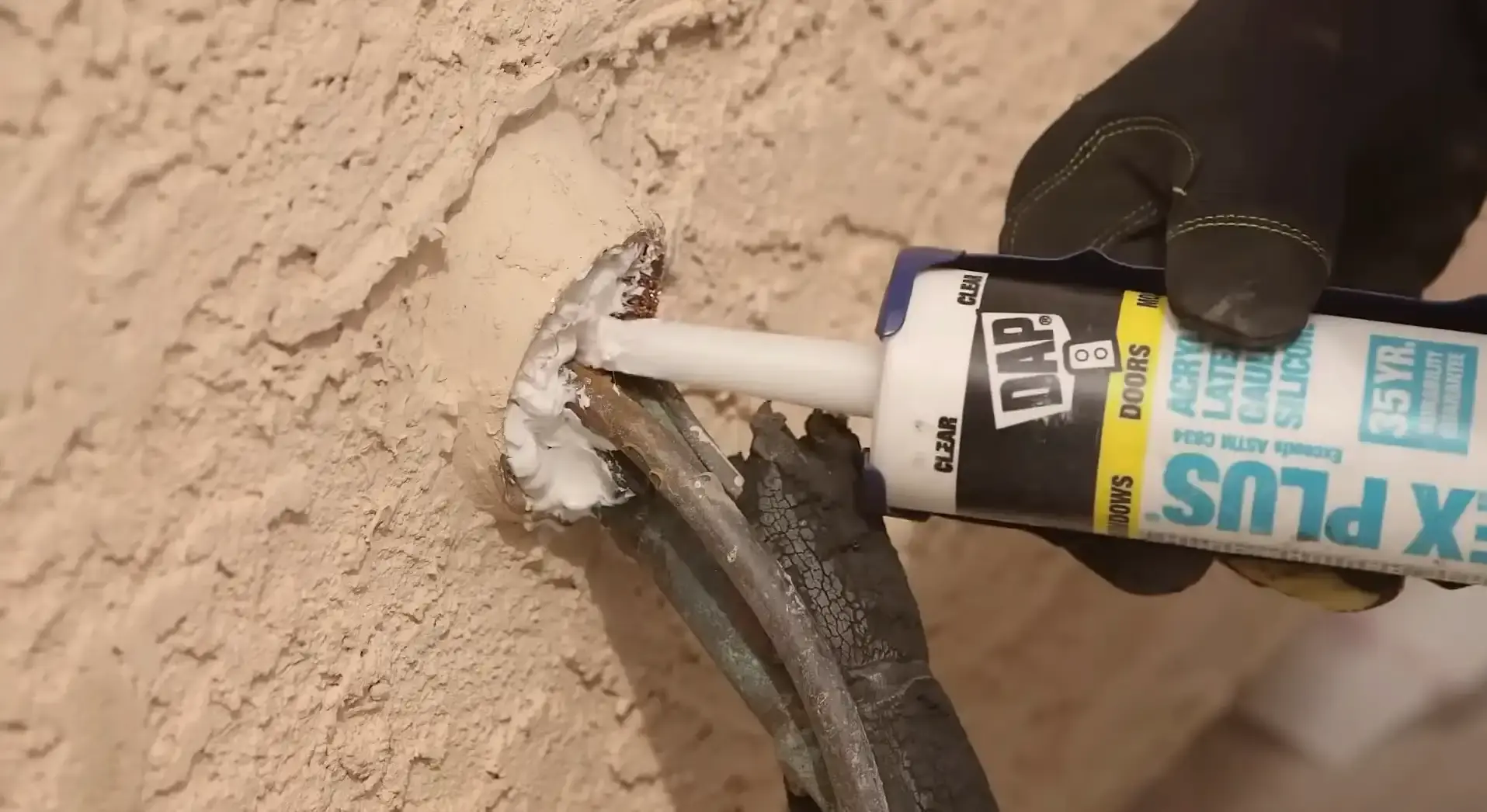
Rodent Exclusion & Proofing
Sealing the gaps rodents use with metal so they stay out.
View this service →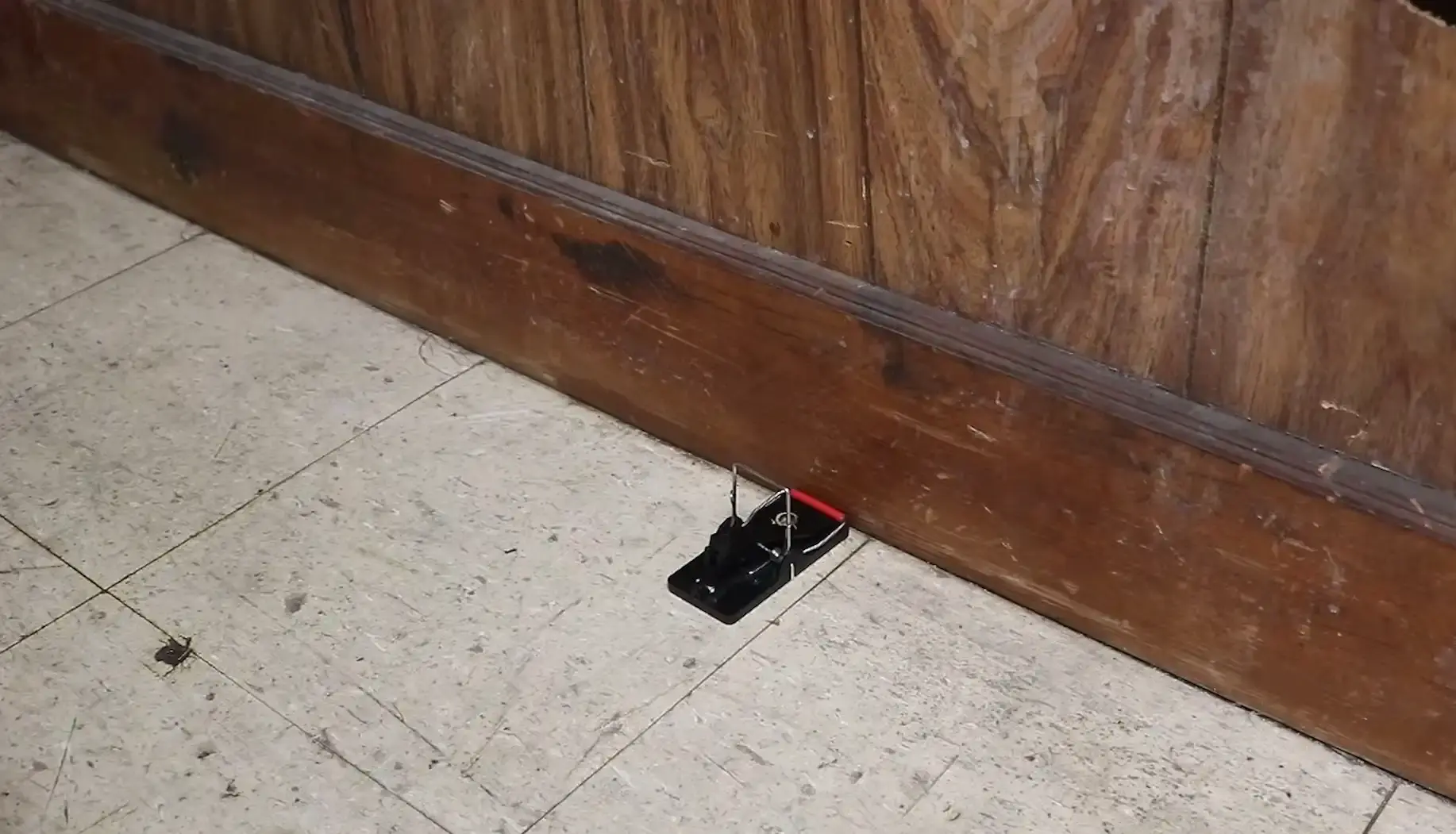
Vacant & Second Homes
Checks and sealing for empty and second homes.
View this service →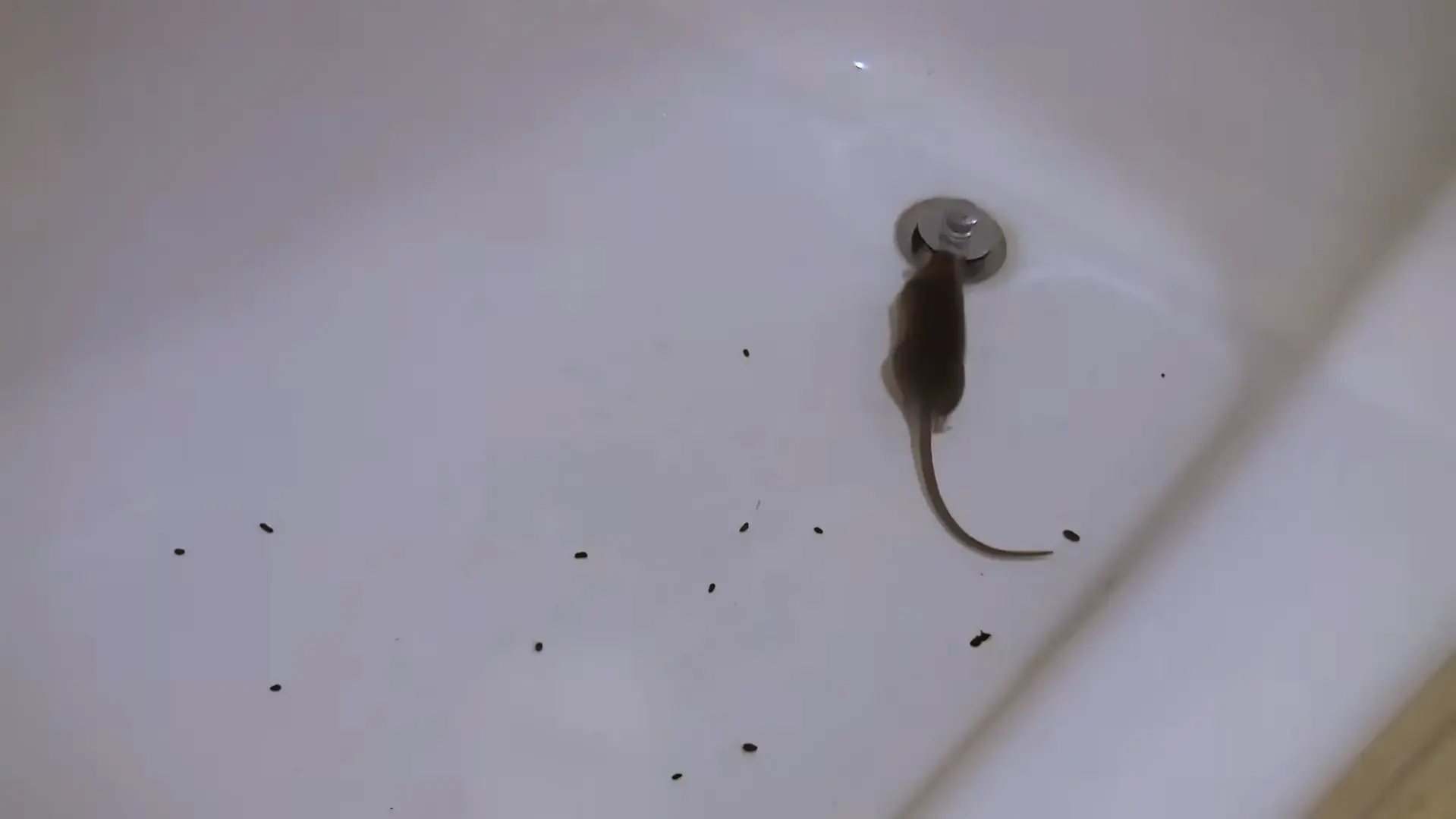
Mice Control
Trapping and sealing for house mice and deer mice.
View this service →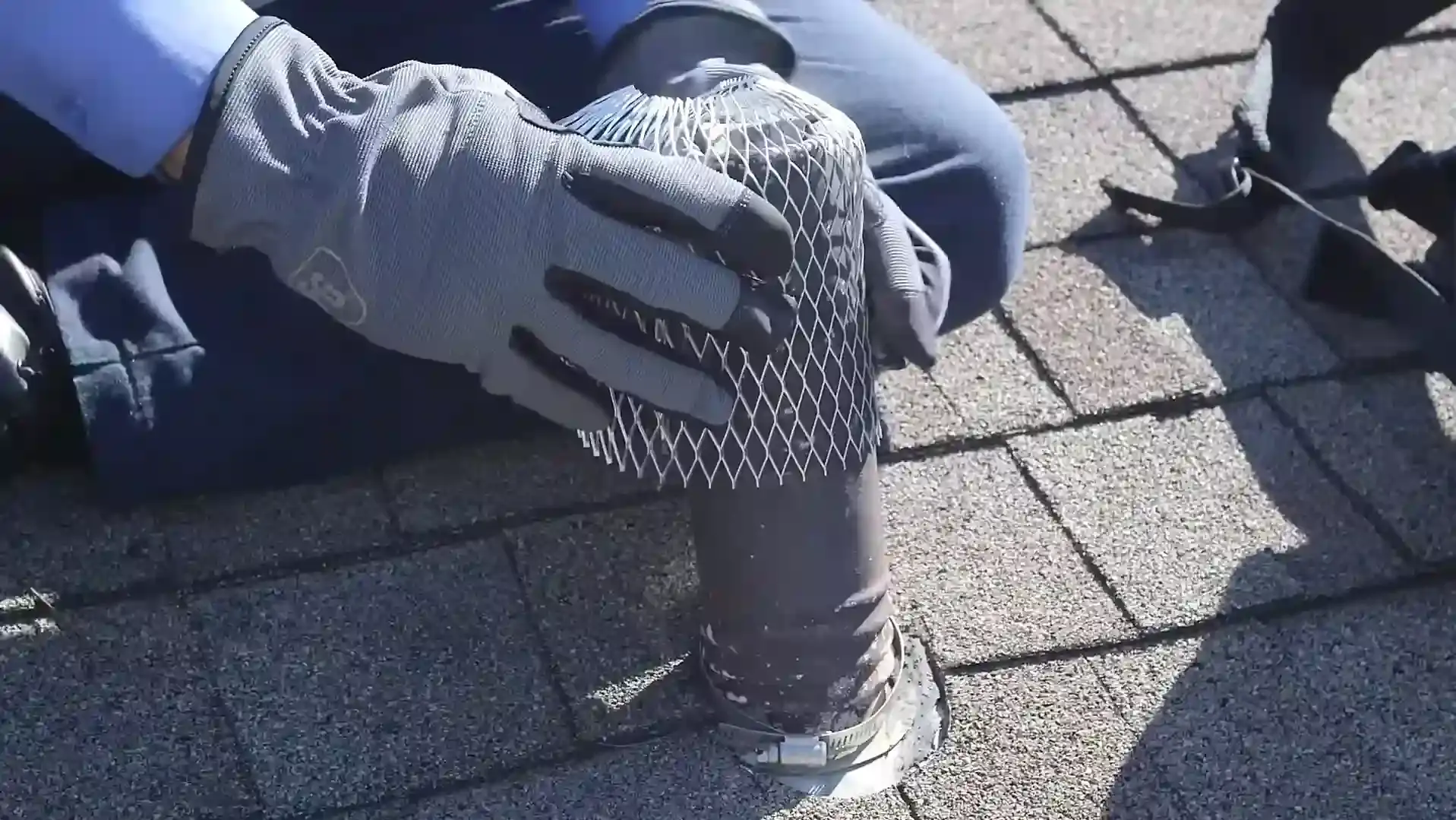
Squirrel Removal
Humane, legal squirrel removal and roof sealing.
View this service →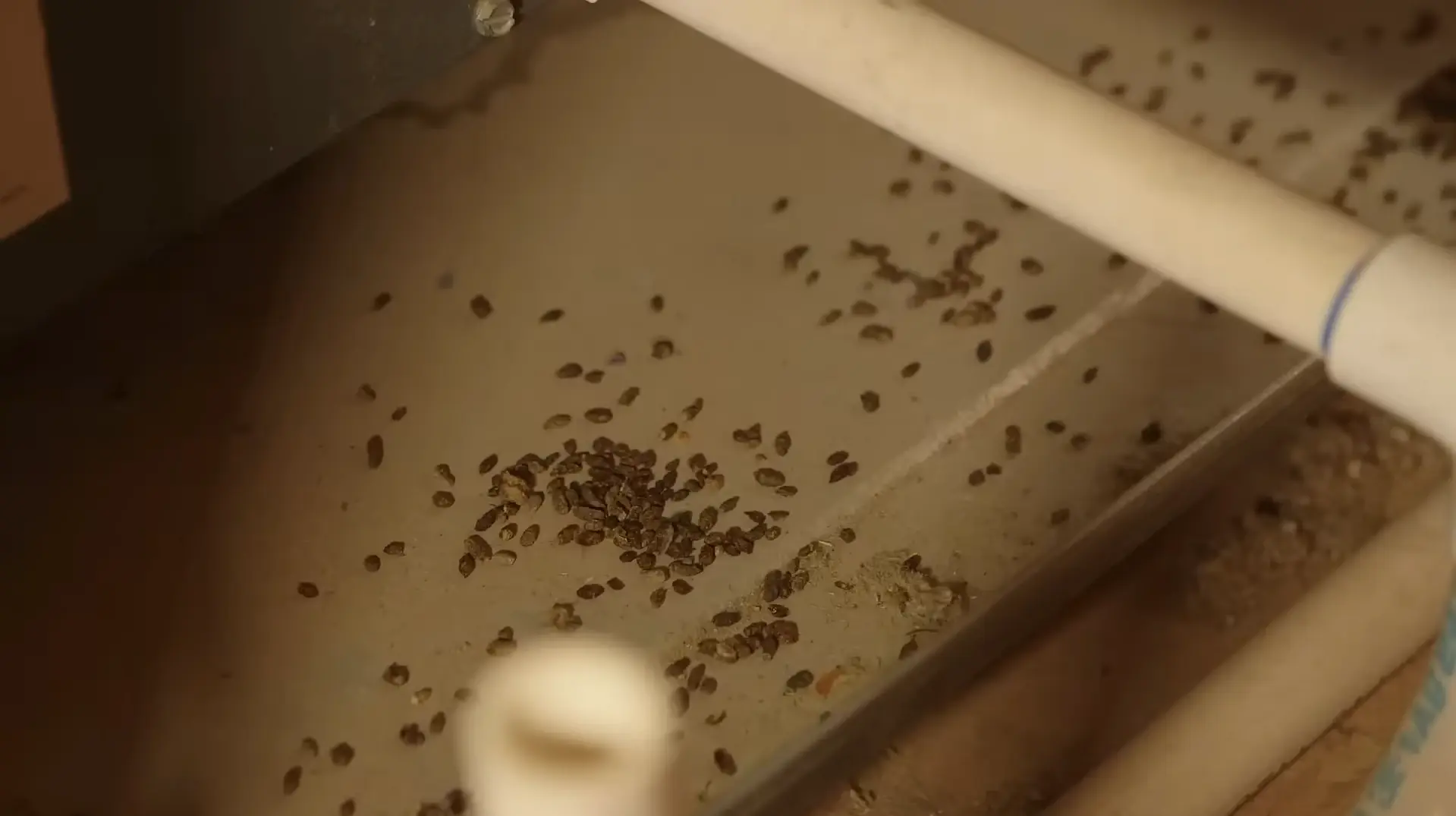
Cleanup & Insulation
Safe droppings cleanup and insulation replacement.
View this service →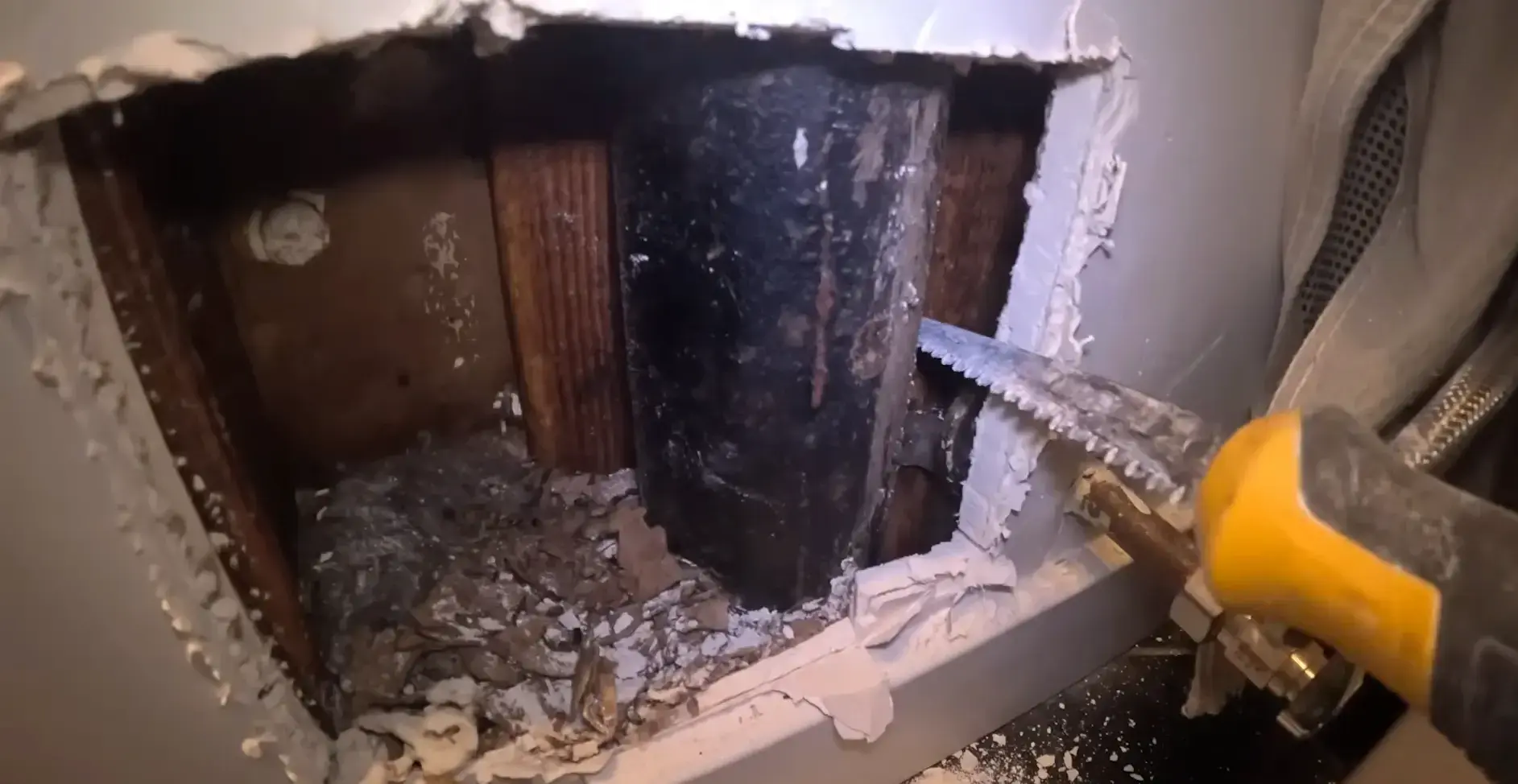
Dead Rat Smell Removal
We find and remove the source of a rotten smell.
View this service →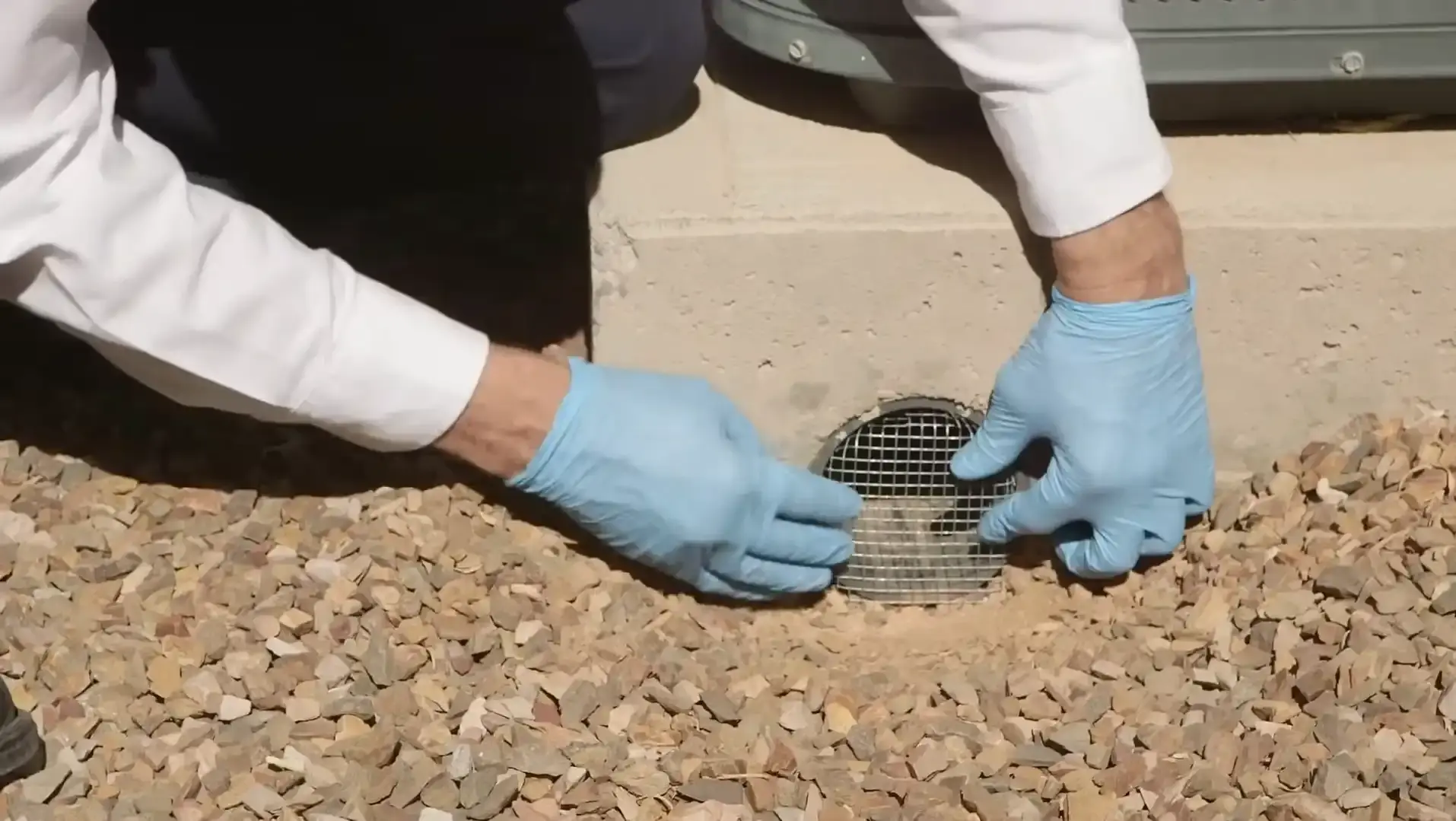
Crawl Space Control
Rodents out from under the floor, with vents and gaps sealed.
View this service →
Commercial Control
Discreet control for restaurants, shops, hotels and offices.
View this service →
Airbnb & Vacation Rentals
Fast response and reports for vacation rental hosts.
View this service →
Property Managers & HOAs
Building-wide control for landlords and HOAs.
View this service →Noise in the attic?
Show us what is up there, if you can reach it safely
Only look from the hatch if it is safe. Photos of these items help us plan the attic work before we arrive.
- 1The attic hatch
A wide shot from the opening showing the insulation.
- 2Droppings on insulation
Where they are and how widespread.
- 3Disturbed insulation
Tunnels, flattened areas or torn batts.
- 4Wires and ducts
Any chewed wire covering or torn duct. Do not touch them.
- 5Roof and vents outside
Eaves, vents and roof edges from the ground.
Ready when you are
Ready to Stop Rats in Your Attic in Santa Barbara?
If you hear scratching in the attic at night, do not wait for the problem to grow. Rats in the attic in Santa Barbara can chew wires, soil insulation and breed fast. Call us for an inspection. Same-day or next-day visits are often possible, and we will tell you what is up there and how to fix it.
- Call us(805) 429-3801
- Emailrodentshieldsantabarbara@gmail.com
- Office716 N Milpas St, Santa Barbara, CA 93103
- HoursMonday to Saturday, 8:00 AM to 6:00 PM