
Serving Downtown • the Mesa • Montecito • Goleta • Isla Vista • Santa Ynez Valley.
Rodents in Santa Barbara, CA — Which One Do You Have?
Not sure if it is a rat or a mouse? Tell us what you see or hear. We identify the rodent, remove it and seal your home. Free consultation.
Santa Barbara rodent control
Rodents in Santa Barbara: four you are likely to meet
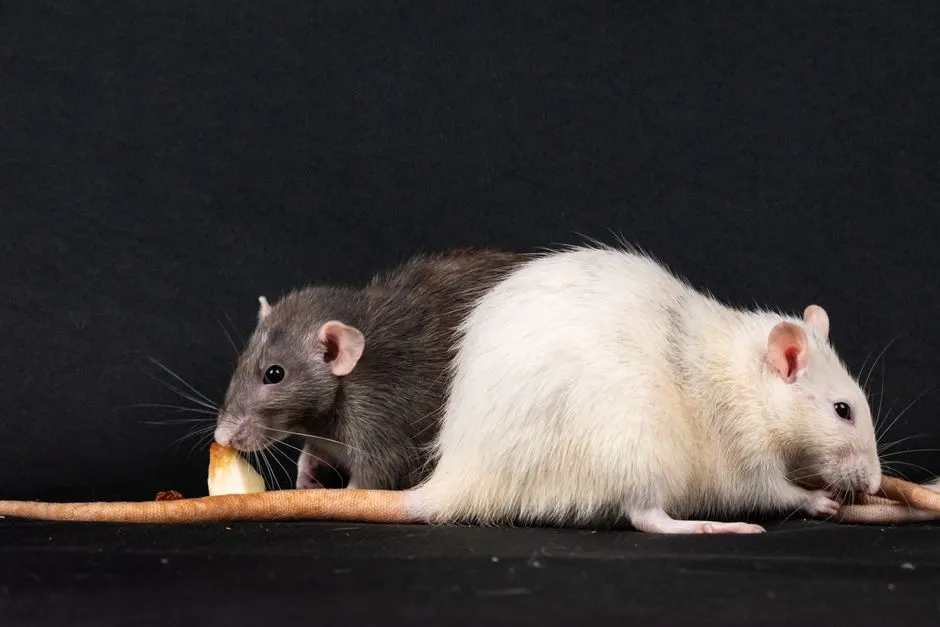
Four rodents cause most problems in Santa Barbara homes: the roof rat, the Norway rat, the house mouse and the deer mouse. Each one lives in a different spot, leaves different clues and needs a slightly different fix.
That is why the first step is naming the rodent. Traps, sealing and cleanup all change by species. Use the table and the clue list below, then open the matching page.
Santa Barbara rodent control
Meet the four rodents
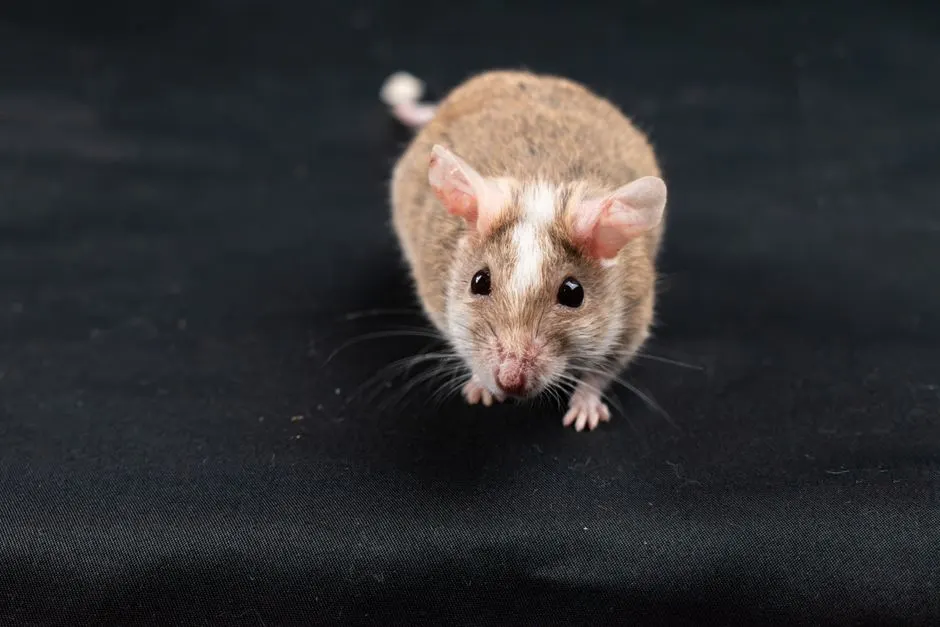
Four rodents account for most calls in Santa Barbara. Here is how to tell them apart.
| Rodent | How to spot it | Where you notice it | Health note |
|---|---|---|---|
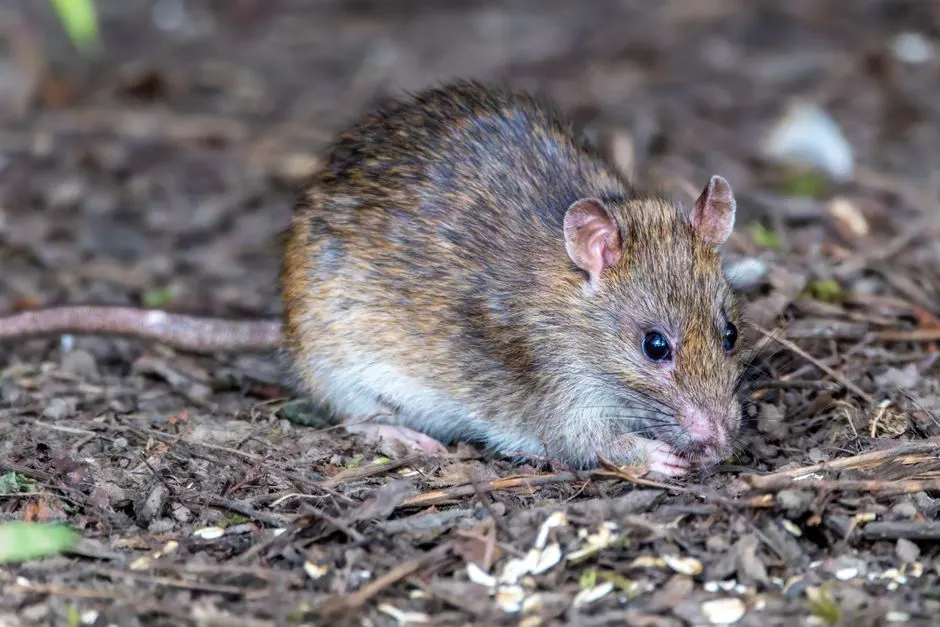
| Roof rat | Sleek, 5–10 oz. Tail longer than head and body. Pointed snout. | Attics, ceilings, palm trees, fruit trees, fences and overhead lines | Murine typhus (flea-borne) |
| Norway rat | Stocky, 7–18 oz. Blunt snout. Tail shorter than body. | Burrows along foundations, crawl spaces, ground floors, creek banks | Leptospirosis |
| House mouse | Tiny (about ½ oz). Gray, nearly hairless tail. | Kitchens, pantries, garages, wall gaps | LCMV, salmonella, allergens |
| Deer mouse | Gray-brown, white belly, furry tail, large eyes and ears | Sheds, cabins, RVs, garages near open land | Hantavirus |
The weights and tail details come from UC IPM. Rats are much larger than mice, but very young rats can look like mice. The giveaway is a big head and big feet for the body.
Santa Barbara rodent control
Which rodent do I have? Match your clue
Droppings, noise and damage all point to a species. Match what you found to the table below.
| What you notice | Most likely | Next step |
|---|---|---|
| Scratching or running in the attic or ceiling at night | Roof rat | Roof Rats |
| Chewed fruit or nuts on trees, or rats along fences and wires | Roof rat | Roof Rats |
| Holes in the dirt along a foundation, fence or planter | Norway rat | Norway Rats |
| Droppings or gnawing in a crawl space or ground-floor room | Norway rat | Norway Rats |
| Small droppings in kitchen drawers, cabinets or behind the stove | House mouse | House Mice |
| Shredded paper or fabric nest in a quiet corner | House mouse | House Mice |
| Droppings or nests in a shed, cabin, RV or stored-up garage | Deer mouse | Deer Mice and Hantavirus |
| A mouse with a white belly and a furry tail | Deer mouse | Deer Mice and Hantavirus |
Gnaw marks help too
UC IPM says rats leave tooth marks about 1/6 inch wide, and mice leave finer, scratchy marks about 1/12 inch wide.
Is it a rat or a mouse?
Check size, head and tail. Adult rats are much bigger than mice. A mouse has a small head and small feet for its body. A young rat has a big head and big feet. If you are unsure, send us a photo. This matters because mice and small young rats often will not set off a rat-sized snap trap, so the wrong trap fails.
I hear noises in the ceiling at night. What is it?
In Santa Barbara it is often roof rats, but mice are possible. Rats make heavier thumps and rolling sounds, while mice make light scratching. Roof rats like high, enclosed spaces such as attics and wall voids. A quick attic and roofline inspection tells us which one you have.
Why are there so many rats in Santa Barbara?
Our mild weather and thick plants give rats food, shelter and travel routes. Palms, ivy, fruit trees and fences help roof rats move around. Creeks and drainage areas suit Norway rats. Even downtown, the city has paid for trapping on State Street, reported by the Santa Barbara Independent in 2022.
Do I need to know which rodent it is before I hire someone?
It helps, but you do not have to figure it out alone. We confirm the species during the inspection. Knowing it sets the trap size, the places we seal and the cleanup steps, and it also tells us which germs to plan for.
Santa Barbara rodent control
The 5-minute rodent clue check
Walk through the home with a flashlight and write down what you see.
Attic or ceiling
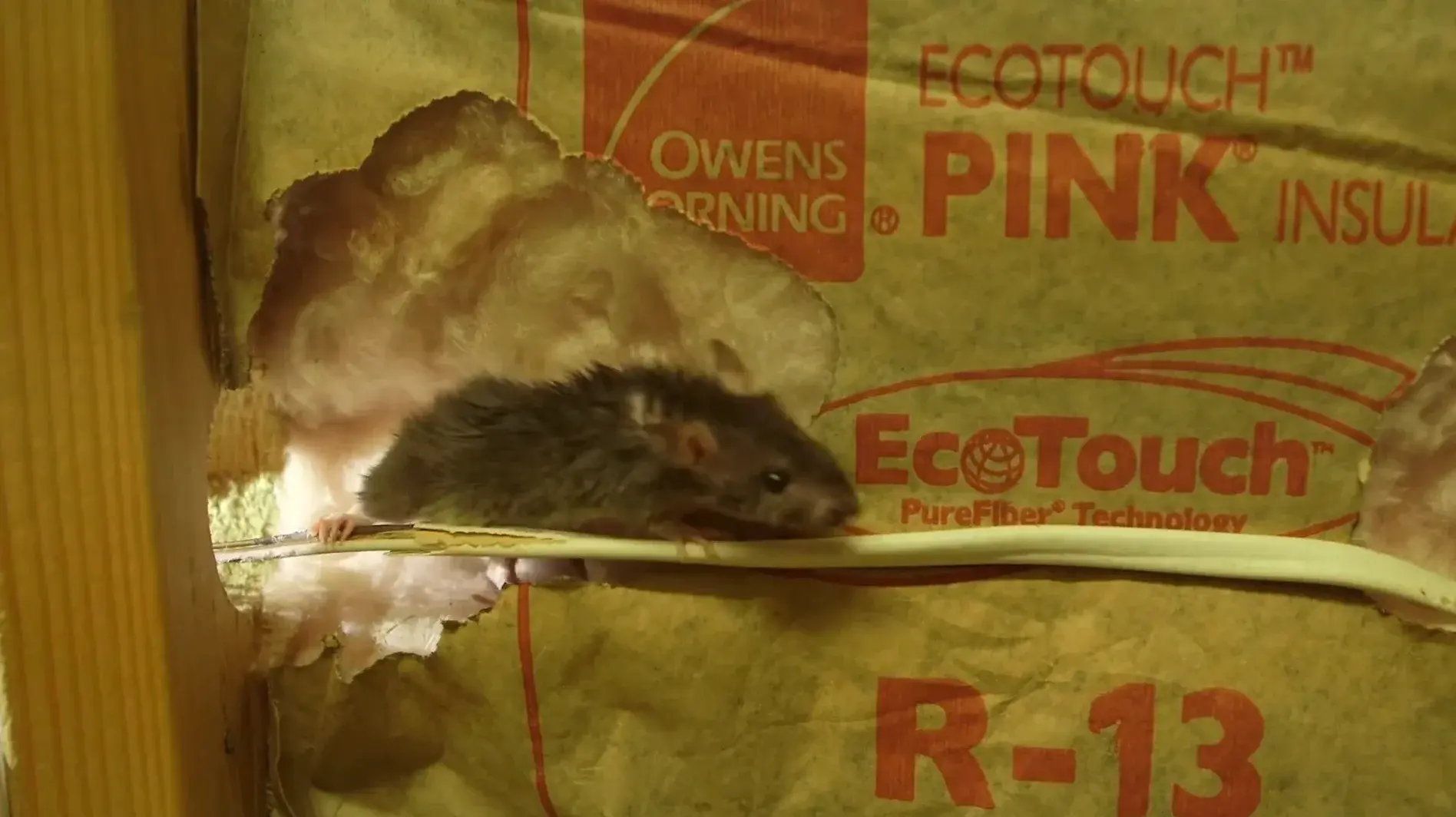
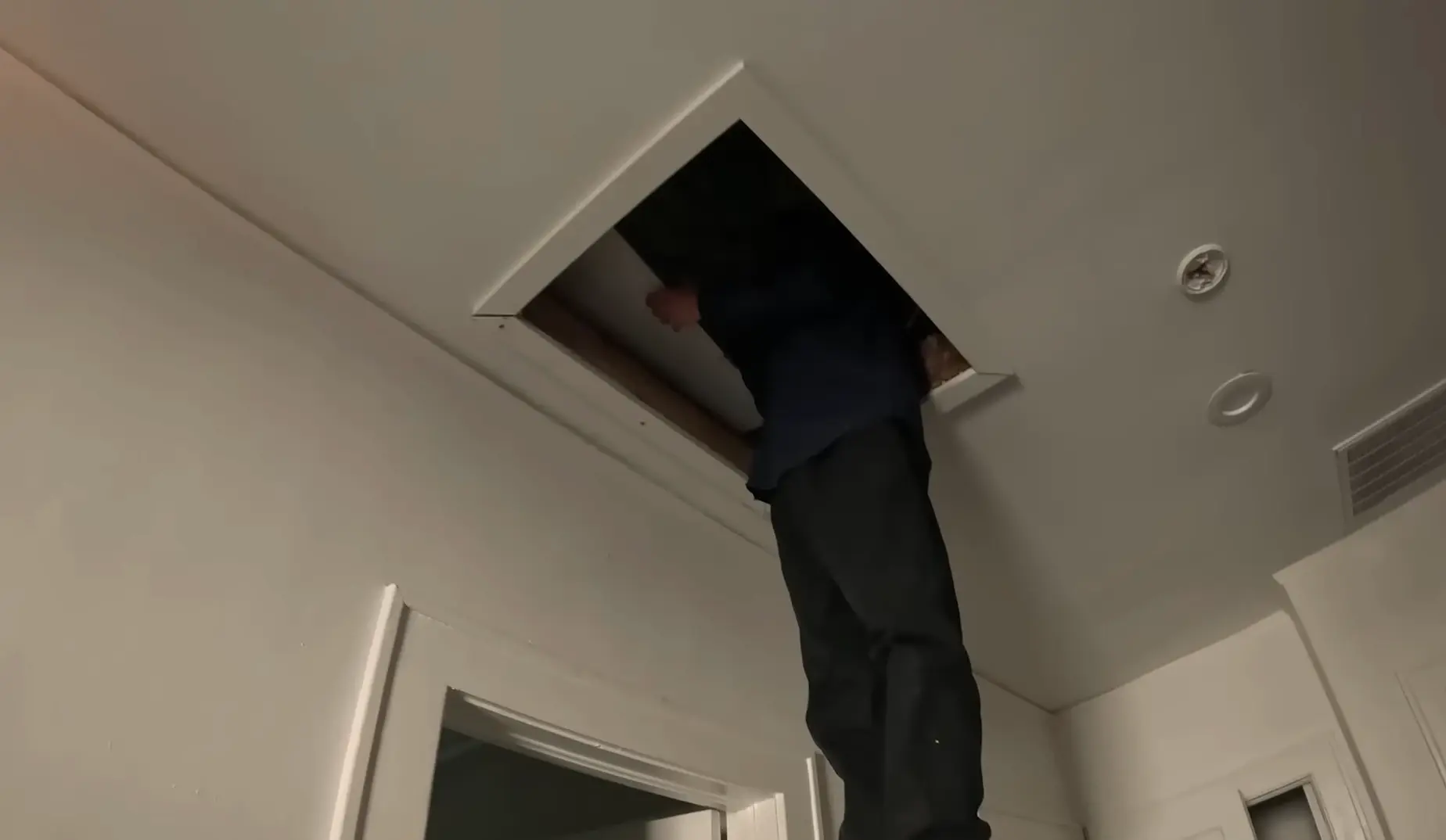
Droppings, rub marks on beams, torn insulation and nesting material are the usual signs of rodents above the ceiling.
Roof and yard
Gnawed fruit, burrow holes along foundations, runways in ivy and branches touching the roof show where rodents travel outdoors.
Kitchen and pantry
Droppings in drawers, chewed food boxes and a stale smell point to mice or rats near food.
Garage and shed
Shredded boxes, droppings on shelves and nests in stored items are common signs in storage areas.
Crawl space
Disturbed insulation, tunnels and gnawed pipes or wires show rodent activity under the house.
Take photos and send them with your address. You will hear what our team thinks it is before the visit.
Health and safety
Rodents and your health at a glance
Each rodent is linked to a different germ. For most people the risk is small, and safe cleanup lowers it.
| Rodent | Main health link | What to know |
|---|---|---|
| Roof rat | Murine typhus, spread by fleas | Symptoms are fever, headache and body aches, and it is treated with antibiotics |
| Norway rat | Leptospirosis, from urine-contaminated water or soil | Rare in California |
| House mouse | LCMV, salmonella, allergens | Mouse urine is a strong allergen |
| Deer mouse | Hantavirus | Rare but serious. It is caught by breathing contaminated dust |
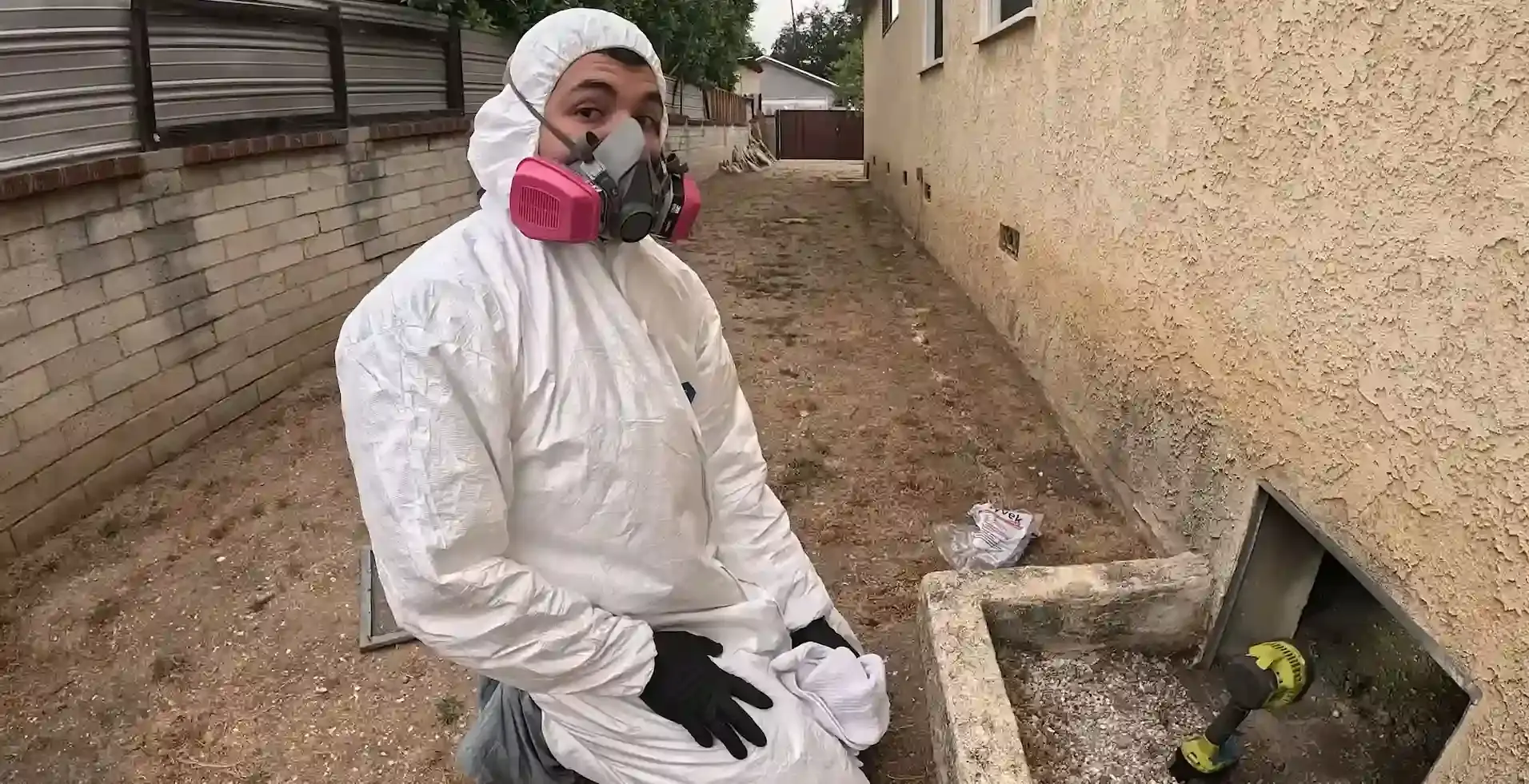
On all of them: never sweep or vacuum droppings. Wet them with disinfectant, wipe, bag and wash your hands. Read more in Rodent Health Risks.
How we work
How we get rid of rodents
The method is the same for every species: find the entry points, remove what is inside and seal the gaps. Here is how it works.
Free consultation
We identify the rodent and find the entry points and nesting spots. This call and first look are where we plan the work with you.
Trapping
Our technicians use traps sized for the species and place them along travel routes, checking and resetting them until the activity stops.
Sealing
Our team members close gaps with metal and concrete, since rodents chew through foam and plastic, and we photograph each sealed spot.
Cleanup
Our technicians remove droppings and nests safely, with wet methods and protective gear, so dust stays down.
Follow-up
We re-check to make sure the activity has stopped, looking at the traps and seals again.
Our team does not rely on poison. It takes days to work, rodents can die inside walls, and it can harm pets and wildlife.
What we offer
What we offer
Every job starts with a free consultation call to plan the work. You get a written quote after we see your home, before any work starts.
Rodent trapping program
Traps set where the activity is, with check visits and safe removal of what is caught.
Sealing and exclusion
Metal and concrete repairs at every entry point, so new rodents cannot get back in.
Droppings and nest cleanup
Wet clean-up, sanitizing and insulation repair where it is needed.
Dead rodent removal
Finding and removing the source of smells in walls, ceilings or crawl spaces.
Monitoring visit
A re-check visit to confirm the rodents are gone and the repairs are holding.
See details on our Rodent Control Services page for typical price ranges.
Where we work
Areas we cover
We serve Downtown Santa Barbara, the Mesa, the Riviera, Montecito, Hope Ranch, Goleta, Isla Vista, Carpinteria, Summerland and the Santa Ynez Valley. See the full list on our Service Areas page.

What rodents live in Santa Barbara?
Roof rats, Norway rats, house mice and deer mice are the main ones in homes. Gophers, ground squirrels and voles live in yards and fields, but they are different animals and not usually indoor pests.
What is the difference between a rat and a mouse?
Rats are much bigger, with thicker bodies and larger heads and feet. Adult mice are small, about half an ounce. Rat tooth marks are about 1/6 inch wide, and mouse marks are about 1/12 inch.
How do I know if I have rodents in my house?
Look for droppings, gnaw marks, nests, smells and night noises. You may never see the animal. The EPA lists droppings near food, chewed packaging, shredded nesting material and stale odors as common signs.
What should I do if I find droppings but no rodents?
Treat it as an active problem. Wet the droppings, wipe them up with gloves, and set traps along the nearby wall. Do not sweep or vacuum. Then look for entry gaps.
Can I tell what rodent it is from the droppings?
Size helps, but it is not perfect. Cornell's pest management program lists house mouse droppings at 1/8 to 1/4 inch, roof rat droppings at about 1/2 inch and Norway rat droppings at 3/4 to 1 inch. Roof rat and mouse sizes overlap more than people expect. A photo or an inspection settles it.
Are rats or mice worse to have?
Both need prompt action. Rats are bigger and do more damage, and they chew through wiring and pipes. Mice breed fast and spread germs and allergens. The right answer is the same: trap, seal, clean up.
How fast can a few rodents become many?
Very fast. A female house mouse can have 5 to 10 litters a year. Norway rats can have 4 to 7 litters a year with 8 to 10 young each, according to the California Vertebrate Pest Control Handbook.
Can I handle rodents myself?
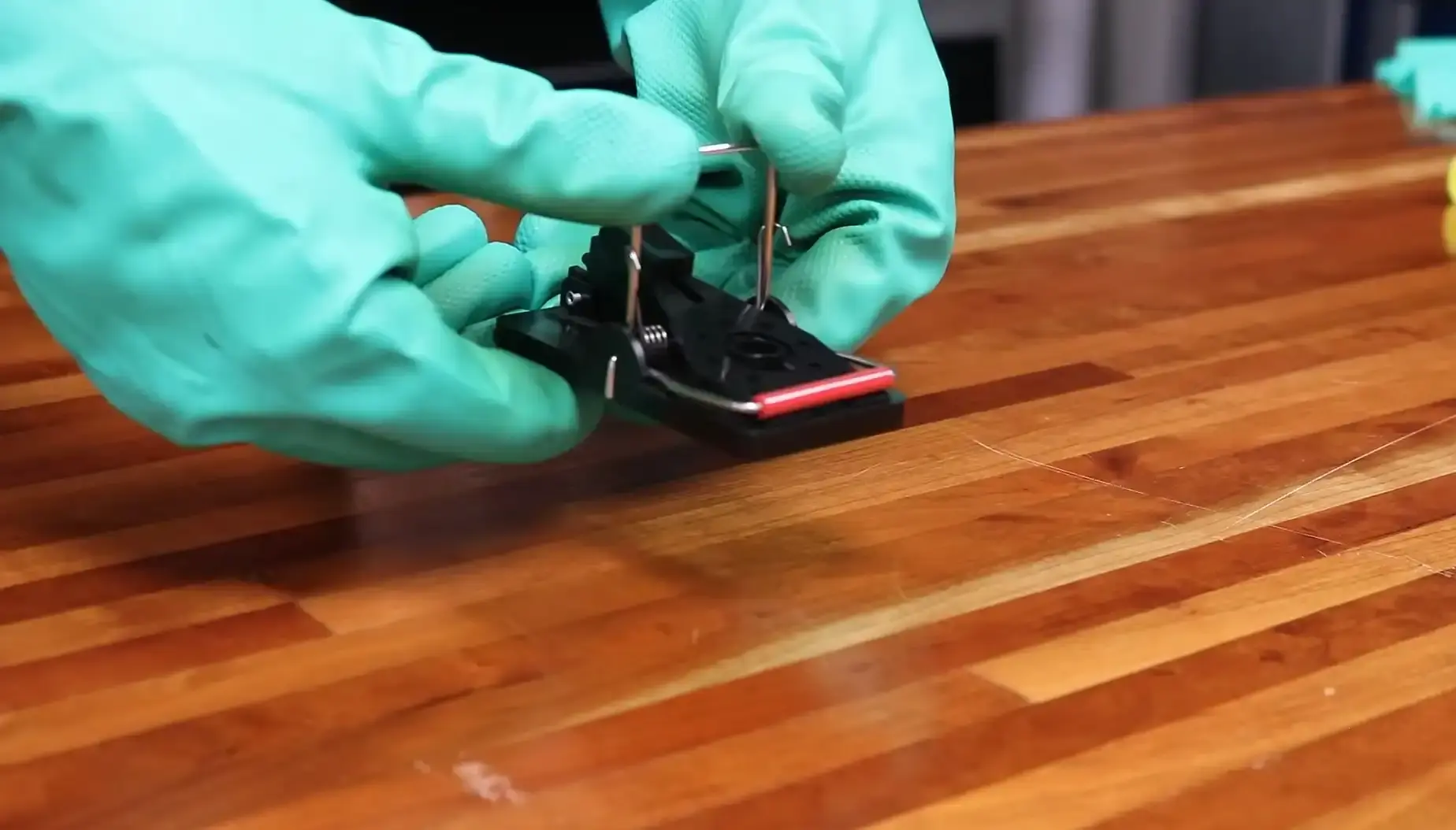
Small mouse problems can be handled with snap traps and sealing. Rats, attic activity, deer mice and large cleanups are better left to a pro, because of the gaps to seal and the dust risk.
Plan ahead
Rodent Seasons in Santa Barbara
Our mild climate means rodents are active all year, but what they do changes with the weather. Knowing the season helps you spot the first signs early.
Spring
Squirrels nest in attics and roofs, and young may be present. We check for babies before any sealing.
Summer
Roof rats feed on avocados, citrus and figs, and travel along palms, ivy and wires to reach roofs.
Fall
Nights cool and the first rains arrive. Mice look for warm, dry places, and many move indoors.
Winter
Wet weather can push rats under houses and into attics. Crawl spaces and roof edges are worth checking.
Where we work
Neighborhoods We Serve
Pick your area to see what rodents are common there and how we handle it.
Trying to identify a rodent?
Send photos of the clues and we will tell you what it likely is
Rats, mice and squirrels leave different droppings, gnaw marks and noises. Clear photos help us identify the animal before any work starts.
- 1Droppings with a coin
Size and shape are the quickest clue.
- 2Gnaw marks
Tooth marks on wood, wires or packaging.
- 3Nests or tunnels
Shredded material, or burrows near the foundation.
- 4Footprints or rub marks
Tracks in dust, or greasy smears along walls.
- 5Where it happened
Time of day, and whether it was inside or outside.
Ready when you are
Ready to deal with rodents in Santa Barbara?
Call us for a free consultation. We will name the rodent, remove it and seal your home.
- Call us(805) 429-3801
- Emailrodentshieldsantabarbara@gmail.com
- Office716 N Milpas St, Santa Barbara, CA 93103
- HoursMonday to Saturday, 8:00 AM to 6:00 PM

Sources
- UC IPM: Rats Pest Notes
- UC IPM: House Mouse
- EPA: Identify and Prevent Rodent Infestations
- Mosquito and Vector Management District of Santa Barbara County: Hantavirus
- More sources are listed on each species page.