Rodent Shield Santa Barbara
Rat Removal Santa Barbara, CA: Trapping, Sealing and Cleanup
Serving the Mesa • Riviera • Montecito • Goleta • Hope Ranch. Hearing scratching overhead at night? Our rat removal in Santa Barbara traps the rats, seals how they got in and cleans up the mess. Same-day or next-day visits are often available.
What to look for
Signs You Have Rats (and Not Mice)
To get rid of rats, start by knowing what you have. Wondering if you need a rat exterminator in Santa Barbara? If you typed "rat control near me" at 2 a.m. because of noise in the attic, these clues will help.
Noise at night
Scratching, running, or thumping in the attic or ceiling.
Droppings
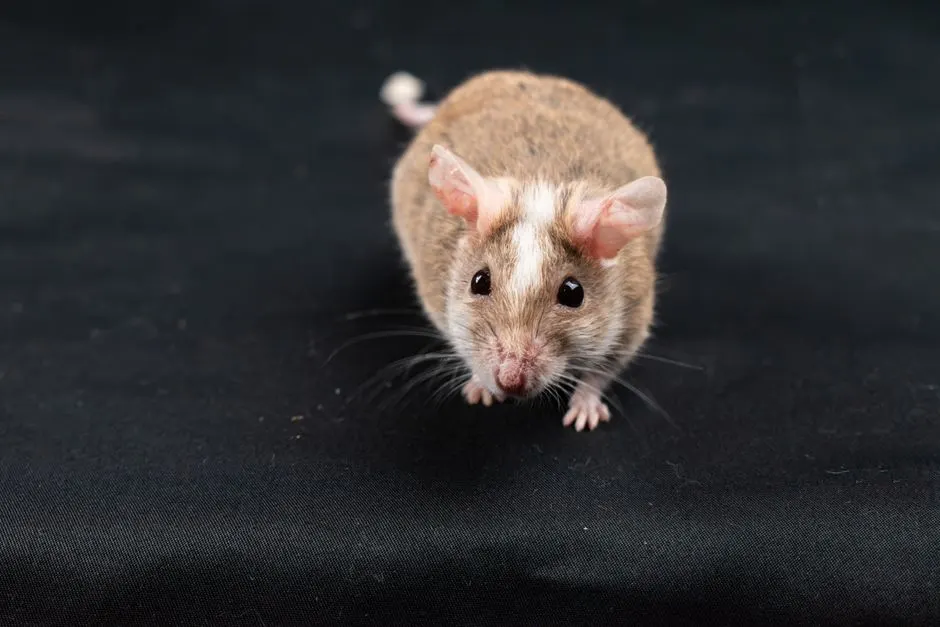
About half an inch long with pointed ends. Look along walls, in the attic, and near pet food.
Grease marks
Dark, oily smears along baseboards, pipes, and holes.
Chewed things
Wires, pipes, boxes, and insulation. Gnawed avocados, oranges, and lemons in the yard.
Nests
Shredded paper, fabric, and insulation in the attic or a garage corner.
Smell
A stale, musky smell in the attic or a closet.
Not sure it is rats?
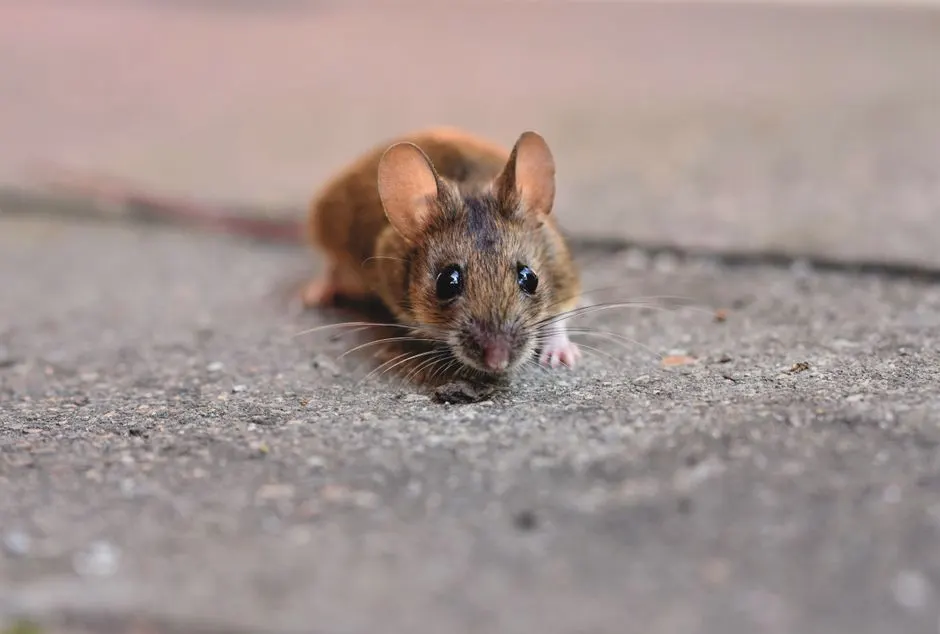
Smaller droppings, about the size of a grain of rice, point to mice. See mice control. Scratching in the daytime is more often squirrels. See squirrel removal.
Can I have rats even if I never see one?
Yes. Rats hide well, and you may only hear or smell them. They are active at night and stay out of sight in attics and walls. Droppings, grease marks, and chewed fruit are often the first clues. People ask this a lot: "We never see any rats, but we keep finding droppings in the attic." That is a real problem. Send us a photo and we will tell you what it is.
How we work
Rat Removal Santa Barbara Homes Need: Our 5 Steps
We do these in order. Skipping one is why rats come back.
 01
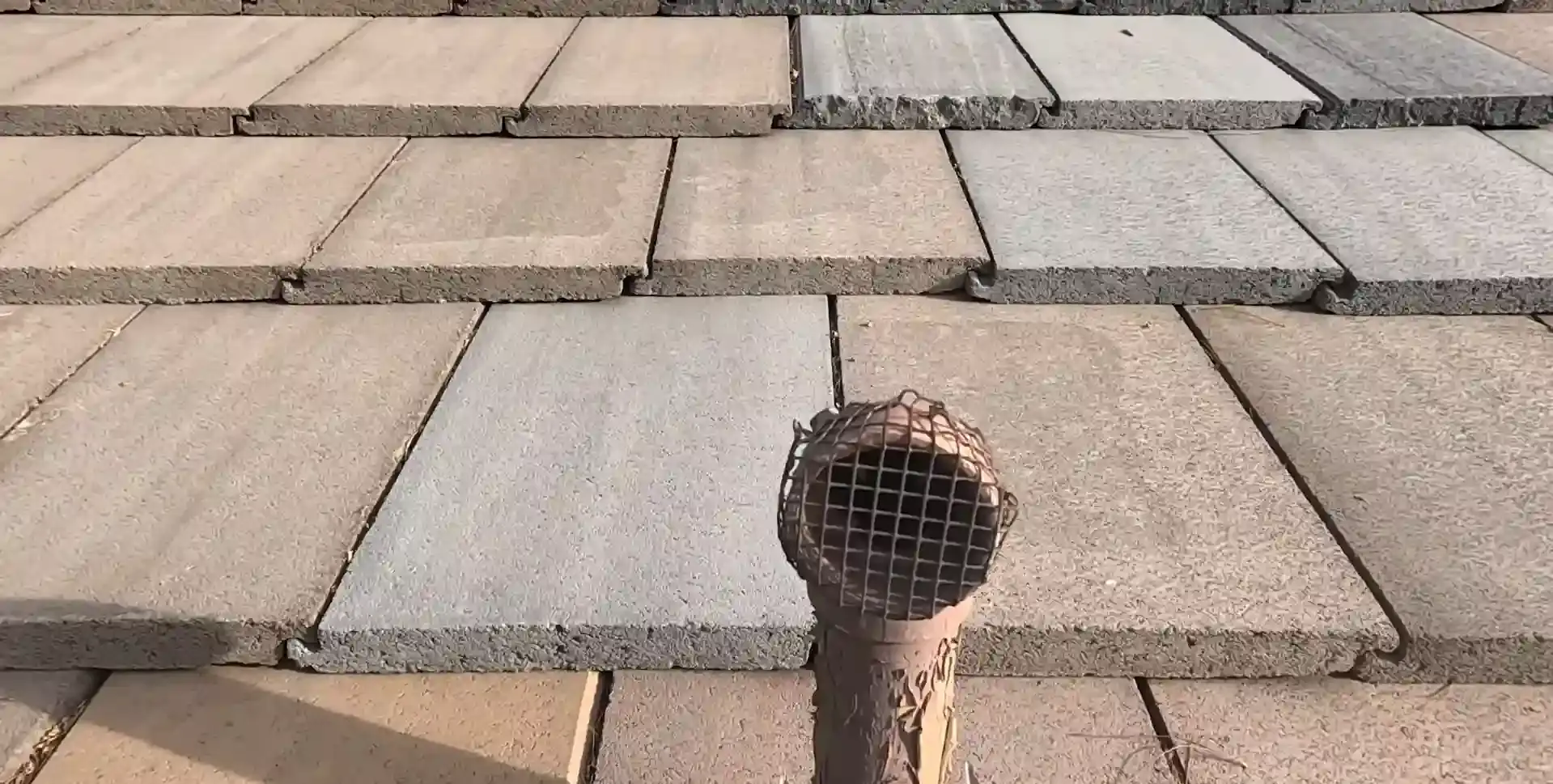
Inspect from the roofline down
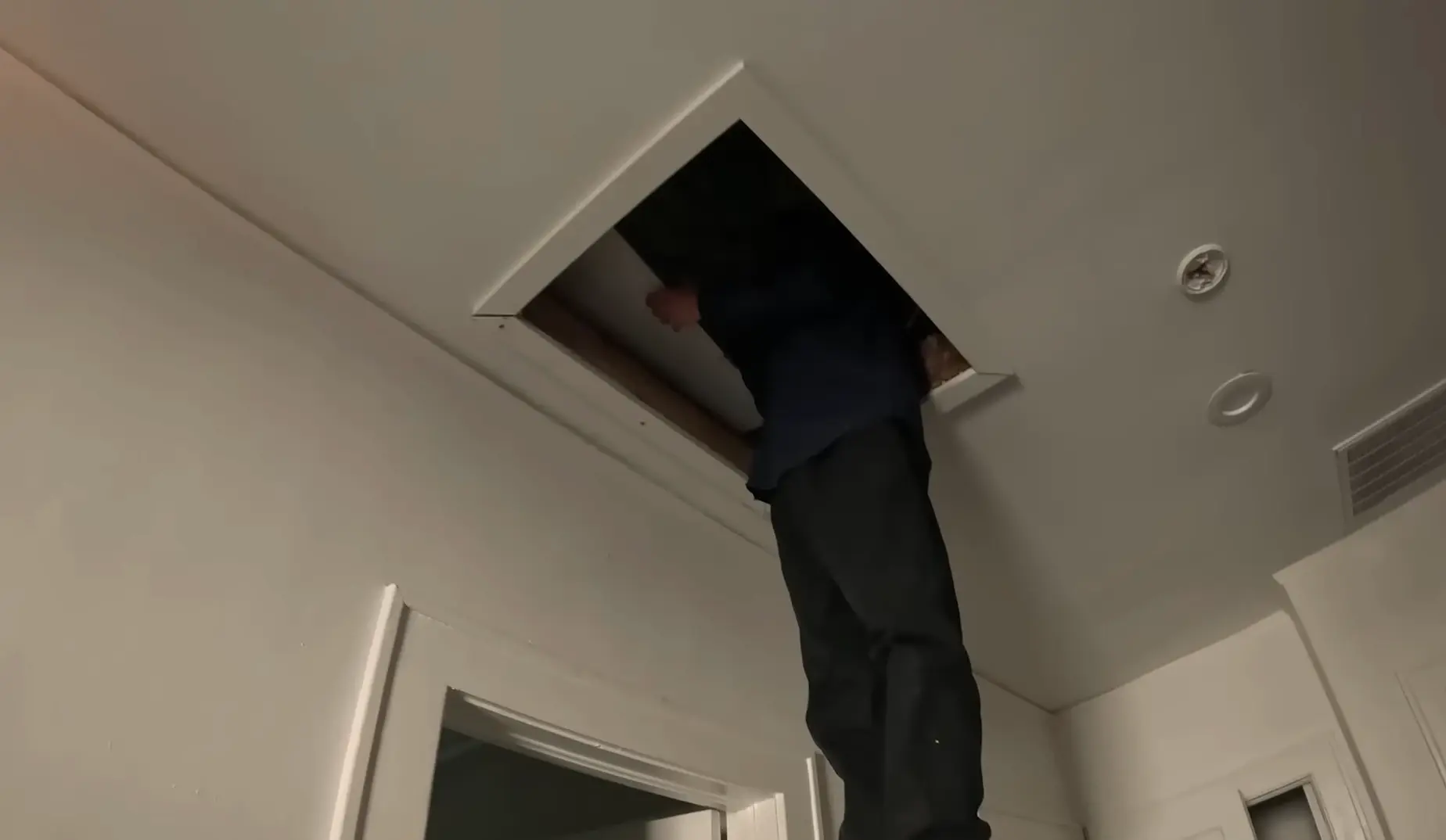
We check the roof, eaves, vents, utility lines, trees, attic, and crawl space. You get photos of every entry point and every sign of activity.
 02
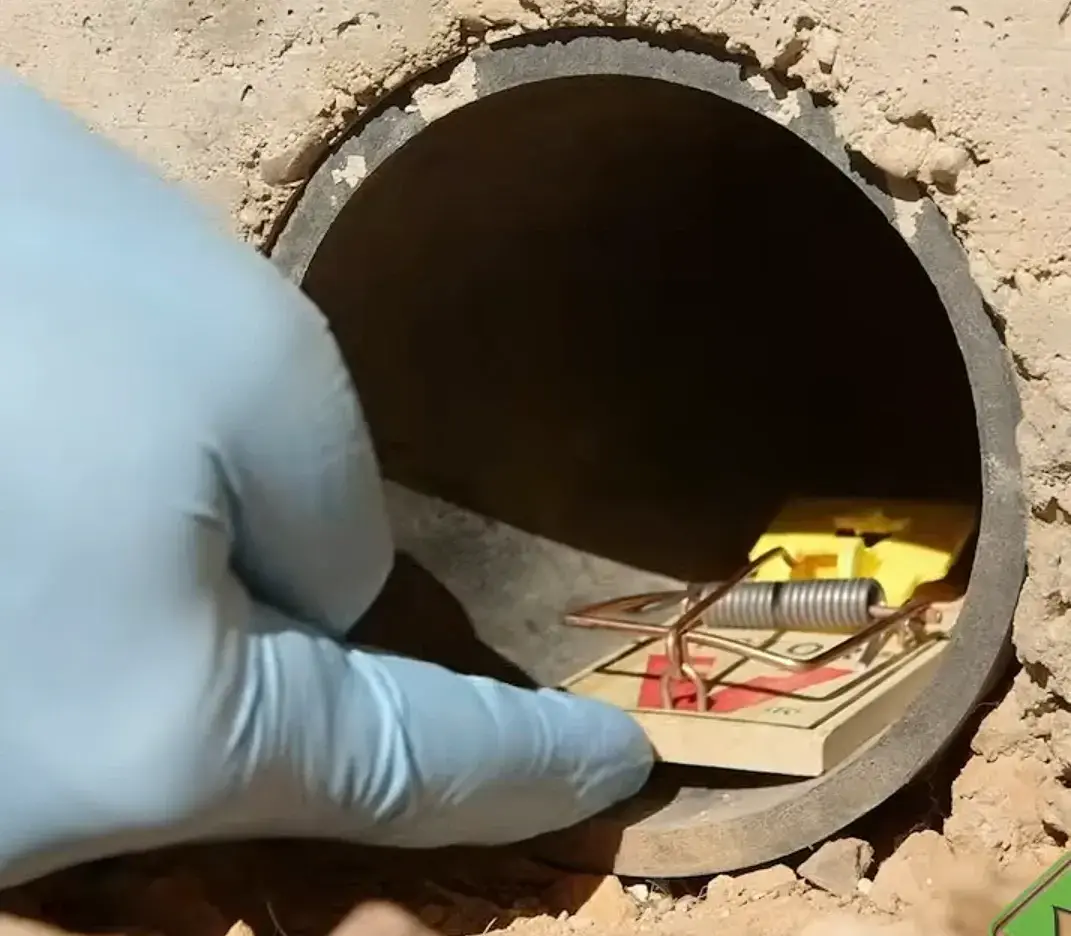
Trap the rats
We place traps along walls, beams, and runways where rats travel. Our technicians check the traps and adjust until they come up empty.
 03
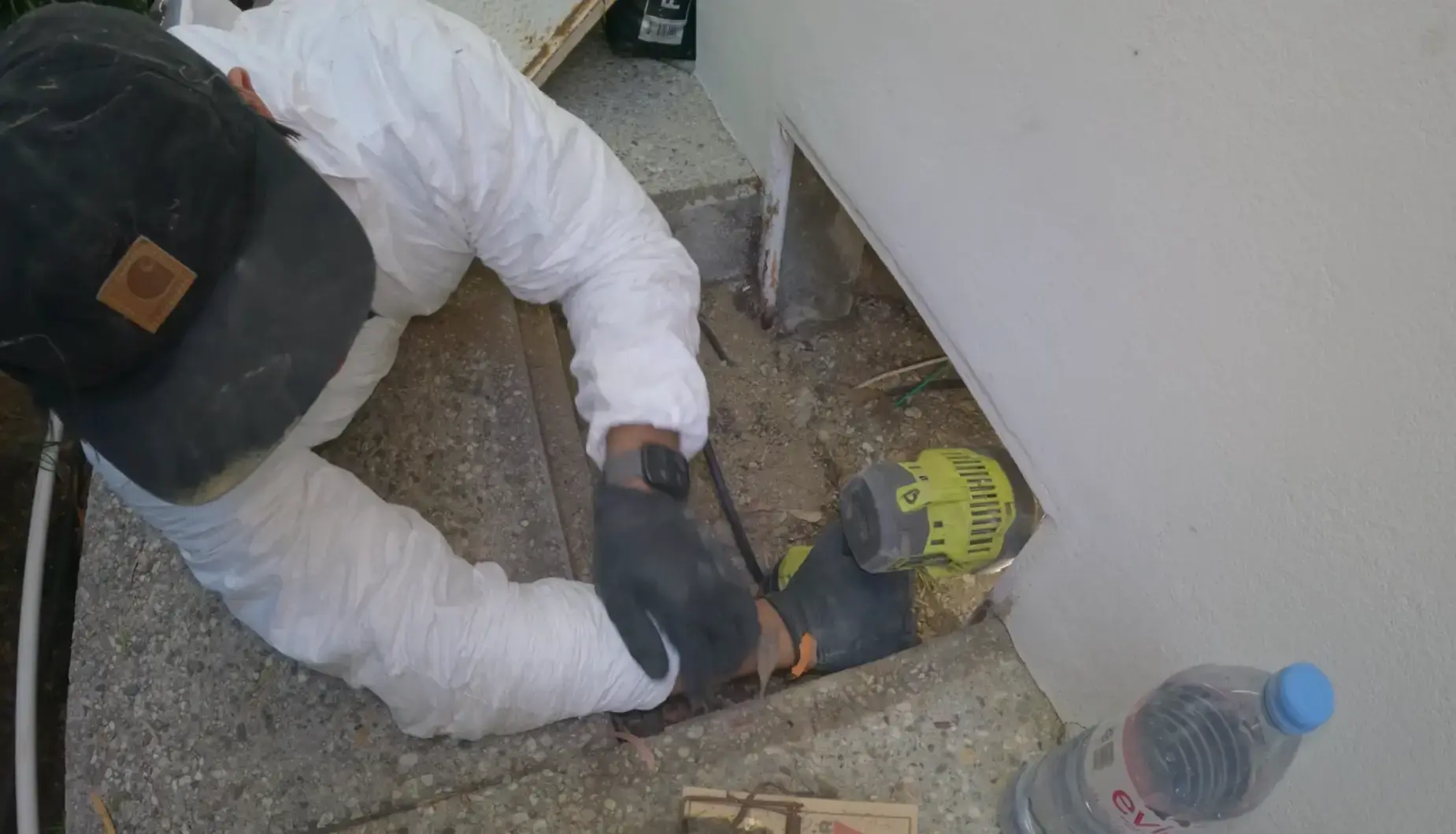
Seal every entry point
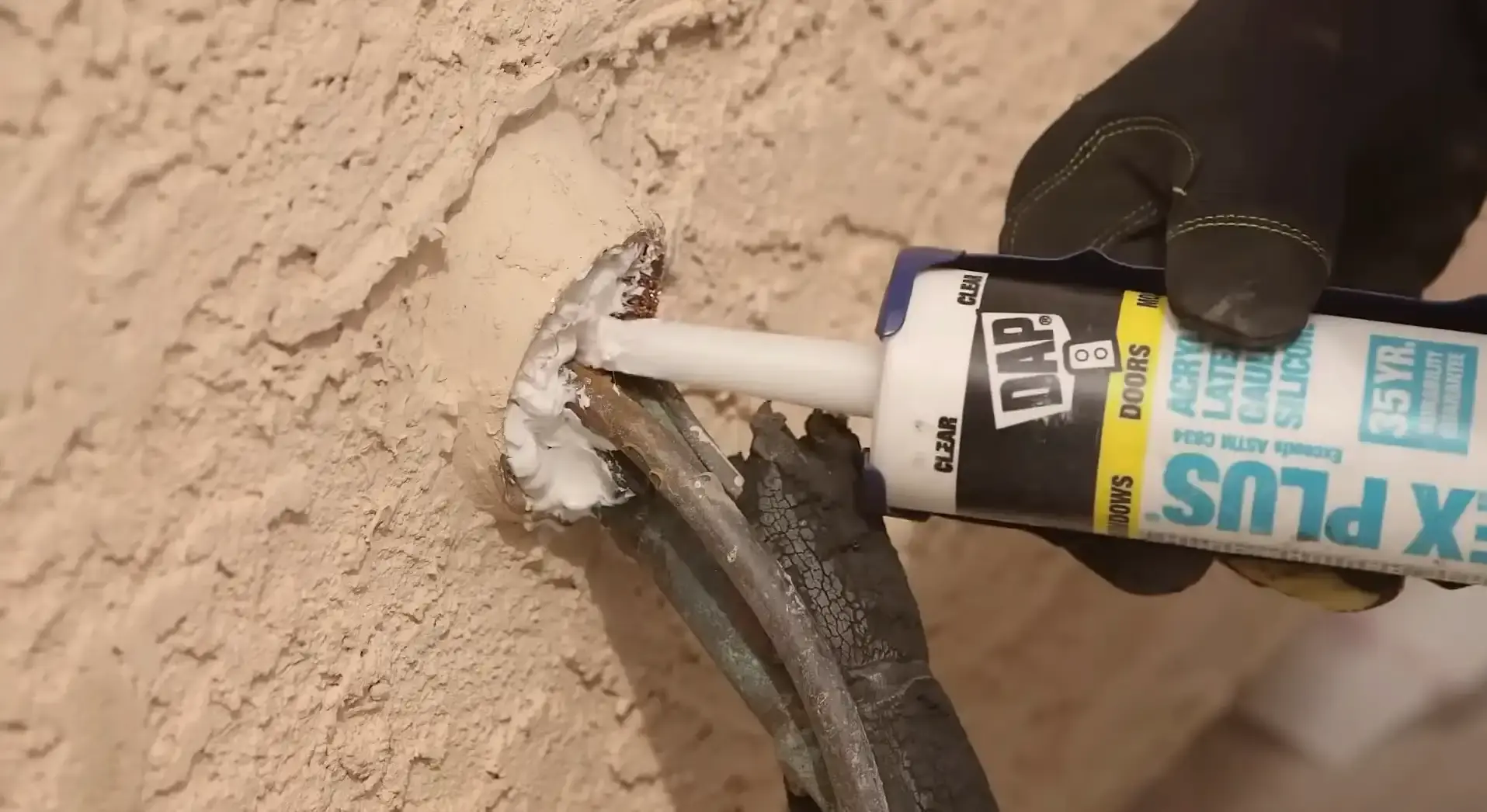
We close gaps with steel mesh, sheet metal, and flashing. Rats can squeeze through a gap of about half an inch, so small gaps count. Foam and caulk alone do not hold.
 04
Clean up and repair
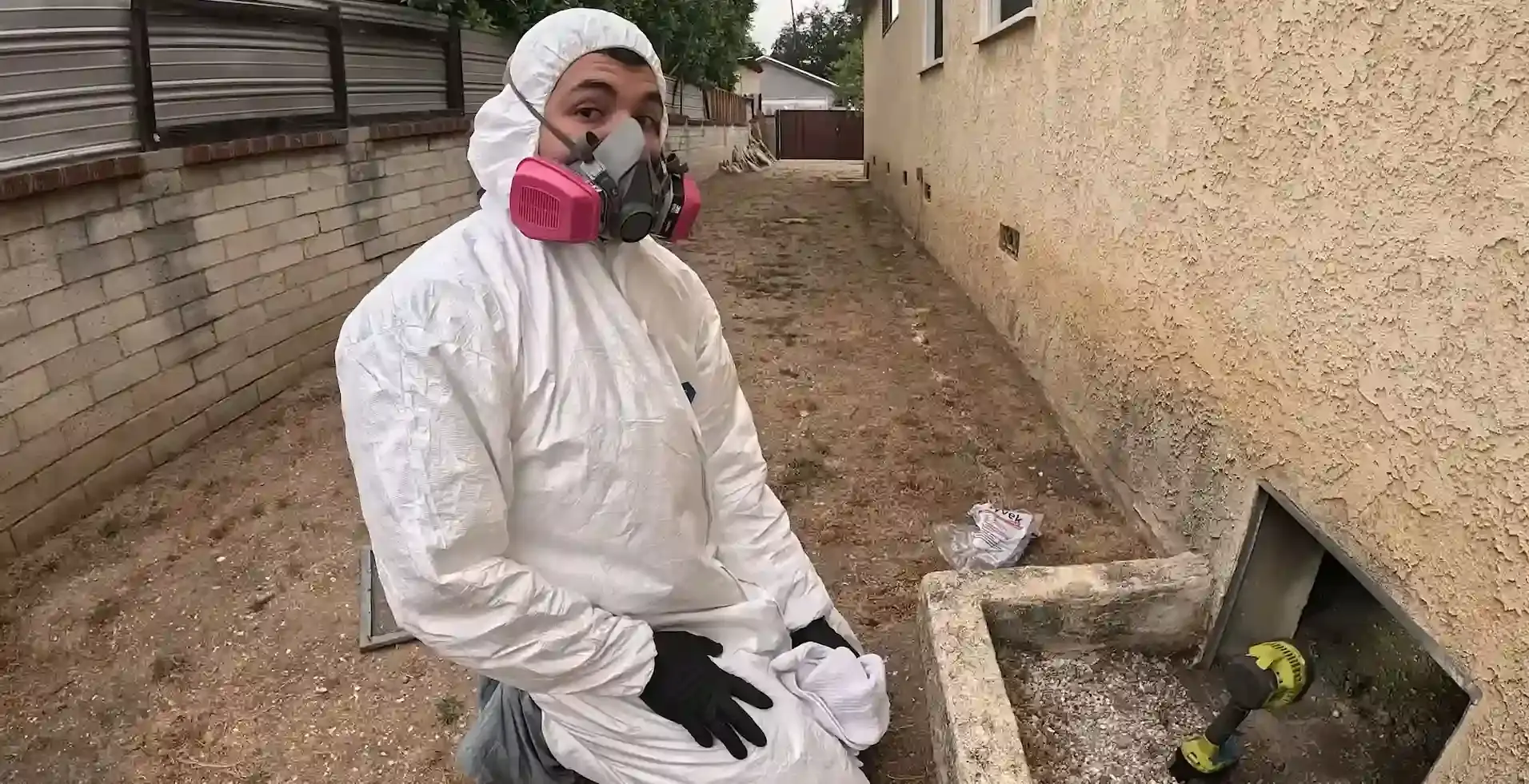
We remove droppings and nesting, sanitize, and fix damaged insulation when needed. Do not sweep dry droppings yourself. See cleanup and insulation replacement and rodent health risks.
 05
Check back
We return to confirm there is no new activity. If a new gap shows up, we seal it.
How long does rat removal take?
Most jobs take one to three weeks. A small problem can clear in a few days. Heavy attic or crawl space jobs take longer. We do not seal until the traps stay empty for several days, so no rat gets locked inside. Sealing the outside work usually takes one to two visits.
What we offer
What's Included in Our Rat Removal
Every rat job follows the same plan, so you know what we are doing and why before any work starts. This is what comes with it.
Inspection and written plan
We inspect the areas we can reach, take photos of every likely entry point, and give you a written scope of work before anything begins.
Active rat removal
Our team members place and monitor the right removal method where rats are active, and keep checking until the traps stay empty.
Entry-point sealing
Our technicians seal the agreed gaps with durable materials such as steel mesh, sheet metal, and flashing, and only after the traps stay empty so no rat is locked inside.
Cleanup and sanitizing
Our technicians remove droppings and nesting material from the areas we worked in and sanitize them.
Yard and home advice
Our technicians show you what to trim, pick up, and store so rats have less reason to come back.
Follow-up check
Our team members return to confirm activity has stopped, go over any remaining concerns, and seal any new gap that shows up.
What you get from us
- Photos of every entry point we find
- A written scope before work begins
- Traps checked until activity stops
- A follow-up visit to confirm it is quiet
Soaked or packed-down insulation can be replaced as an add-on, quoted separately. See rodent cleanup and insulation replacement.
Santa Barbara rodent control
Rat Exterminator in Santa Barbara or Just Traps? What Actually Works
You have a few choices. Here is how they compare.
Snap and enclosed traps
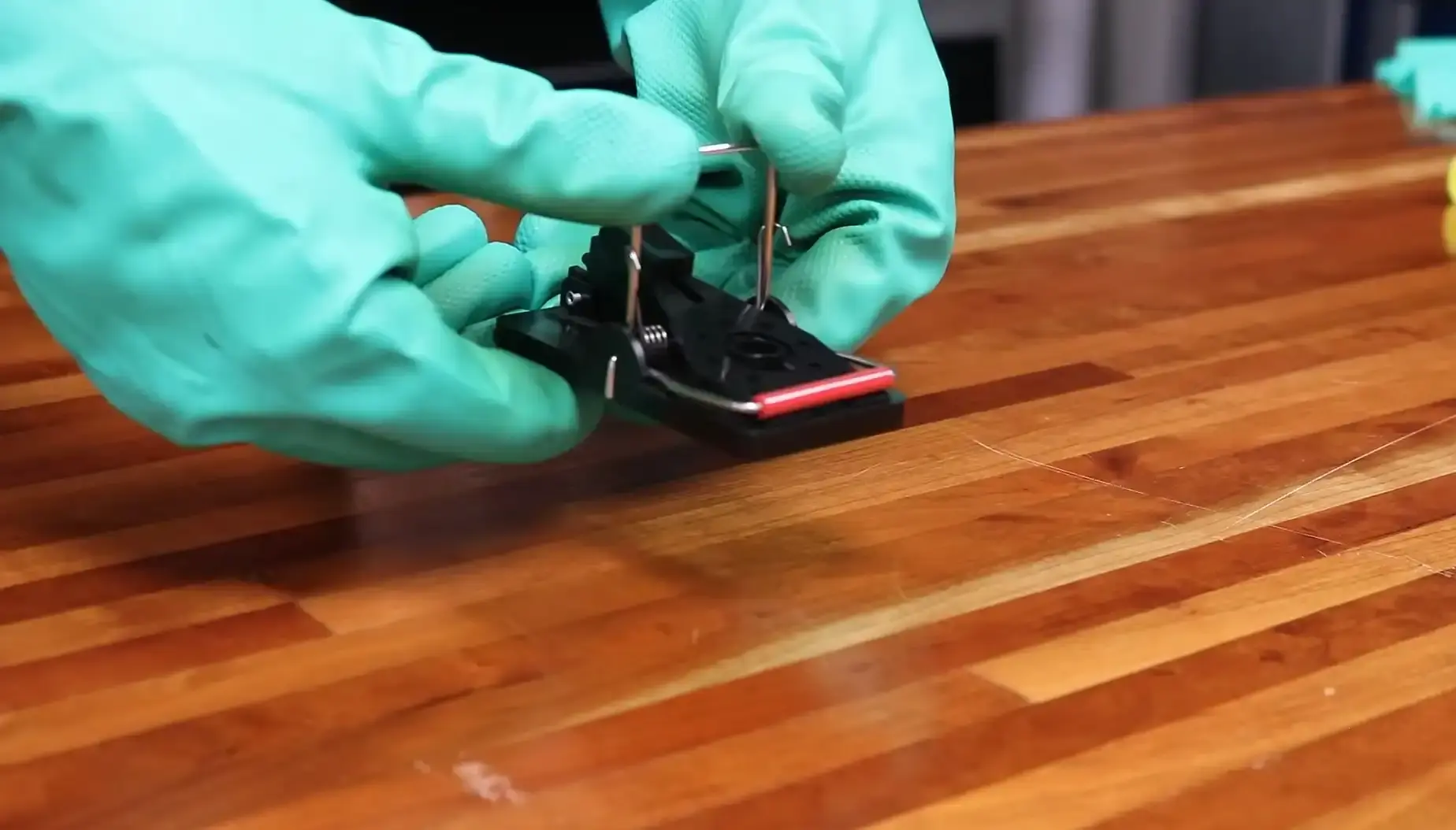
Traps remove the rats that are in the home right now, and they are safe for pets and children when they are placed in the right spots and checked often. On their own they do not close the gaps rats use to get in, so new rats can move in after the first ones are gone. That is why traps work best as the first step of a plan, not the whole plan.
Sealing entry points (exclusion)
Rats can squeeze through a gap of about half an inch, so closing those gaps with steel mesh, sheet metal and flashing is what keeps them out over the long run. It is done after the trapping is finished, so no rat is sealed inside. This is the part that lasts, and it is why trapping and sealing belong together. See rodent exclusion and proofing.
Bait and poison
Poison works slowly, and a rat that eats it can die inside a wall or attic, where the smell can last for weeks until the source is found. Pets and wildlife can also be harmed if they eat the bait or a poisoned rat. It does nothing about the gap, so more rats can follow.
Repellents and sound devices
Sprays, scents and ultrasonic devices may keep rats away from one spot for a short time, but rats tend to get used to them. A rat will still use an open gap to reach warmth, food and shelter. They are not a substitute for removing the rats and sealing the way in.
A good rat exterminator in Santa Barbara does the first two together. If a company offers only bait or a monthly visit with no sealing, ask why.
Is rat removal safe for my dog or cat?
Yes. We use closed traps instead of open bait, so pets are not exposed. Keep pets away from traps until we finish. If you think your pet ate rat poison, call your vet or a pet poison line right away, even if it looks fine.
Santa Barbara rodent control
What Happens to the Rats We Catch
Rats we catch are not released. Roof rats and Norway rats are not native to California. A rat dropped off in another neighborhood keeps chewing and breeding there, or finds its way back, and the same happens if you catch one alive and let it go in your yard. Pest guidance from the University of California says not to relocate trapped rats.
Quick, not drawn out
We use traps that work fast, and we check them on a set schedule so no rat is left waiting.
No poison left in your walls
Our team does not rely on poison. A rat that eats bait can die inside a wall, where the smell lasts for weeks. If one dies in a wall anyway, see dead rat smell removal.
Safer for pets and wildlife
A pet, a hawk or an owl can be poisoned by eating a rat that took bait. California now limits the strongest rat poisons for this reason.
Handled with gloves and sealed
Every rat and used trap is handled with gloves, sprayed with disinfectant, sealed in a bag, and placed in a second sealed bag before it goes in the trash. Our technicians do not leave a rat in your attic or yard.
Nests and young go with the nest
If a nest has young in it, we remove the whole nest so nothing is left to die in the wall.
The crew counts what we catch
The count tells us when activity is slowing. The crew seals the entry points only after the traps stay empty for several days.
Catching is only half the job
Traps remove the rats that are in your home. Sealing the entry points keeps new ones out. That is why every trapping job here ends with metal over the gaps.
Why choose us
Why Choose Us for Rat Removal
Most complaints about rat companies come down to the same few things. Here is how we handle them.
| What matters | Common shortcut | How we do it |
|---|---|---|
| Sealing | Traps only, with the holes left open | Every gap closed with steel mesh, sheet metal or flashing |
| Proof | "Trust us, we looked around" | Photos of every entry point and every sign of activity |
| Poison | Bait first, with rats dying in the walls | Traps and sealing come first, with no bait left out |
| The quote | A vague price that changes | A written quote before work starts |
| After the job | Done once the traps come out | We come back to confirm it is quiet, and we seal any new gap |
What we offer
What Affects the Price of Rat Removal
Every house is different, so we price the job after we see it. Four things move the number most:
Roof height and type
A tall tile roof needs more time, safety gear and equipment to reach every edge than a low flat one. Roof rats often get in at the roofline, so much of the work happens there.
How many entry points we find
Each gap we seal takes metal, labor and a check afterward. A few small gaps take less than a dozen, and you see a photo of each one before the quote.
How many rats there are
A small problem may clear in a few trap checks, while a bigger one needs more visits until the traps stay empty. We do not seal until the activity stops.
Cleanup and insulation
Cleanup and new insulation are only added if the attic needs them, and they are quoted separately. You decide whether to add them after seeing the photos.
You see the full price in writing before any work starts
Be careful with a very low price that leaves out sealing, because the rats usually come back.
Where we work
Where We Do Rat Removal in Santa Barbara
We work across the South Coast. That includes Goleta near UCSB and Hollister Avenue, Isla Vista, The Mesa near SBCC, The Riviera, Mission Canyon, Downtown, Montecito and Coast Village Road, Hope Ranch, Summerland, and Carpinteria.
- Roof rats are most common where trees and brush reach the roofline, such as the Mesa, the Riviera and Mission Canyon.
- Our technicians also work on yards near creeks in Oak Park and Upper State and San Roque, orchard edges in Goleta, and large lots in Hope Ranch.
Santa Barbara rodent control
How to Book Rat Removal
Booking takes a few minutes, and you do not need to know what kind of rodent you have. Here is how it works, from the first call to the visit.
- 01
Call Us: (805) 429-3801, or send a photo with the form
The planning call is free. We are open Monday to Saturday, 8 AM to 6 PM.
- 02
Tell us what you hear or see
Our technicians help you work out whether it is rats, mice or something else.
- 03
Our team members inspect and send you a written quote
You get photos of what we find, and the price is in writing.
- 04
You approve it, and we schedule the work
Nothing starts until you say yes.
How do rats get into a house?
Through gaps most people never notice. Rats use cracks under roof tiles, open eaves, vents, and holes around pipes and wires. Roof rats also walk along branches, fences, and power lines to reach the roof. A rat can fit through a gap of about half an inch. Finding every one takes a full inspection, from the roofline down.
Can I get rid of rats myself?
You can catch a few, but it rarely solves the problem. Traps set the wrong way can make rats trap-shy, so they avoid them later, and traps do not close the holes. Peppermint oil and ultrasonic repellers do not last either. Strong smells bother rats for a day or two, and sound devices do not stop a hungry rat from using an open gap. Most people who try it for weeks still end up calling a pro. If you try it yourself, wear gloves and keep pets away from traps.
What keeps rats from coming back?
Sealing every entry point, removing food and nesting spots, and trapping what is inside. Traps remove the rats that are in the house, but they do not stop new ones from using the same gap, and rats follow scent trails back to old entry points. If a company only sets traps, expect a repeat. Close the gaps with metal, store pet food and bird seed in closed containers, pick up fallen fruit, and trim branches off the roof. Then check back for new gaps.
What can I do if my neighbor's yard is feeding rats?
Talk to them first, then keep records and ask for help. Take dated photos of droppings, burrows or feeders, and ask other neighbors whether they see rats too. If it does not stop, contact your HOA or the city, or ask the Mosquito and Vector Management District of Santa Barbara County what help it offers. Even then, sealing your own house is what keeps the rats out.
How much does rat removal cost in Santa Barbara?
It depends on the roof, the number of gaps, the size of the problem and how much cleanup you need. We give you a written quote after the inspection, and you see the full price before work starts. Trapping-only visits cost less but often bring the rats back. See "What Affects the Price" above.
Do I need to be home during rat removal?
No, in most cases. We can work with a lockbox, a code, or your property manager. Our technicians send photos of what they find and fix the same day. This helps owners of second homes in Montecito, Hope Ranch, and Summerland. The quote needs your approval first.
Santa Barbara rodent control
Roof Rats or Norway Rats: Which Ones Do You Have?
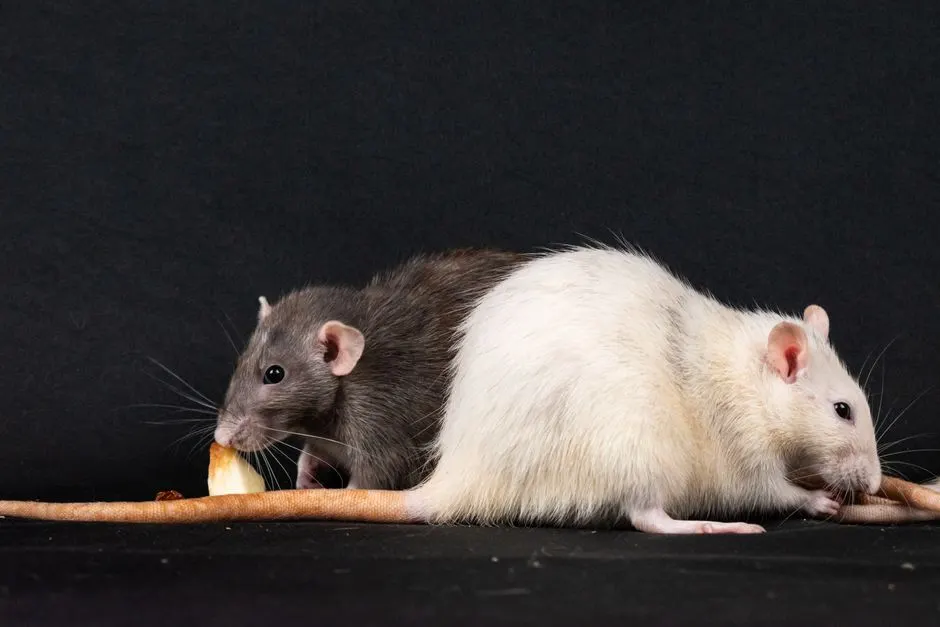
Two kinds of rats live along the South Coast, and the plan changes a little for each.
Roof rats
are slim, long-tailed climbers. They live in palms, ivy and trees, then move into attics and upper walls. Full guide: Roof Rats.
Norway rats
are heavier. They dig burrows by foundations and under decks, and they use crawl spaces. Full guide: Norway Rats.
Hear it in the attic? Think roof rats. See burrows by the foundation or hear it under the floor? Think Norway rats, and see our crawl space page. The core fix is the same: remove the rats and seal every gap. We just look in different places first.
Why it happens
Why Rats Pick Your Santa Barbara Home
Rats want three things: food, water, and a safe place to nest. Santa Barbara yards offer all three. Palms, ivy, and thick shrubs give them cover. Avocado and citrus trees give them food. Bird seed, pet bowls, and open trash cans add more.
Location matters too.
- Homes near creeks like Mission Creek, in the foothills around Mission Canyon, and out toward Hope Ranch sit close to good rat habitat. Many local houses also have clay tile roofs.
- The gaps under the tiles and along the eaves are easy ways in.
Sometimes the cause is next door, such as a neighbor's feeder, a shared fence line or a nearby dumpster, and a tidy yard cannot beat that alone.
- Only your side of the property can be fixed, so our team seals every gap on your house and tells you what they see outside. Rats also multiply fast.
- The University of California says a roof rat usually has 3 to 5 litters with up to 8 young each, so acting early keeps the job smaller (UC IPM).
More ways we help
Our Other Rodent-Control Services
Rodent Exclusion & Proofing
Sealing the gaps rodents use with metal so they stay out.
View this service →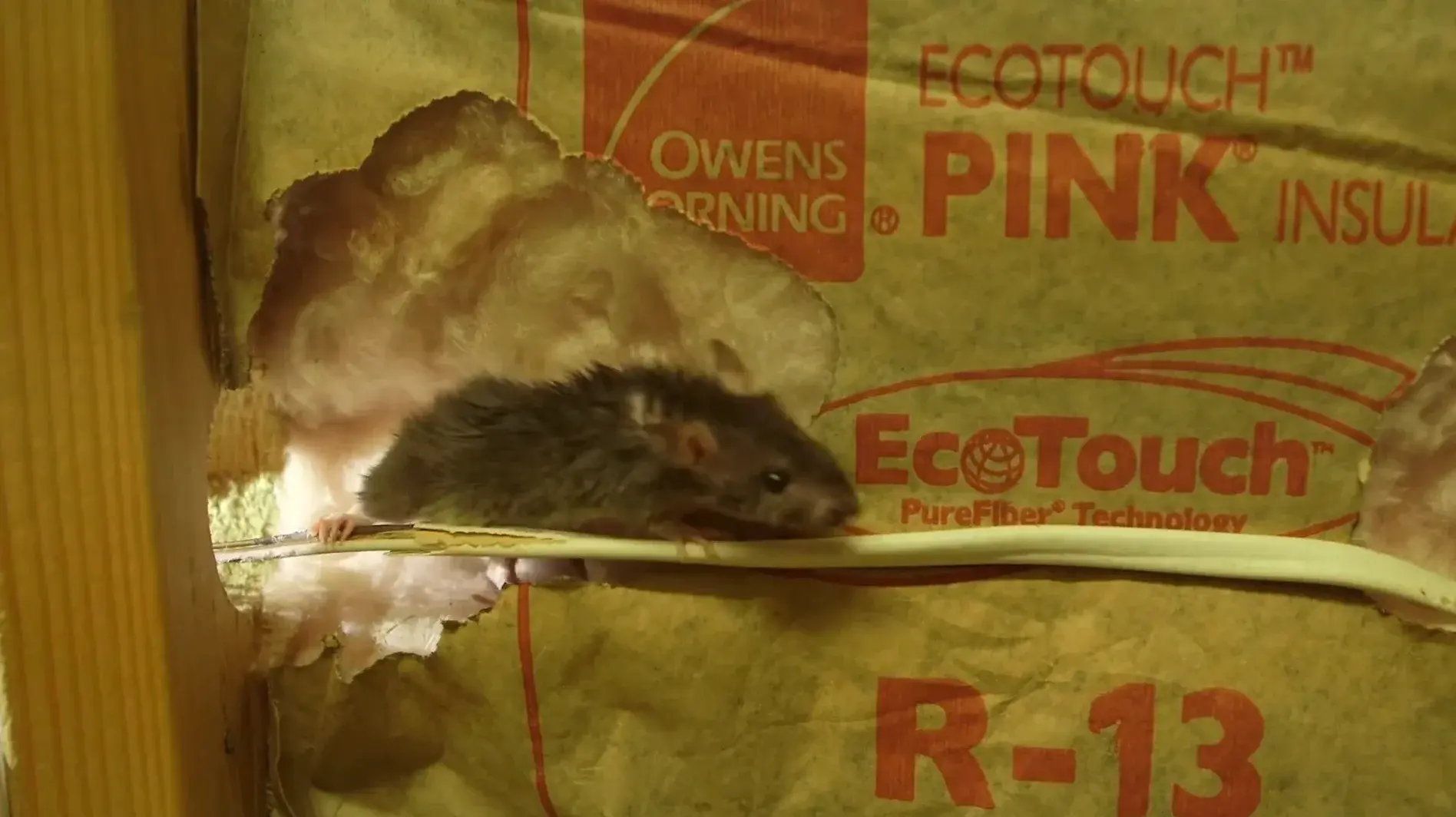
Attic Rodent Removal
Rats and mice out of the attic, with cleanup.
View this service →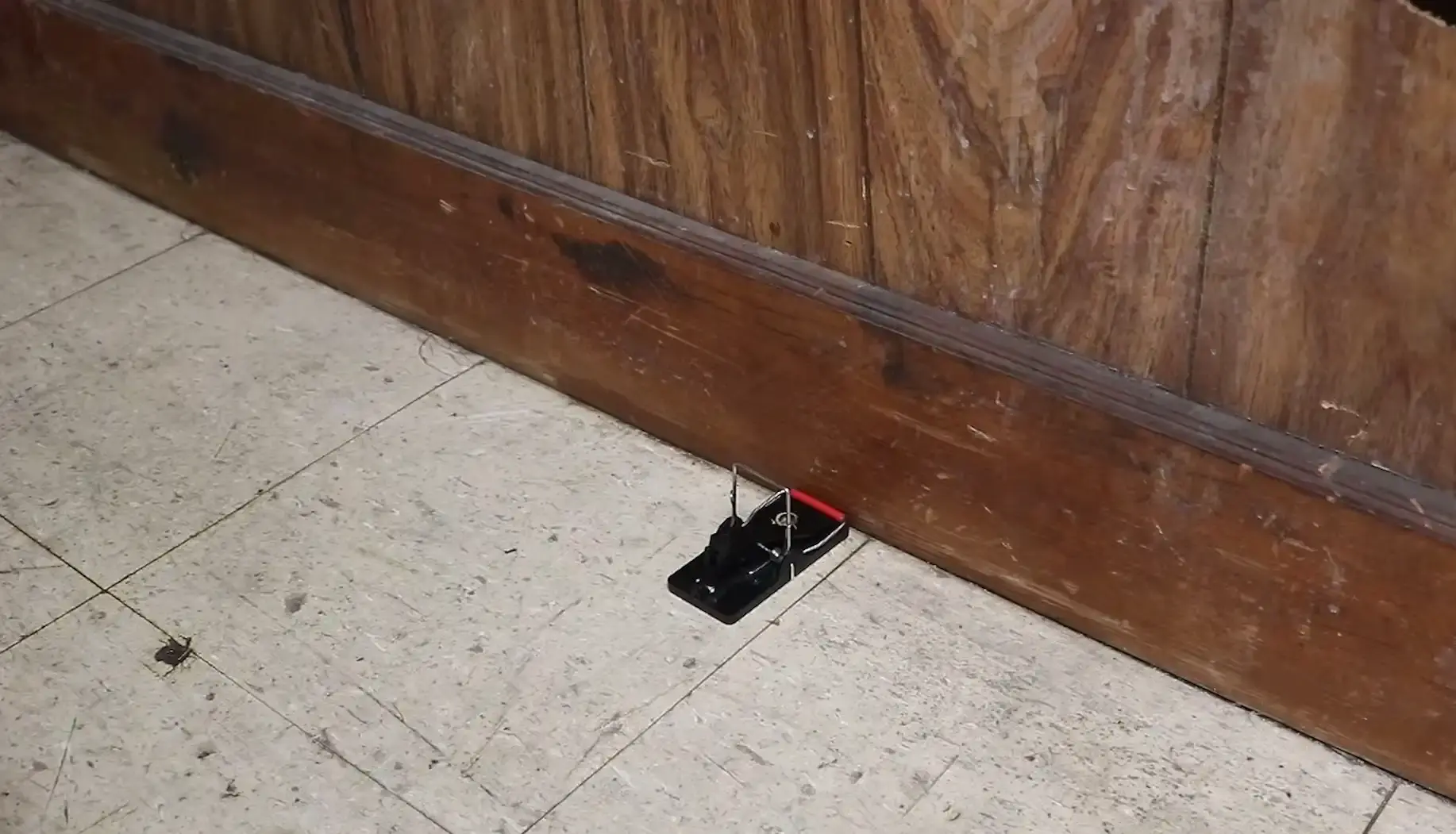
Vacant & Second Homes
Checks and sealing for empty and second homes.
View this service →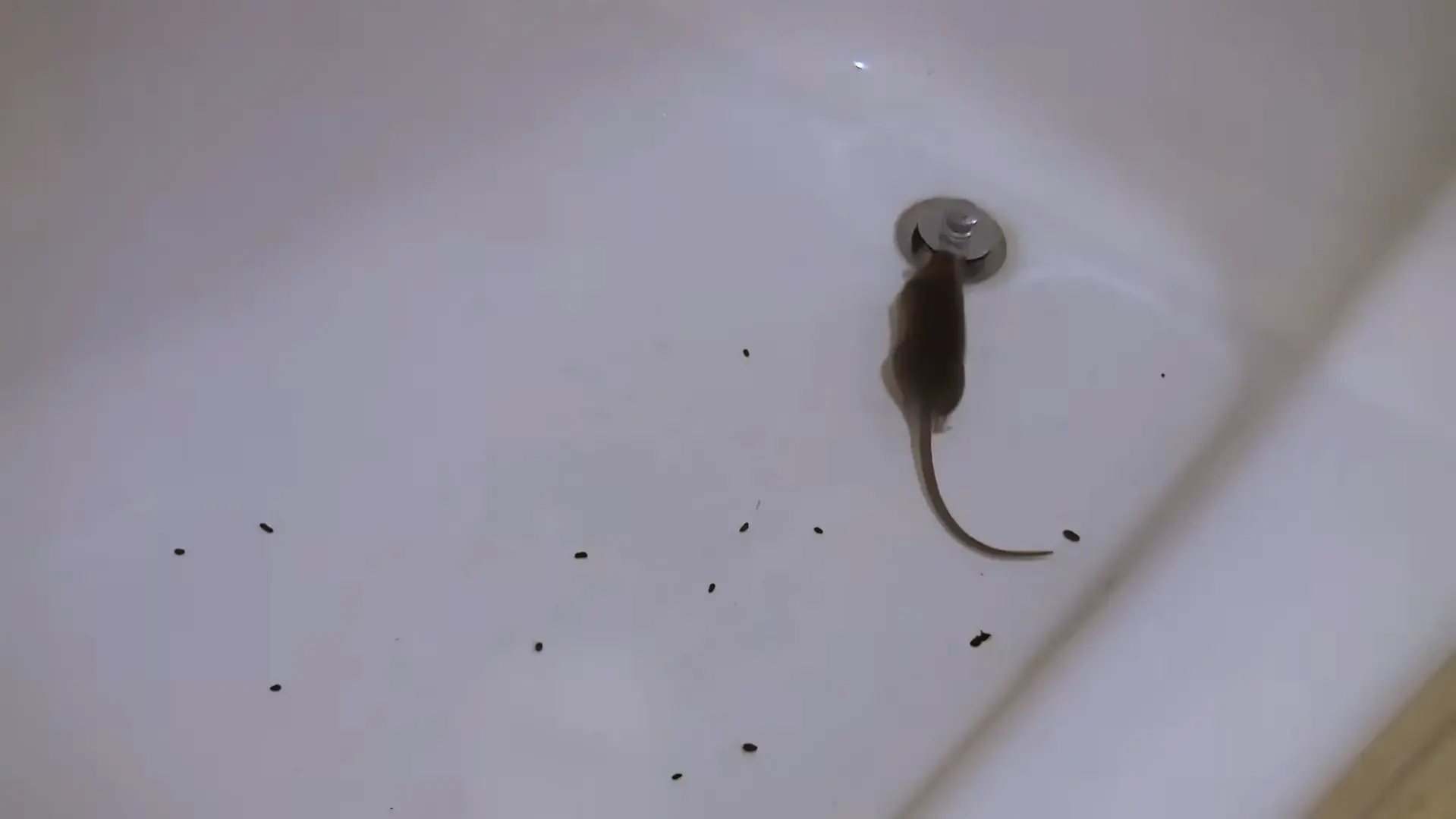
Mice Control
Trapping and sealing for house mice and deer mice.
View this service →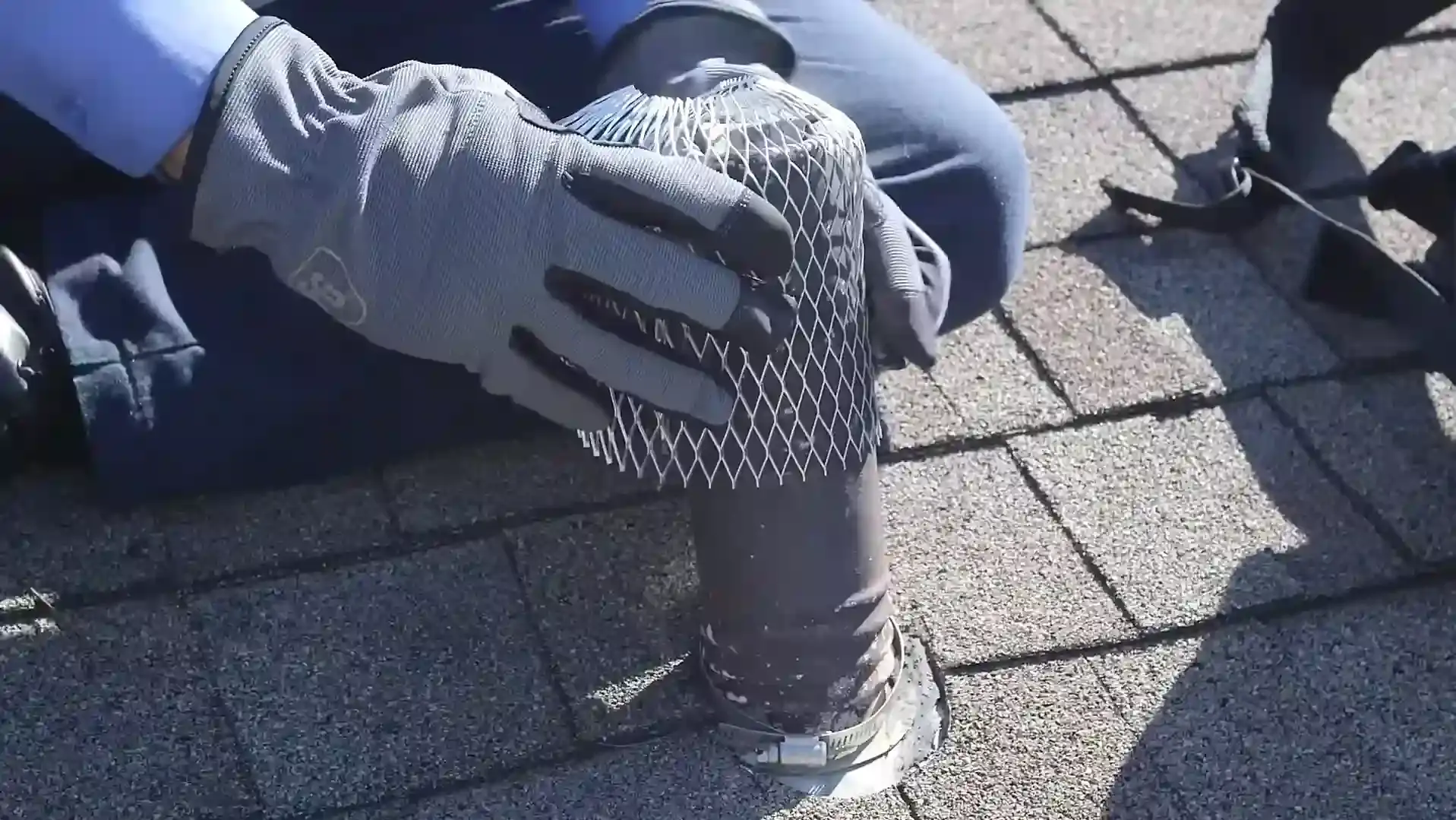
Squirrel Removal
Humane, legal squirrel removal and roof sealing.
View this service →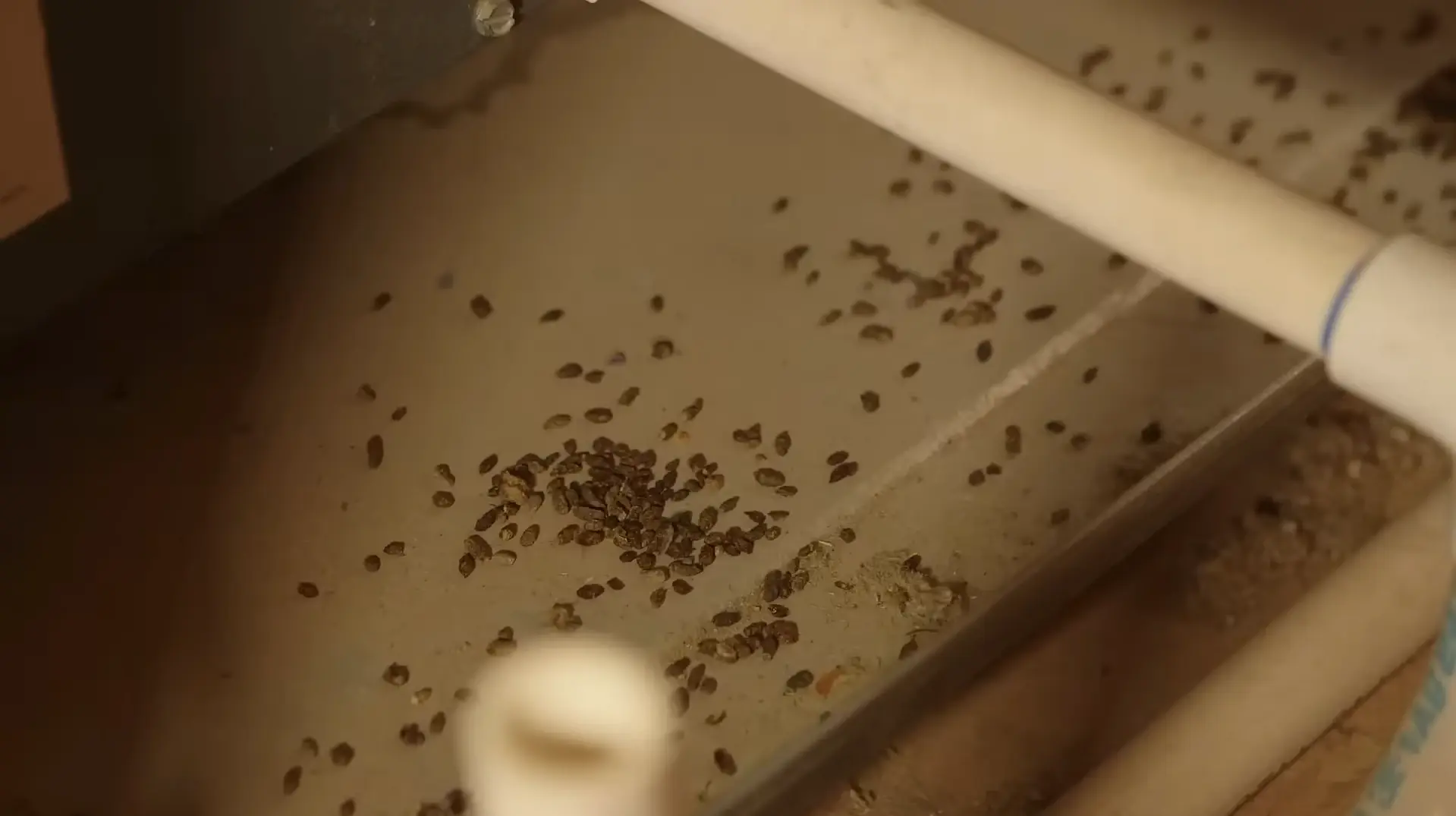
Cleanup & Insulation
Safe droppings cleanup and insulation replacement.
View this service →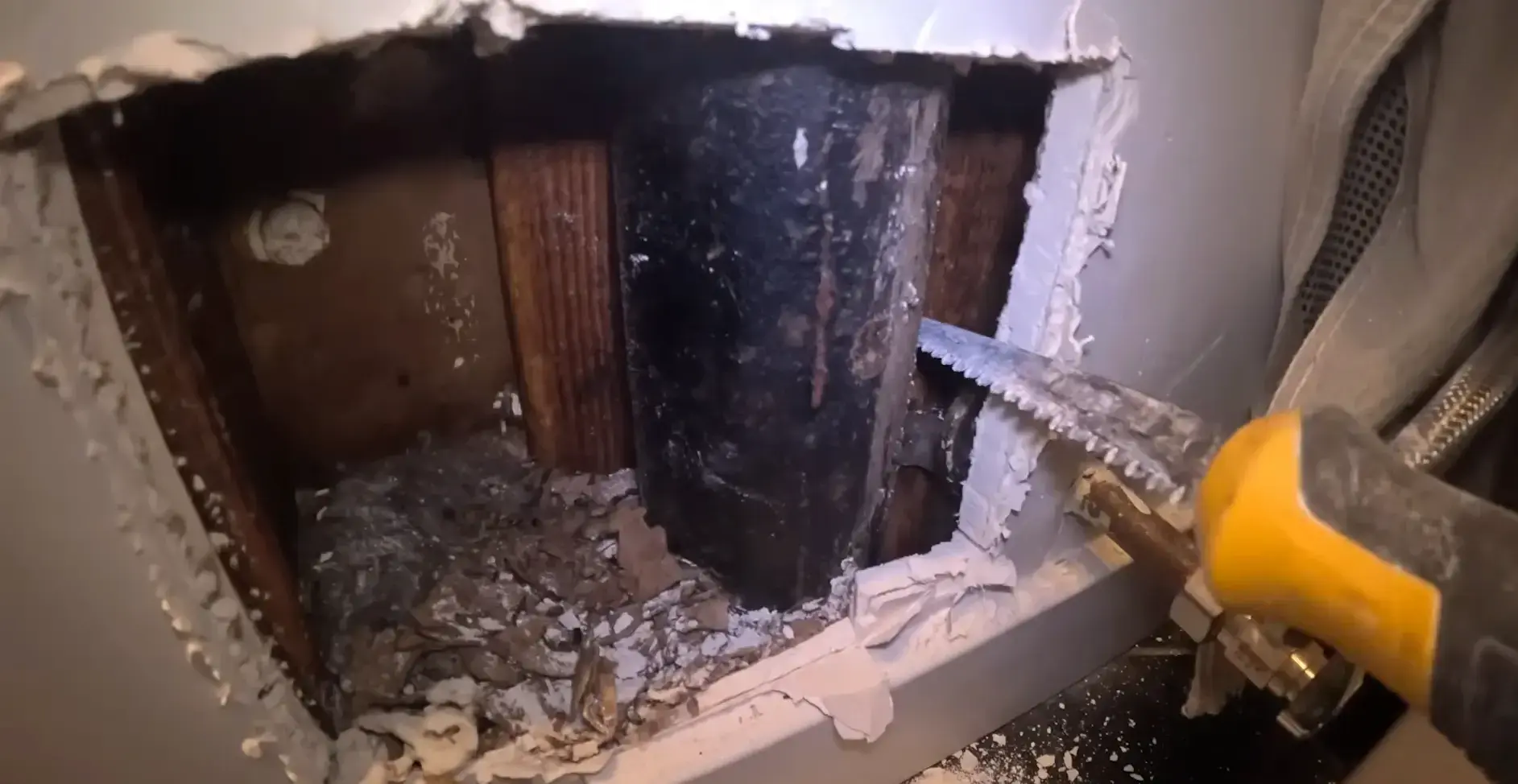
Dead Rat Smell Removal
We find and remove the source of a rotten smell.
View this service →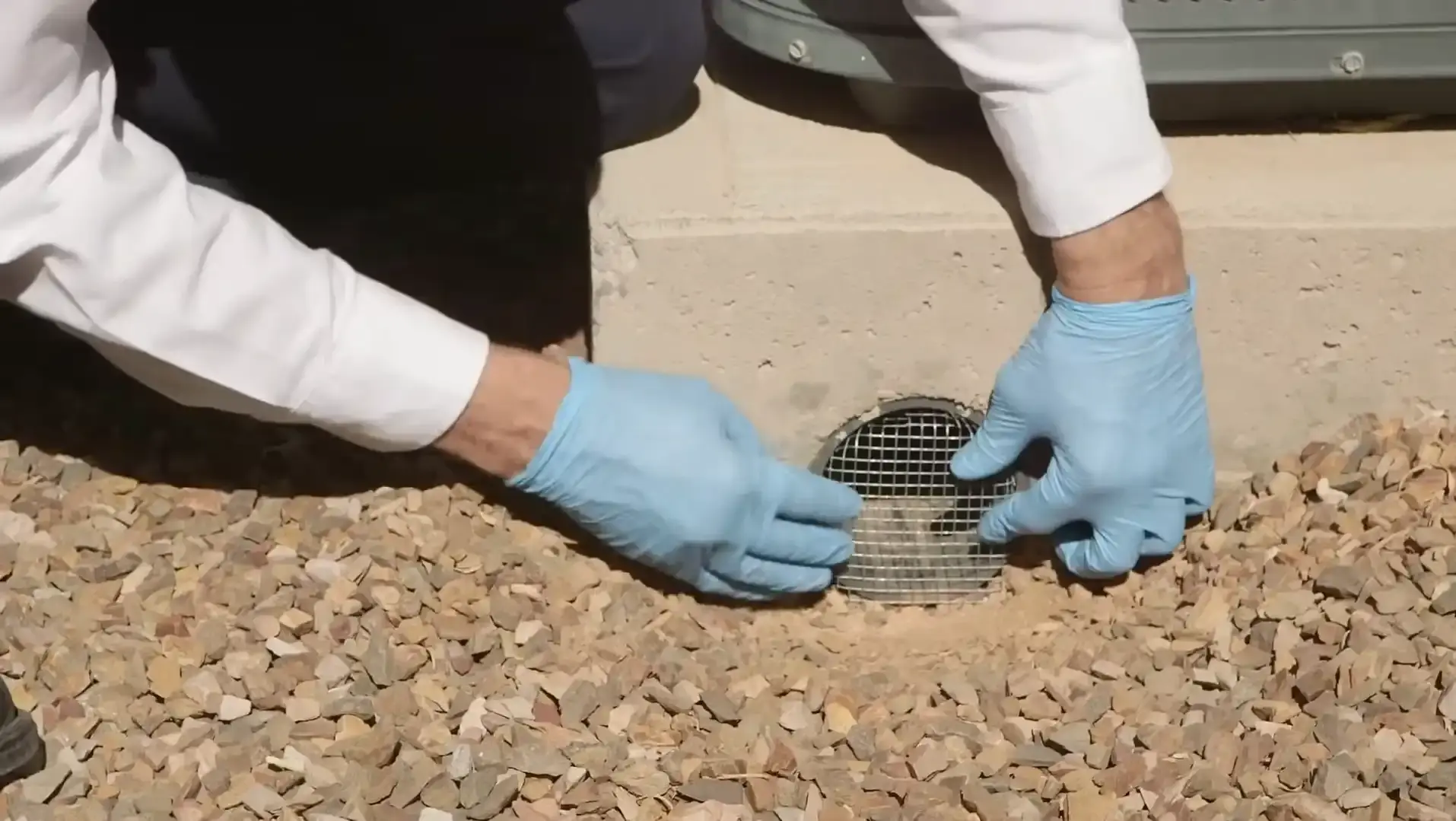
Crawl Space Control
Rodents out from under the floor, with vents and gaps sealed.
View this service →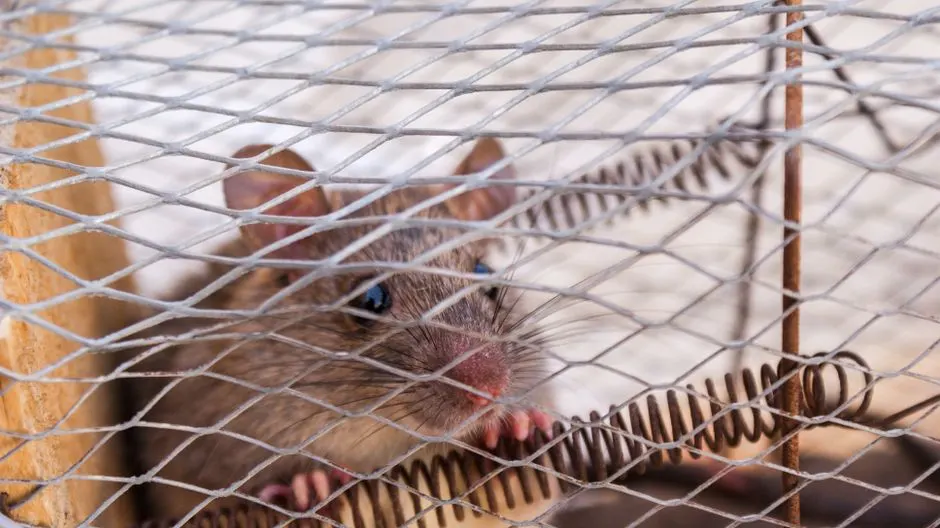
Commercial Control
Discreet control for restaurants, shops, hotels and offices.
View this service →
Airbnb & Vacation Rentals
Fast response and reports for vacation rental hosts.
View this service →
Property Managers & HOAs
Building-wide control for landlords and HOAs.
View this service →Show us what you found
Hear running overhead? Send us what you found
Roof rats and Norway rats leave different clues. Photos of these five things help us tell which one you have and where to start.
- 1Droppings
Where you found them, and a coin or ruler beside them for size. Rat droppings are larger than mouse droppings.
- 2Rub marks
Dark greasy smears along beams, pipes, fence tops or the base of walls.
- 3Chewed items
Gnawed wires, wood, pipes, or fruit with holes in it on the tree or the ground.
- 4Your roofline
Eaves, vents and any branches, palms or ivy touching the roof.
- 5When you hear it
Time of night and where in the house. A short note is enough.
Ready when you are
Ready for Rat Removal in Santa Barbara?
Do not wait for the noise to get worse. Call us. Same-day or next-day visits are often possible. You can also email a photo of what you found. Our team will tell you what we found, how the rats are getting in, and what it will take to fix it.
- Call us(805) 429-3801
- Emailrodentshieldsantabarbara@gmail.com
- Office716 N Milpas St, Santa Barbara, CA 93103
- HoursMonday to Saturday, 8:00 AM to 6:00 PM