

Rodent Shield Santa Barbara
Rodent Control Mission Canyon, CA — Foothill Rats & Mice
Serving Mission Canyon Road • Foothill Road • Rocky Nook • Tunnel Road. Oaks, creeks and open hills send rats to the roof. We remove them, seal the attic and walls, and work on steep, narrow lots. Same-day or next-day visits are often available.
Why it happens
Rat Removal Mission Canyon: Why Foothill Homes Get Roof Rats
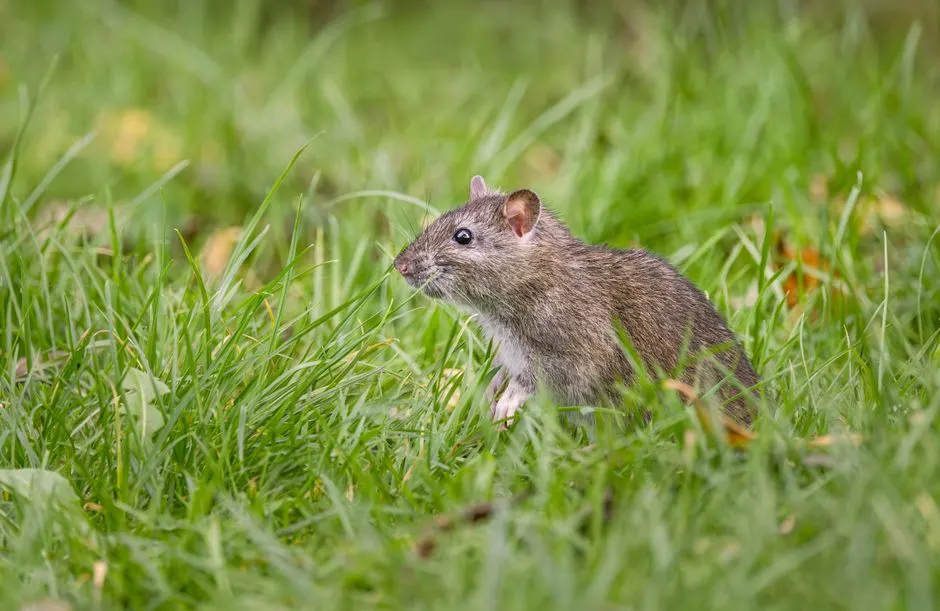
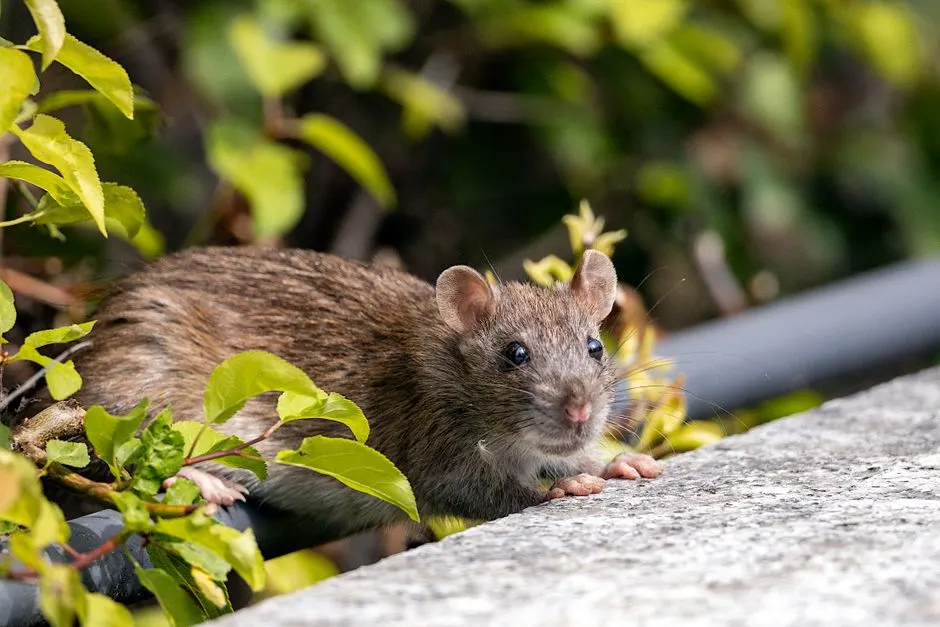
Rat removal in Mission Canyon is mostly about roof rats. They love thick trees, ivy and the dense brush that runs up the canyon. A branch touching a roof or a vine up a wall is a bridge straight into the attic. Mission Creek and the creeks that feed it add water close to many homes.
Homes near Mission Canyon Road, Foothill Road and the streets around Rocky Nook Park often have mature landscaping on every side. That is good for privacy and bad for rat control. Rats can move from yard to yard through the treetops without ever touching the ground.
How do I know if I have rats in my attic in Mission Canyon?
Listen for scratching or running at dusk and check for droppings near vents. Rats are most active at night, so sounds come after sunset. You may also see greasy marks on beams and chewed wires. A smell of ammonia in the attic is another sign.
Santa Barbara rodent control
Rats in the Attic, Mission Canyon: What They Do Up There
Rats in an attic in Mission Canyon can cause damage fast. Many foothill homes have older wiring, wood framing and cozy roof spaces. Rats chew wires, shred insulation and leave droppings and urine that soak into it. In a quiet attic, a small group can grow into a big nest in a few months.
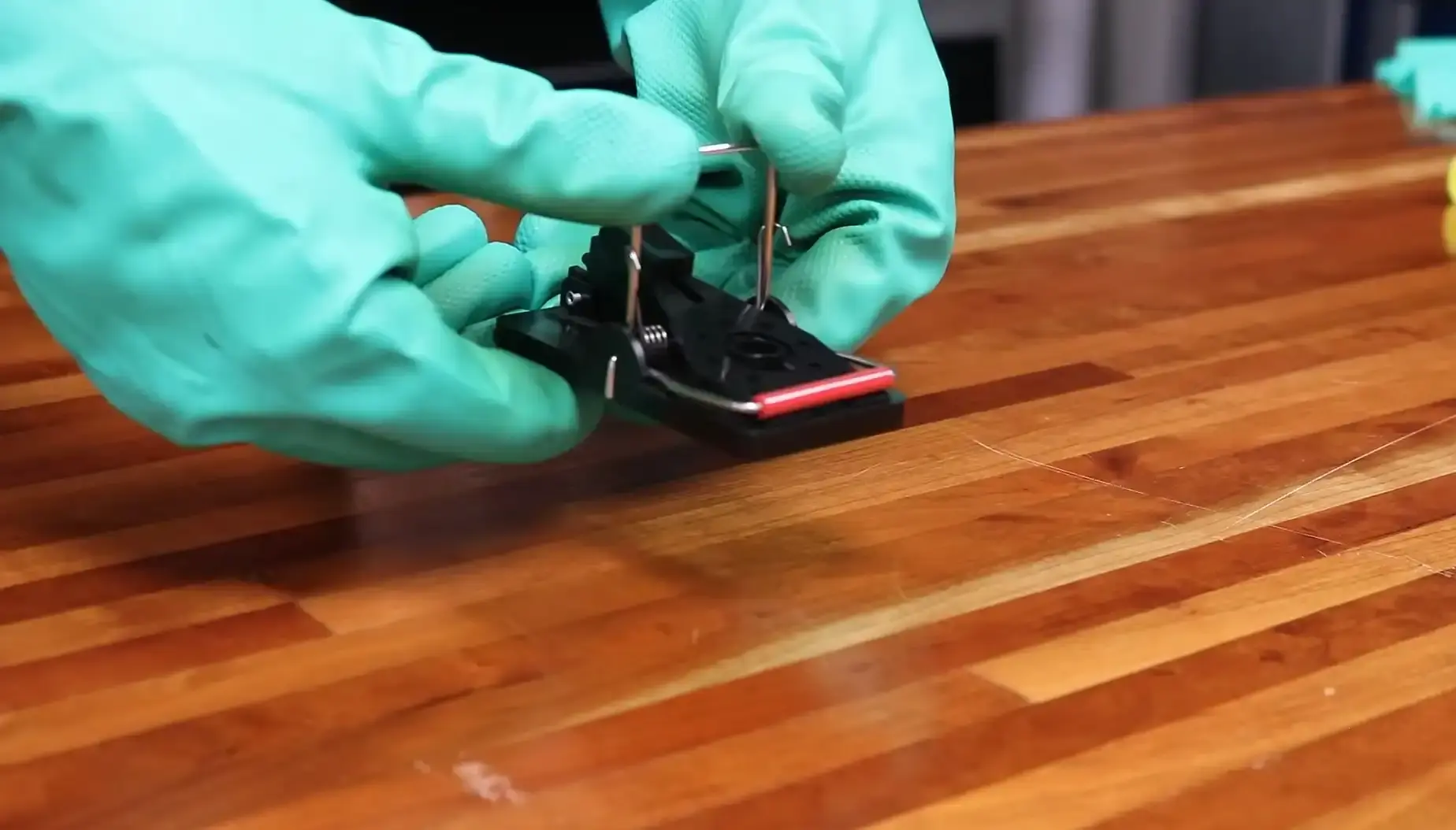
Our attic rodent removal service handles the whole job. We trap the rats, find where they enter, seal the openings, then clean up and replace damaged insulation if needed. See our rat removal page for how trapping works.
Is it safe to go into the attic if I hear rats?
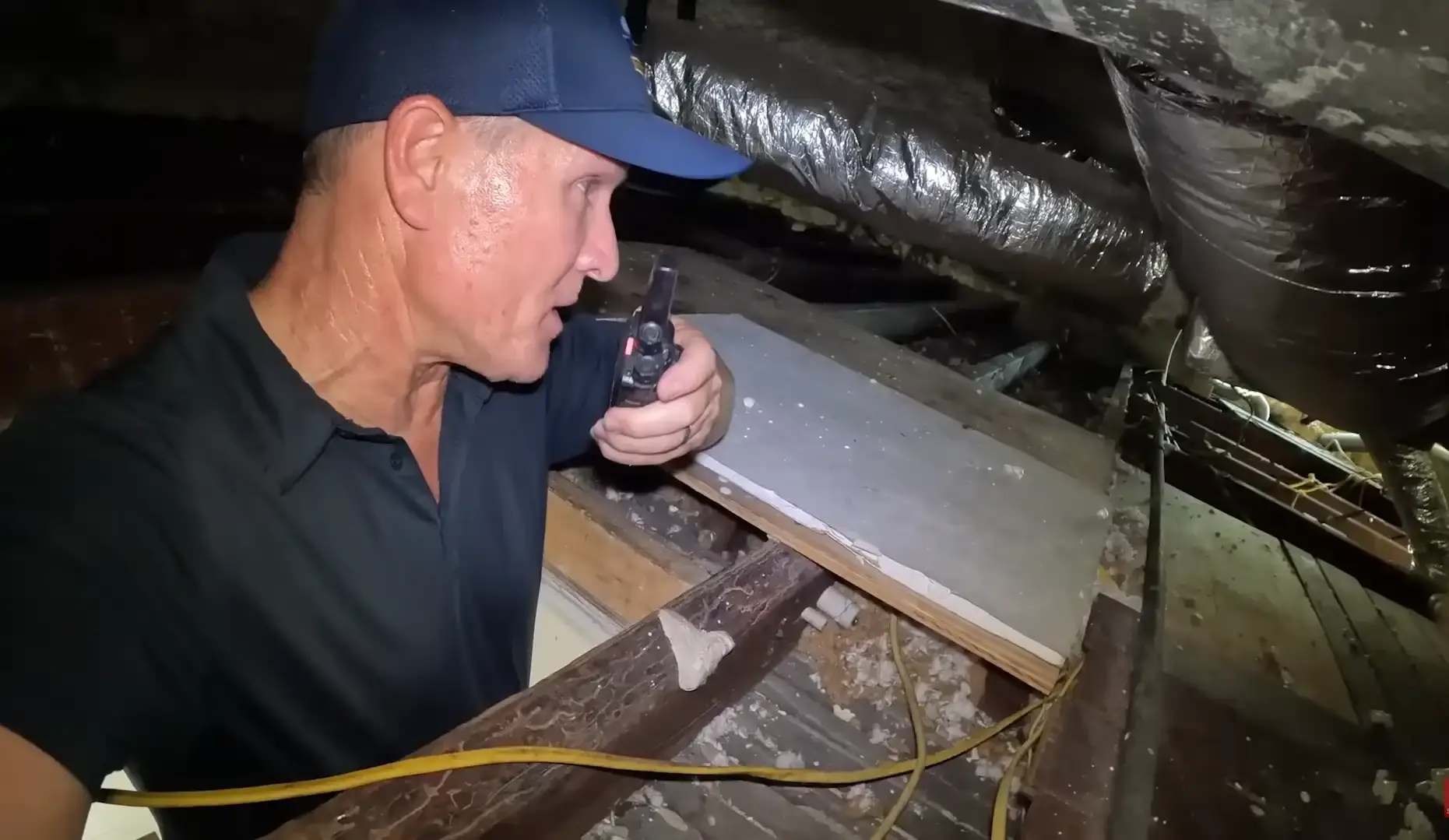
It is best to stay out until it is checked. Droppings and nesting material can carry germs, and loose wires can be a fire risk. Stepping between joists can also damage the ceiling below. Let a pro look first and send you photos.
How long do rats stay in an attic?
They stay until food, shelter or the entry route is removed. Rats do not leave on their own when the attic is warm and quiet. Trapping alone removes today's rats. Sealing stops tomorrow's rats from moving in.
Santa Barbara rodent control
Mice Control Mission Canyon: Small Gaps, Big Problems
Mice control in Mission Canyon is a year-round job, but fall is the busiest season. When nights cool down, field mice and house mice come inside to nest. Stone foundations, older wood siding and gaps around pipes make it easy for them. They often settle in kitchens, pantries, garages and crawl spaces.
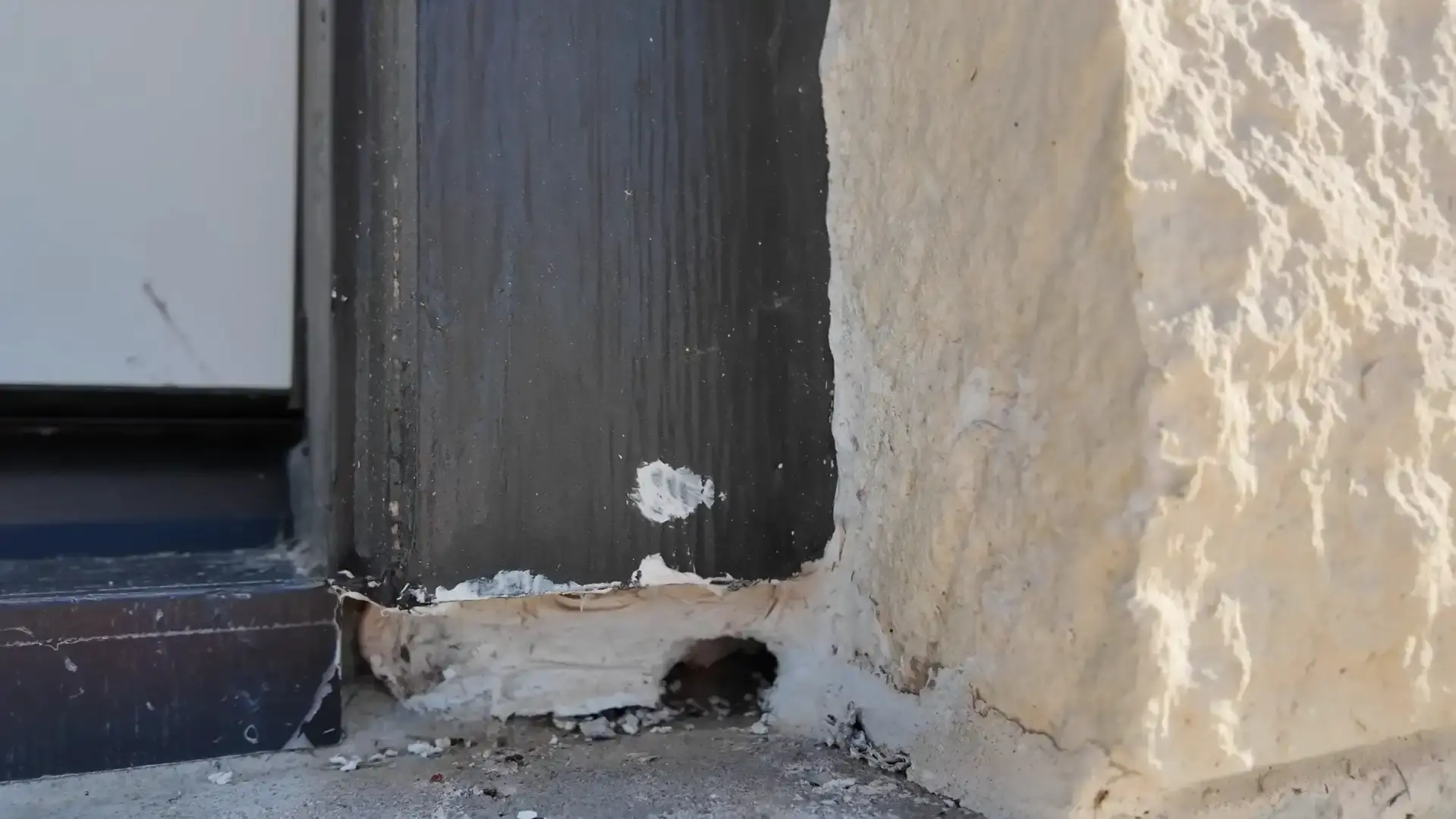
Mice can squeeze through a hole the size of a dime. They leave small droppings, shredded paper and chewed food boxes. They can also bring in fleas and mites.
Why are mice in my kitchen if my house is clean?
Cleanliness helps, but gaps are what let them in. Mice only need a small opening and a bit of food, like pet kibble or crumbs. A spotless kitchen can still have a mouse if there is a gap behind the stove or under the sink. Sealing is the real fix.
What is the best way to stop mice from coming back?
Seal every gap, store food in hard containers, and trim plants near the house. Traps remove mice already inside. Door sweeps, metal mesh and sealed pipes block new ones. A follow-up visit confirms nothing new has gotten in.
Santa Barbara rodent control
Roof Rat Foothill Home Santa Barbara Owners Face: Creeks, Brush and Fire Season
A roof rat in a foothill home in Santa Barbara has more help than one in town. Mission Creek, the Botanic Garden grounds, Rocky Nook Park and the open land toward Rattlesnake Canyon and Los Padres National Forest all offer cover. Rats and mice move along these green corridors and into yards.
Fire safety adds a twist. Many Mission Canyon owners clear brush and trim trees to keep a defensible space around the home. Fire rules vary by agency and zone; the City of Santa Barbara, for example, requires 100 to 150 feet in its foothill zones. Clearing helps with fire. It also helps with rats, because less cover close to the house means fewer places to hide and fewer bridges to the roof.
The 2009 Jesusita Fire burned through Mission Canyon, which is one reason owners here pay close attention to brush.
Do woodrats live in Mission Canyon?
Yes, dusky-footed woodrats live in oak and brush areas of the foothills. They build large stick nests in trees and shrubs and may nest near sheds or decks. They are native, and dusky-footed woodrats range along the California coast. Nests near your home can bring chewing damage and parasites close to the house.
Should I trim brush if I have rats?
Yes, but do it safely and keep fire rules in mind. Trim branches back from the roof and cut dense growth near walls. Keep woodpiles away from the house. Follow local fire and tree rules, and use a pro for large oaks.
Santa Barbara rodent control
Wildlife in the Attic, Mission Canyon: What We Handle and What We Do Not
Noises in an attic are not always rats. Foothill homes get raccoons, squirrels, opossums and birds too. We are a rodent-only company. Our technicians treat rats, mice and squirrels, and we will tell you honestly if the sound you hear is something else.
Our squirrel removal service covers the daytime scratching you may hear in the morning. Larger animals like raccoons and opossums need a wildlife specialist, and we will point you to the right type of help.
How can I tell if it is a rat, a squirrel or something bigger?
Check the time of the noise. Rats and mice are loudest at night. Squirrels are active in the day, often at sunrise and sunset. Heavy thumping or loud thuds point to a larger animal. Photos of droppings and entry holes help us decide.
Sealing
Rodent Exclusion Mission Canyon: Sealing Older Foothill Homes
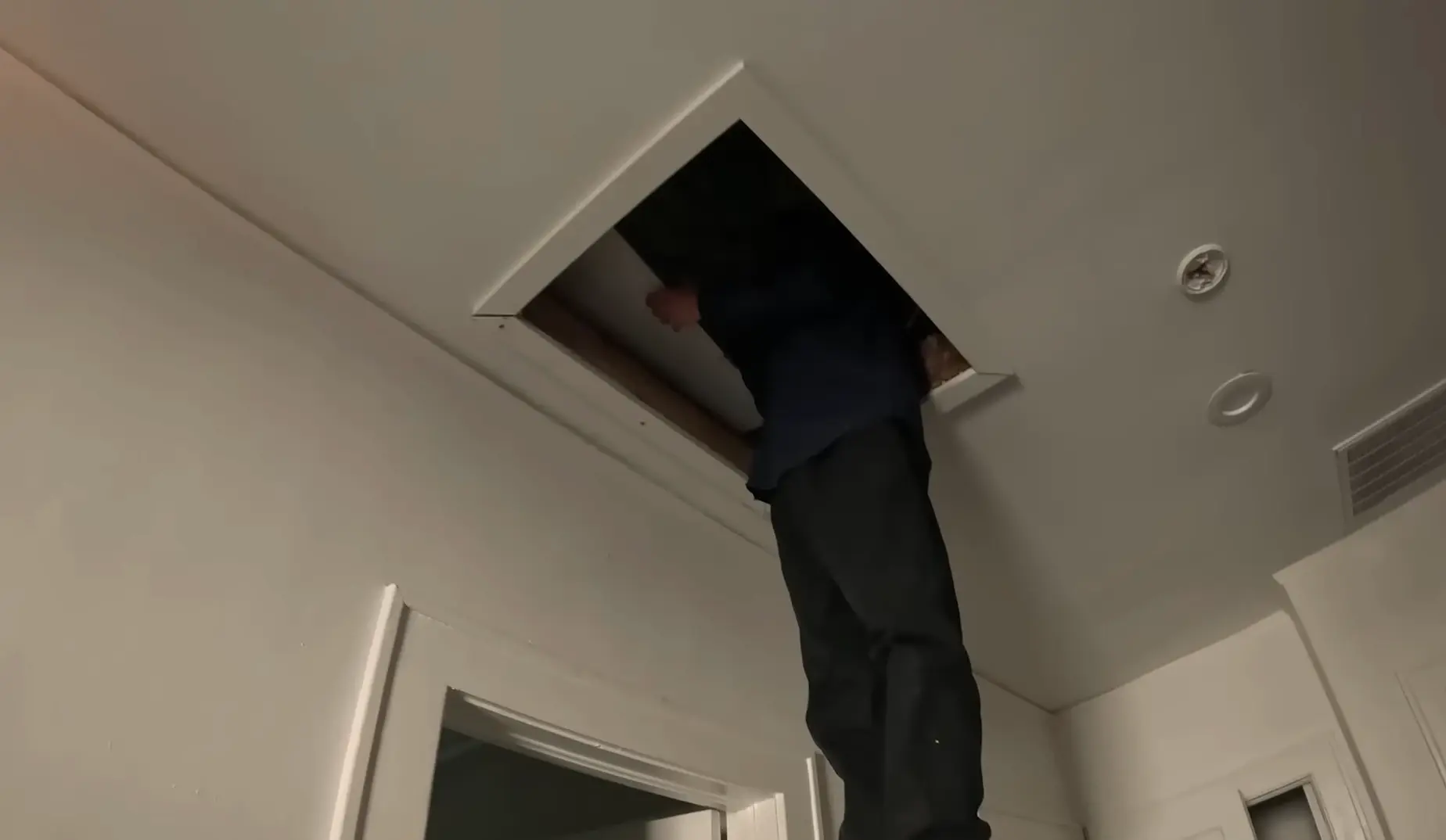
Rodent exclusion in Mission Canyon means sealing the gaps that older and hillside homes tend to have. Many houses here have raised foundations, wood siding, crawl space vents and rooflines with many angles. Each one can hide a gap.
Steep lots make some spots hard to reach. We bring ladders and gear for hillside work and check every level, from the crawl space to the roof ridge. Full details are on our rodent exclusion and proofing page.
The crew usually seals:
- Crawl space vents and foundation gaps
- Roof edges, vents and chimney caps
- Gaps around pipes, wires and gas lines
- Gaps where decks and stairs meet the wall
- Garage and shed doors
Can rodents get in through a crawl space?
Yes, crawl spaces are a common entry point. Broken vent screens, gaps at the foundation and torn insulation let rodents in. From there they can reach the walls and attic. We check and seal the crawl space as part of exclusion work.
What we do here
Rodent Control Services in Mission Canyon
Foothill homes near creeks and brush are the focus of these four services.
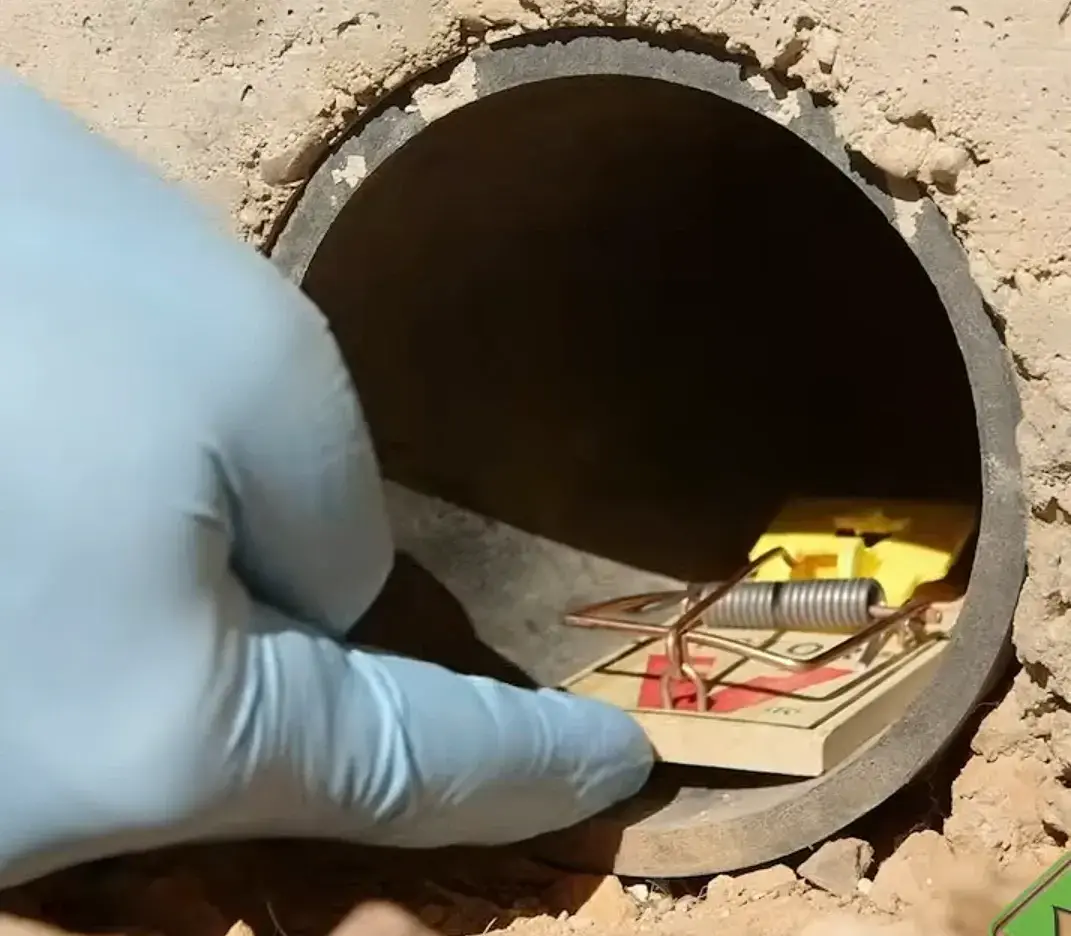
Rat Removal
Brush and creek corridors bring roof rats up to older rooflines.
View this service →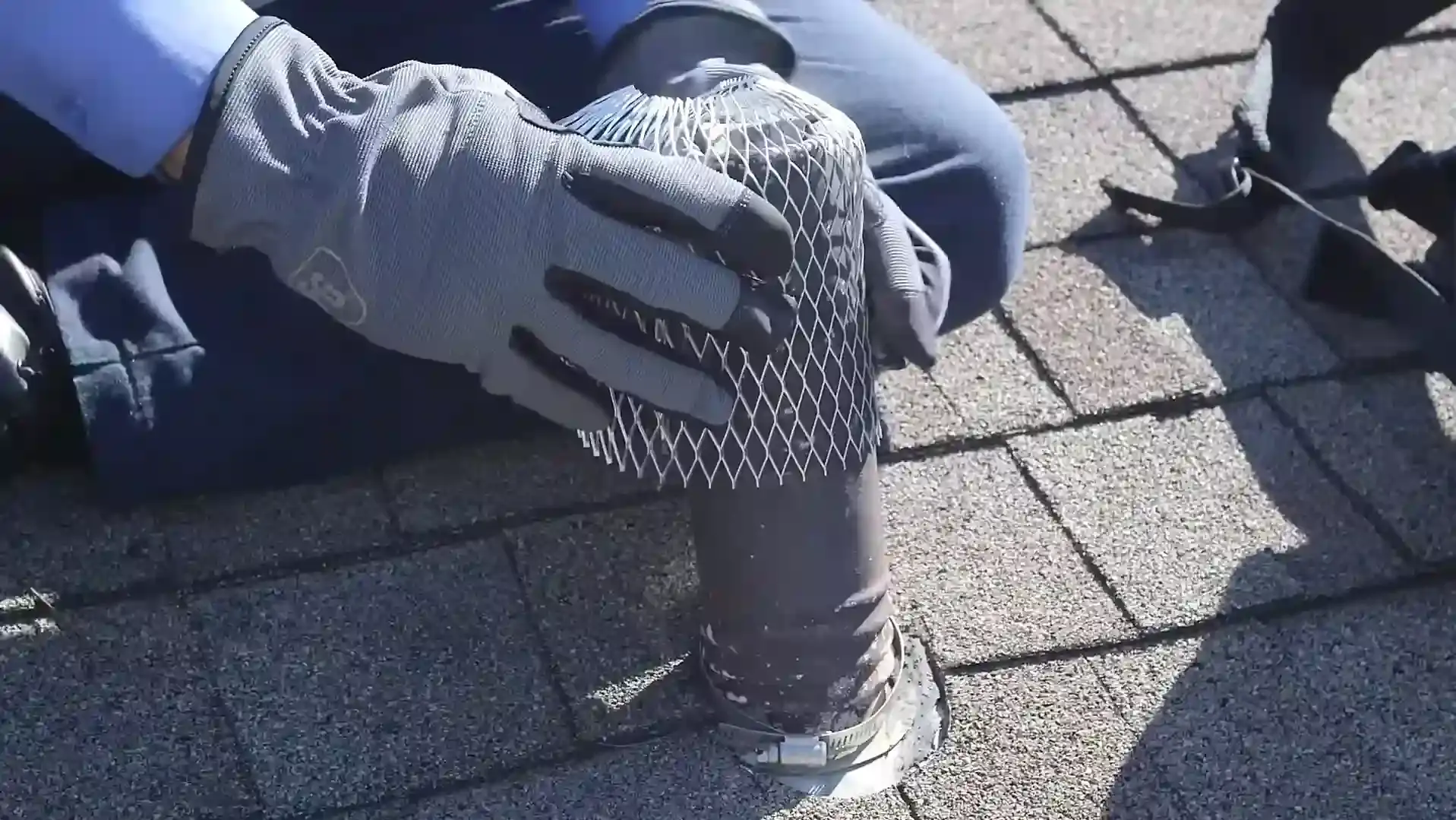
Squirrel Removal
Tree squirrels and other wildlife in the attic are handled with the right method for each animal.
View this service →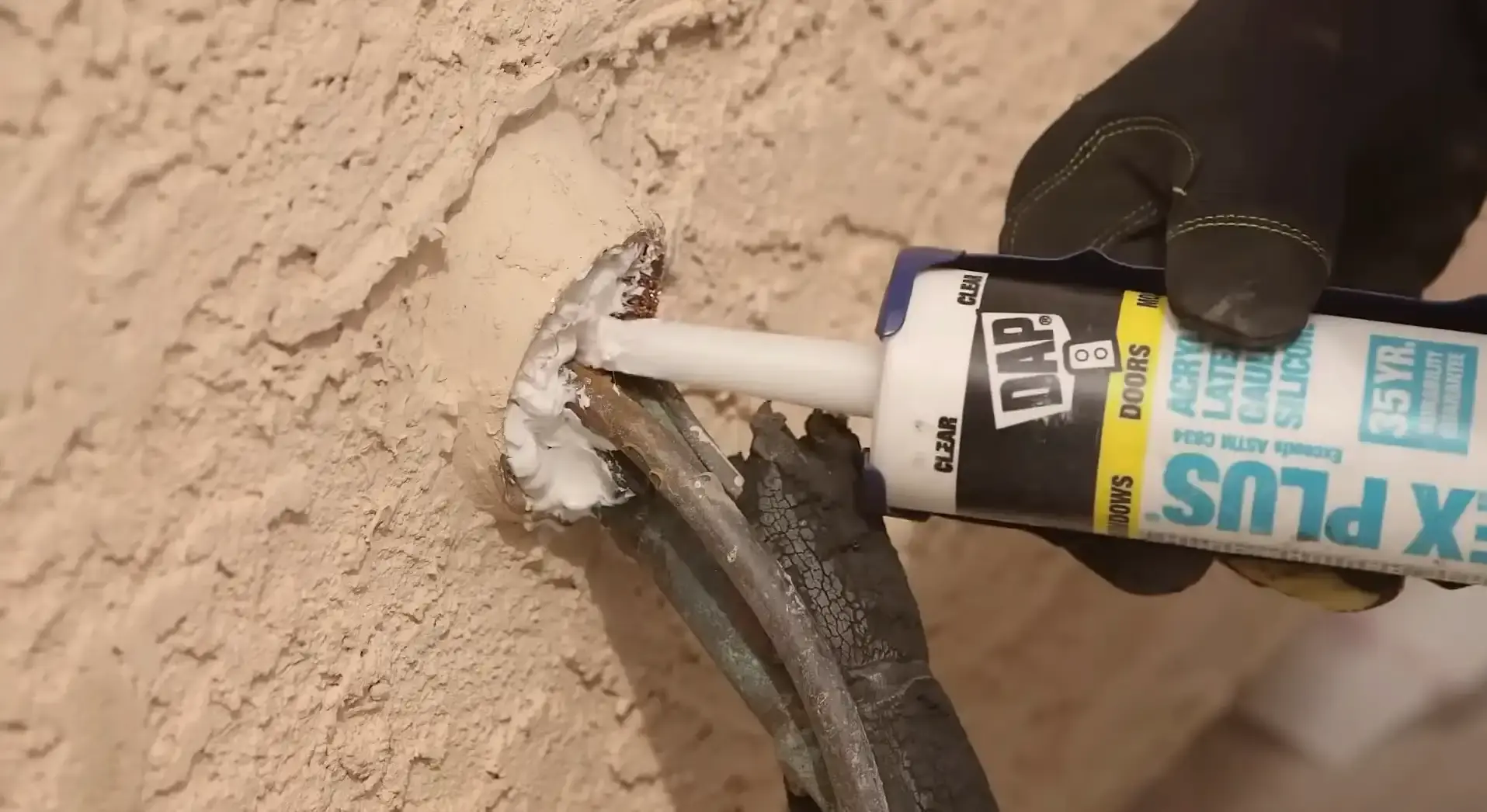
Rodent Exclusion & Proofing
Stone, wood and older trim need hand-fitted metal rather than a universal kit.
View this service →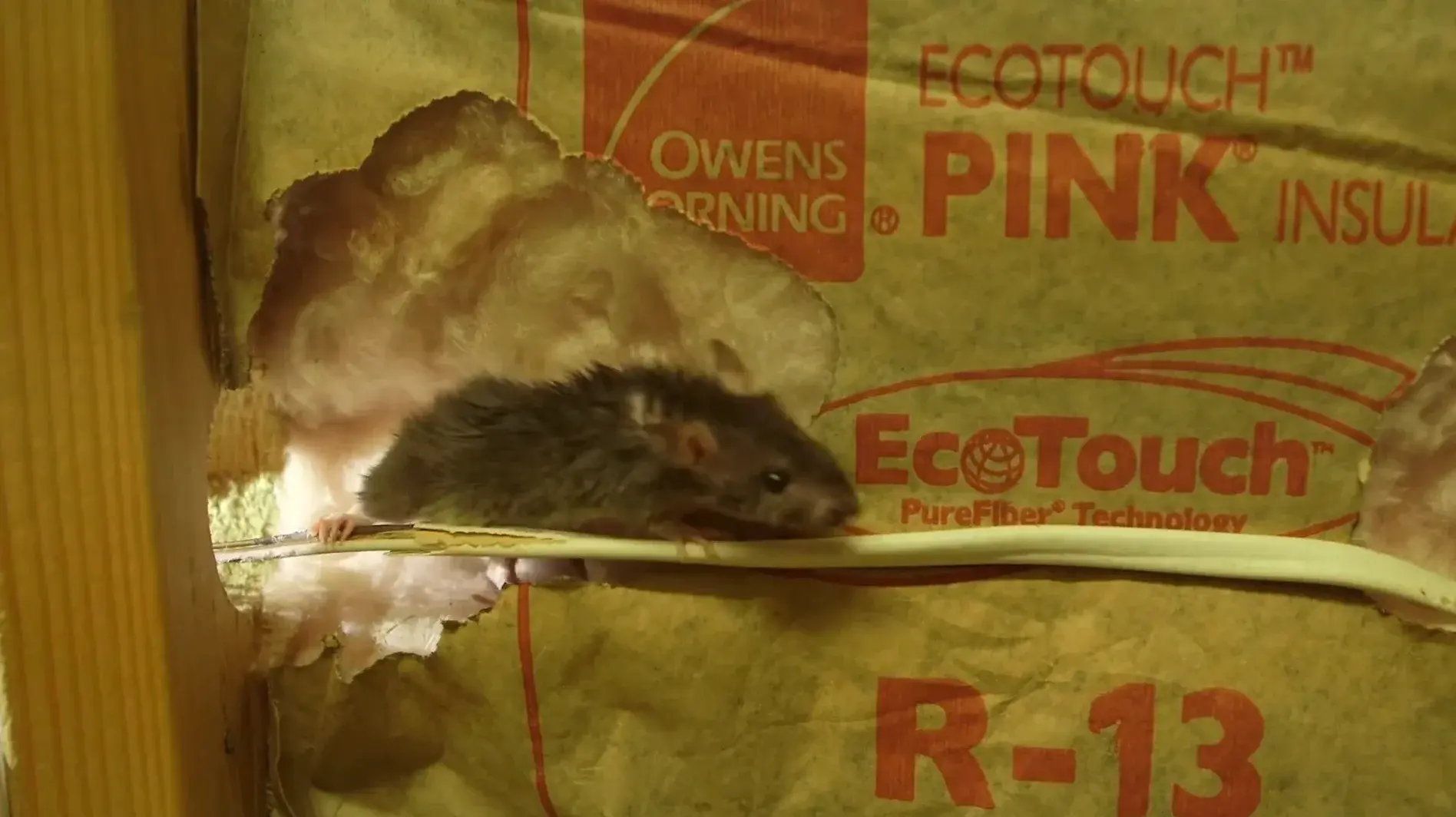
Attic Rodent Removal
Older attics here often have gaps at vents and rooflines that rodents find first.
View this service →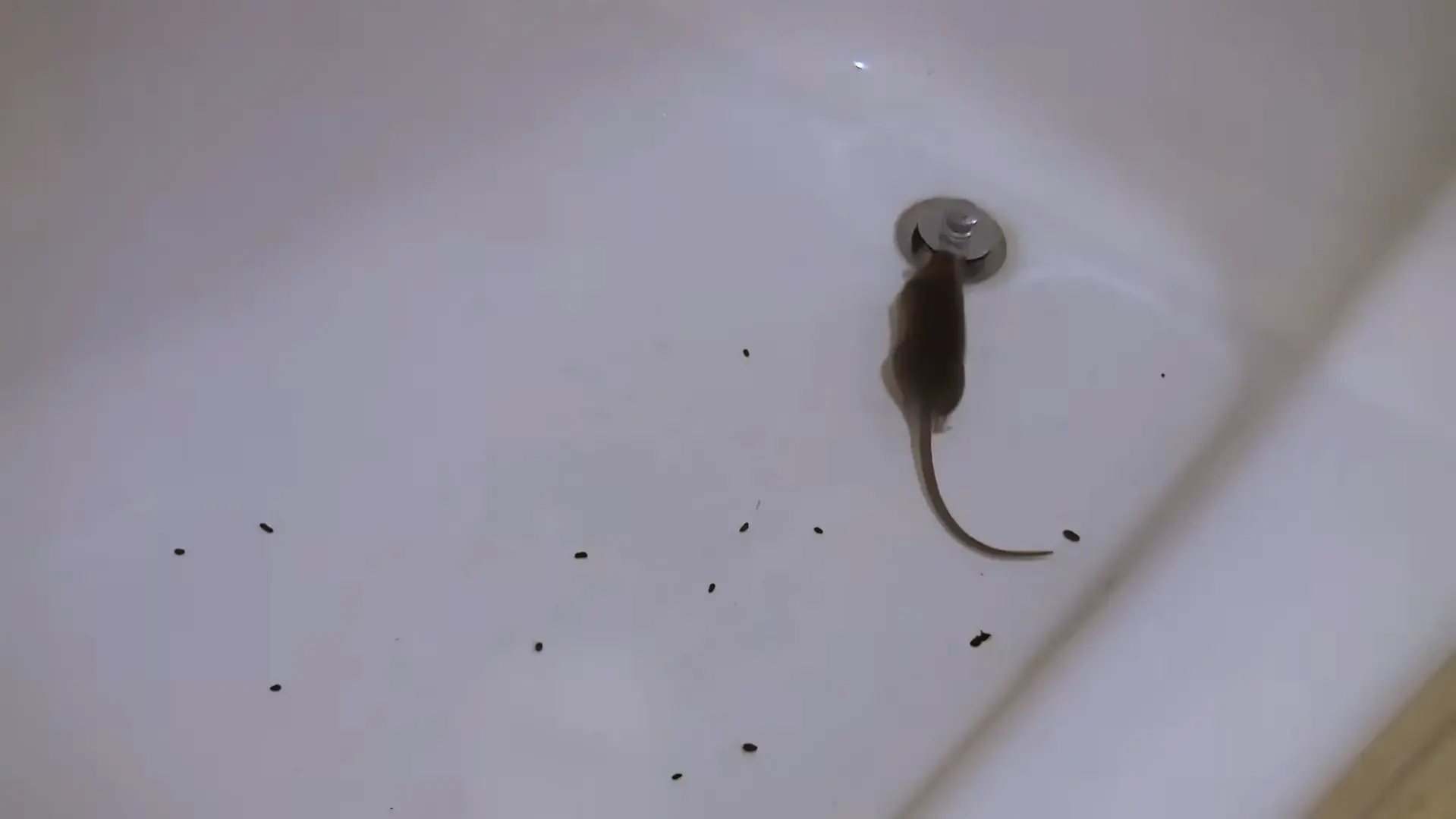
Mice Control
Trapping and sealing for house mice and deer mice.
View this service →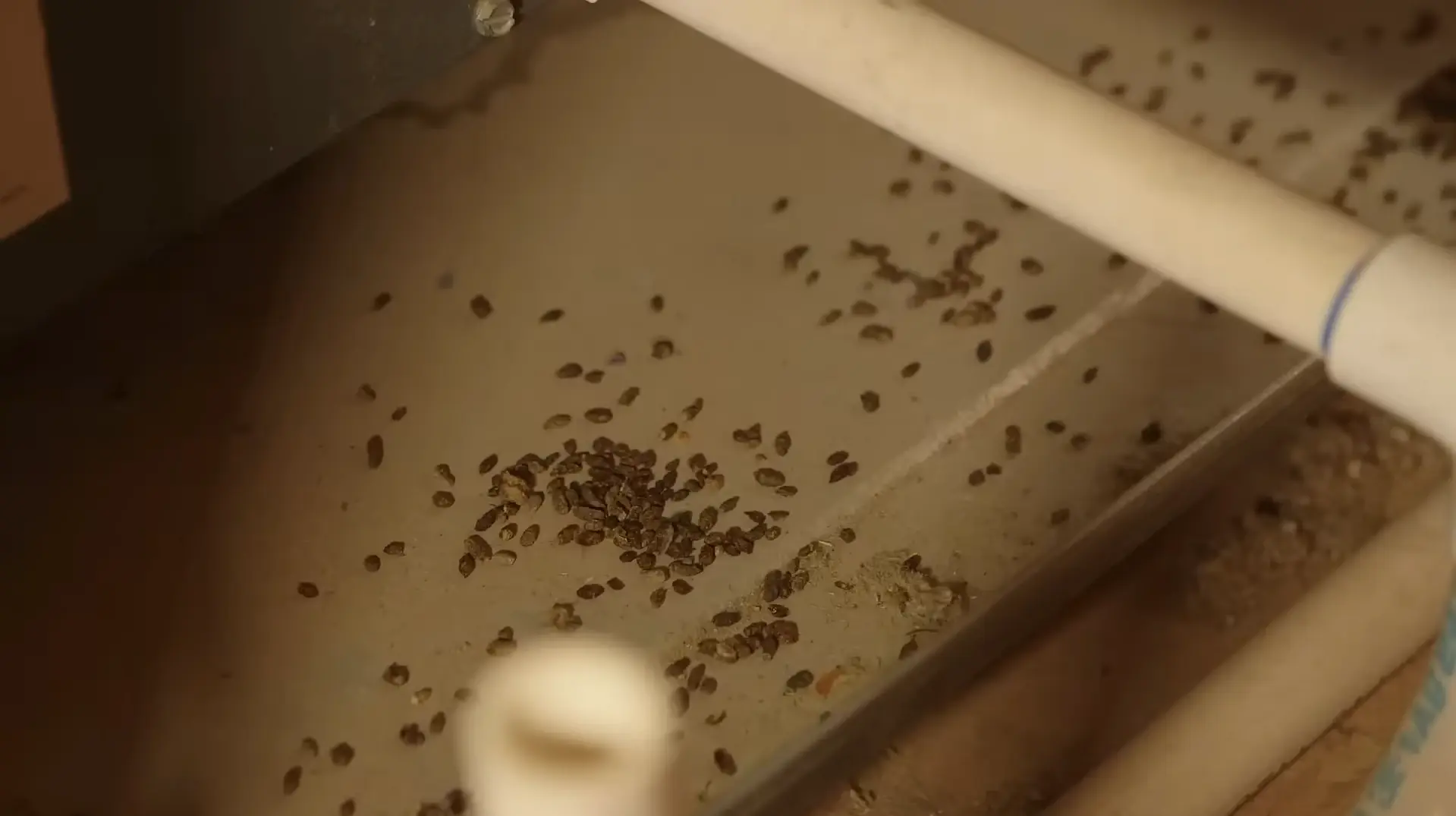
Cleanup & Insulation
Safe droppings cleanup and insulation replacement.
View this service →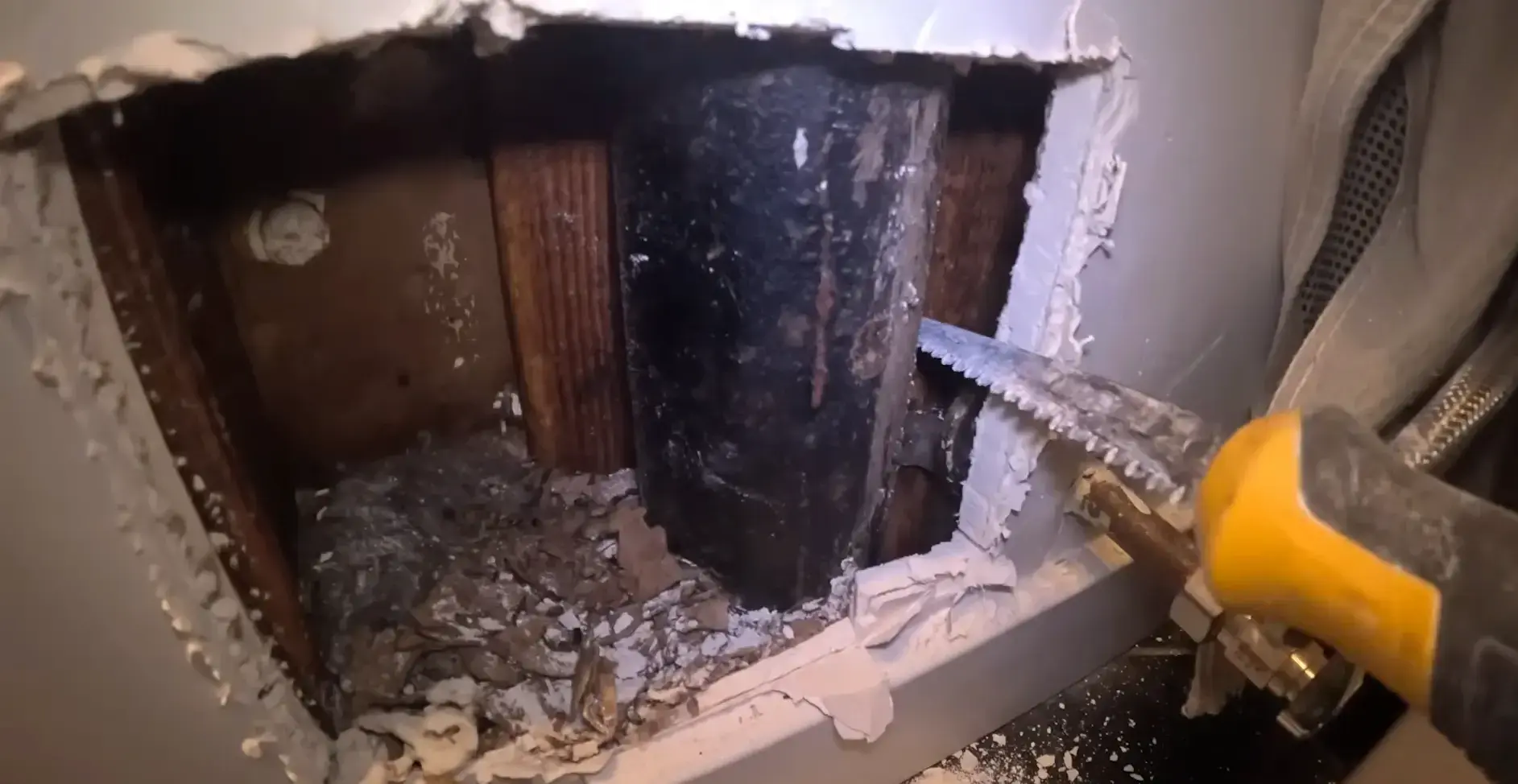
Dead Rat Smell Removal
We find and remove the source of a rotten smell.
View this service →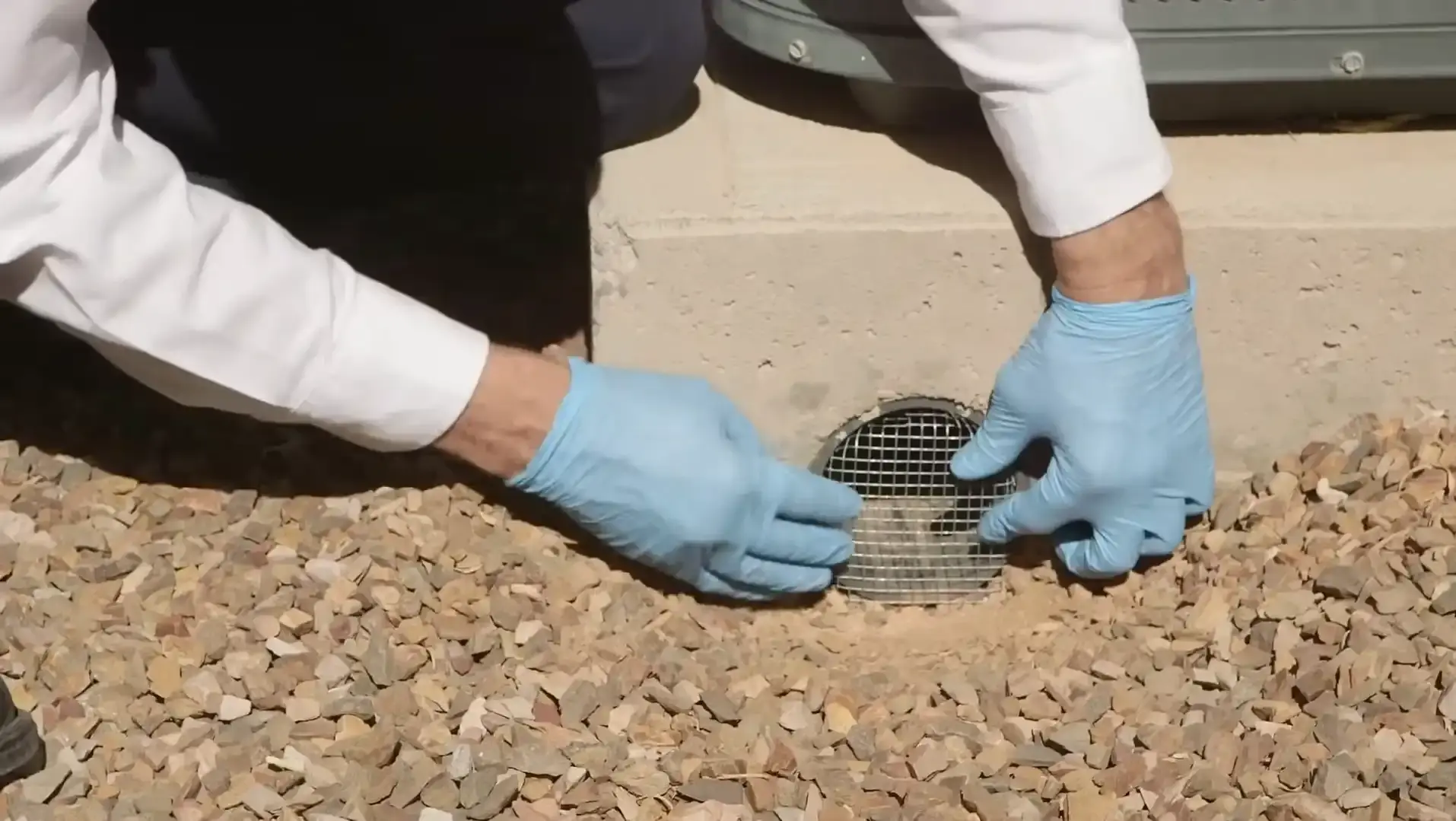
Crawl Space Control
Rodents out from under the floor, with vents and gaps sealed.
View this service →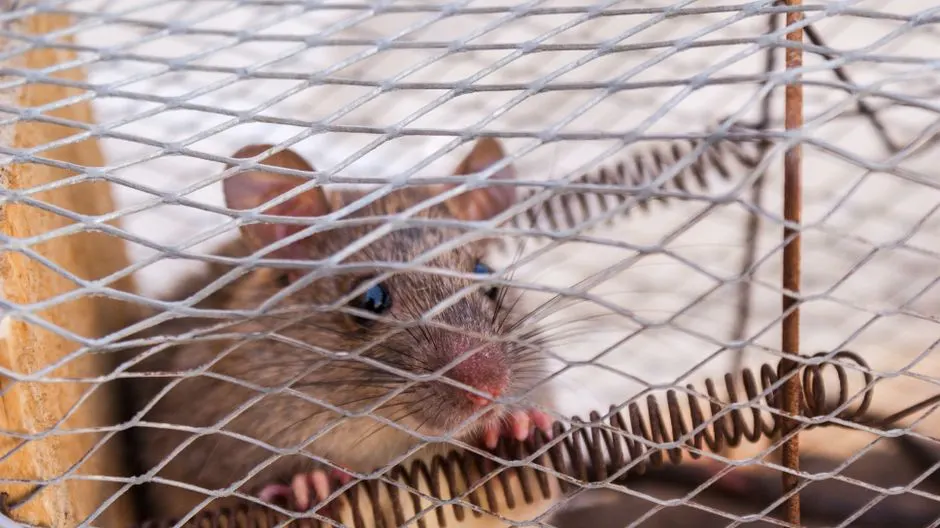
Commercial Control
Discreet control for restaurants, shops, hotels and offices.
View this service →
Airbnb & Vacation Rentals
Fast response and reports for vacation rental hosts.
View this service →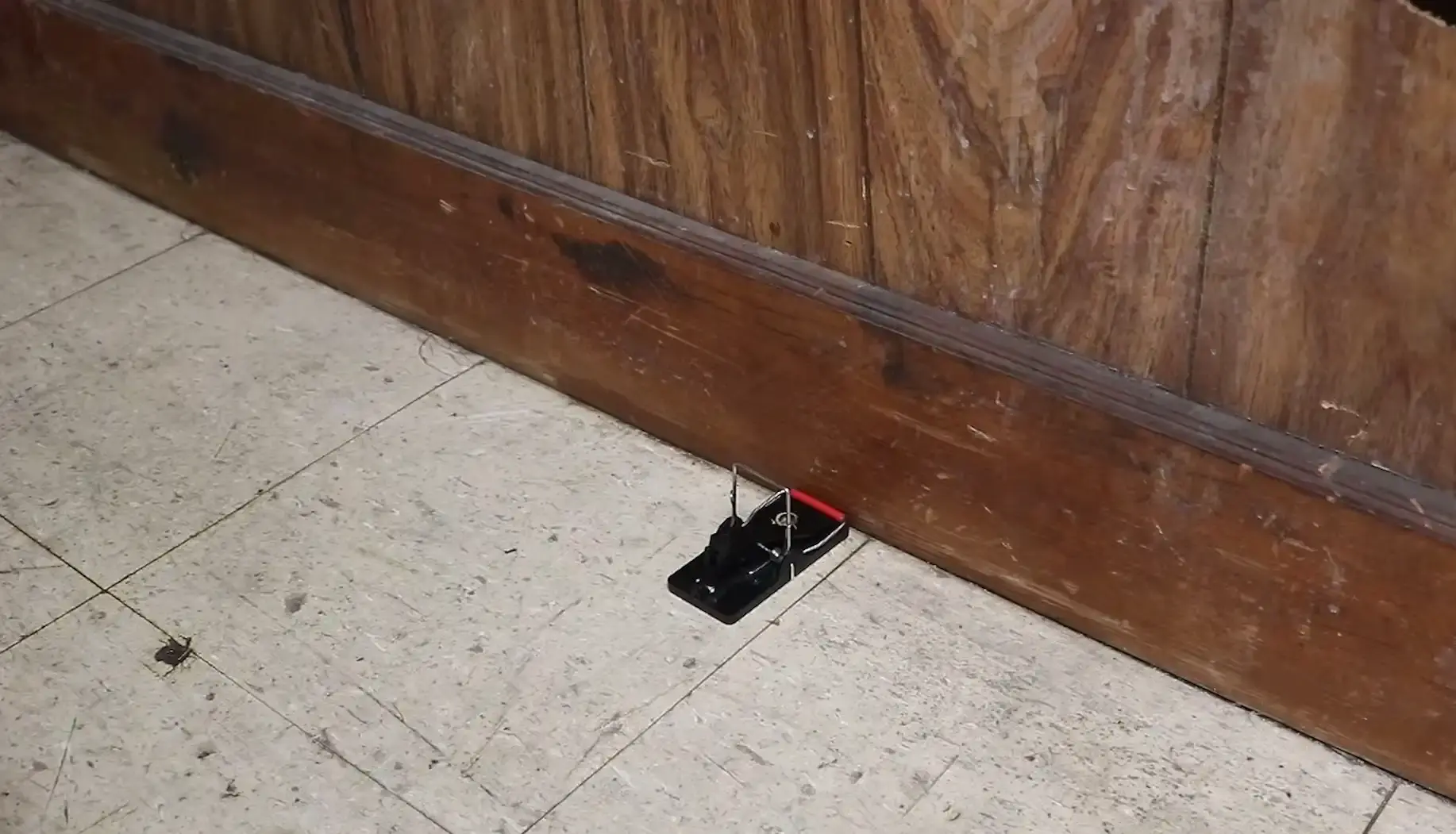
Vacant & Second Homes
Checks and sealing for empty and second homes.
View this service →
Property Managers & HOAs
Building-wide control for landlords and HOAs.
View this service →How we work
How We Work in Mission Canyon
Every job in Mission Canyon follows the same steps, from the first inspection to a final check. Here is what happens and in what order.
Inspect
We check trees and ivy that touch the roof on steep, narrow lots, plus the roofline, vents and utility lines. You get photos of every entry point.
Trap
Traps go where rodents travel, along attic beams and roof edges. Our technicians check them and reset them until it is quiet. We use traps rather than loose poison, so no rodent dies in a wall where it cannot be reached.
Seal
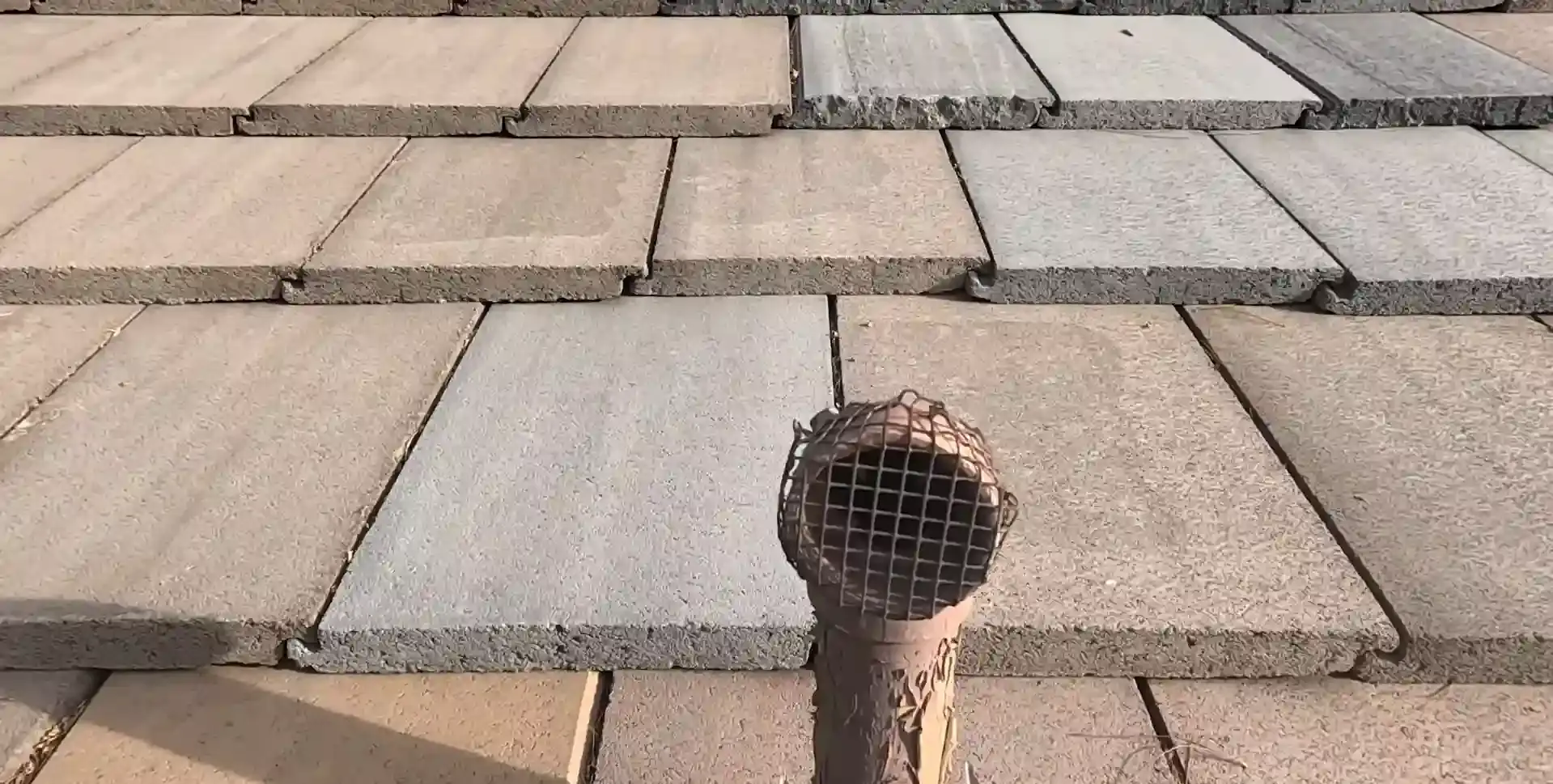
Every gap is closed with metal, including eaves, vents and the spots where branches reach the roof. Our technicians use steel mesh, sheet metal and mortar instead of foam or caulk, because rodents chew through those. We photograph each sealed spot so you can see the work.
Clean up and check back
Our technicians remove droppings and nests, then return to confirm there is no new activity. Our crew uses wet methods and protective gear so no dust is stirred up, and the follow-up visit checks that the traps stay quiet and the seals are holding.
Why choose us
Why Choose Us for Rodent Control in Mission Canyon
Here is how our approach compares with a typical quick fix on the points that matter most in Mission Canyon.
| What matters | Common shortcut | How we do it |
|---|---|---|
| Local knowledge | One routine for every home | We know Mission Canyon: we look at trees and ivy that touch the roof on steep, narrow lots |
| Sealing | Traps only, with the gaps left open | Every gap closed with steel mesh, sheet metal or flashing |
| Proof | "We took a look around" | Photos of every entry point and every sign of activity |
| The quote | A vague price that changes | A written quote before work starts |
| After the job | Done once the traps come out | We come back to confirm it is quiet, and we seal any new gap |
Where we work
Areas We Cover in Mission Canyon
These are the streets and neighborhoods in and around Mission Canyon we serve. If yours is not listed, call and we will tell you whether we can come out.
- We serve Mission Canyon and the streets around it, including Mission Canyon Road, Foothill Road, Tunnel Road and the neighborhoods near Rocky Nook Park, the Santa Barbara Botanic Garden, the Museum of Natural History and the Old Mission.
- Homes just below the canyon, such as the Riviera, are also in our range.
See the Service Areas page for every town we cover.
Questions before we arrive
Frequently Asked Questions About Rodent Control in Mission Canyon
Do you work on steep or hard-to-reach homes?
Yes, we work on hillside homes and tight lots. Tell us about steep driveways, narrow roads or gated access when you call. We plan the visit around it.
Why do I hear scratching only at night?
Rats and mice are nocturnal. They sleep during the day and move around after dark. Night noise in the attic or walls is a classic sign. Squirrels make noise during the day.
Will rats come back after I clear brush?
They can, if the roof is still easy to reach and gaps are open. Clearing brush cuts down cover, but sealing the home is what stops entry. Both steps work best together.
Is it safe to use poison near the canyon?
We prefer traps and sealing near wild areas. Poisoned rats can be eaten by owls, hawks, coyotes and pets. Locked bait stations are used only when needed.
How soon can you inspect my home?
We aim to come within a day or two for most calls. Active rats and dead animal smells go first.
How much does rodent control cost in Mission Canyon?
It depends on the roof, the number of gaps, the size of the problem and how much cleanup you need. We give you a written quote after the inspection, and you see the full price before any work starts. Trapping-only visits cost less but often bring the rodents back.
Find us
Call or Visit Us
We serve Mission Canyon from our Santa Barbara office. Call us about what you see, hear or smell, or send a photo.
- Address: 716 N Milpas St, Santa Barbara, CA 93103
- Phone: (805) 429-3801 (call)
- Hours: Monday to Saturday, 8:00 AM to 6:00 PM
Rodent Shield Santa Barbara716 N Milpas St, Santa Barbara, CA 93103Open in Google MapsGet directions
Rodent trouble in Mission Canyon?
Send us a look at what you are seeing in Mission Canyon
Rodent clues vary by home and neighborhood. Photos help us bring the right plan and tools to your door.
- 1Droppings or chewing
A close-up with a coin beside it.
- 2The spot you hear it
A wide shot of the attic, wall or crawl space.
- 3Your roofline
Eaves, vents and trees or palms touching the roof.
- 4Fruit, trash and storage
Fallen fruit, open bins or pet food outside.
- 5Your address in Mission Canyon
Street or nearby cross street so we can plan the visit.
Ready when you are
Ready for Rodent Control in Mission Canyon?
If you hear scratching above the ceiling, find droppings in the garage or smell something in the walls, call us. Our rodent control in Mission Canyon removes the animals, seals the gaps and keeps your foothill home quiet. Call for an Inspection.
- Call us(805) 429-3801
- Emailrodentshieldsantabarbara@gmail.com
- Office716 N Milpas St, Santa Barbara, CA 93103
- HoursMonday to Saturday, 8:00 AM to 6:00 PM